
- 1- Understanding Sleeping Bag Types
- 2- How Temperature Ratings Affect Your Choice
- 3- Choosing the Right Insulation Material
- 4- Finding the Perfect Fit and Size
- 5- Practical Tips for Cabin Trip Comfort
- 6- Our Recommendation: Find the Best Sleeping Bags at Camping Cabins
1. Understanding Sleeping Bag Types
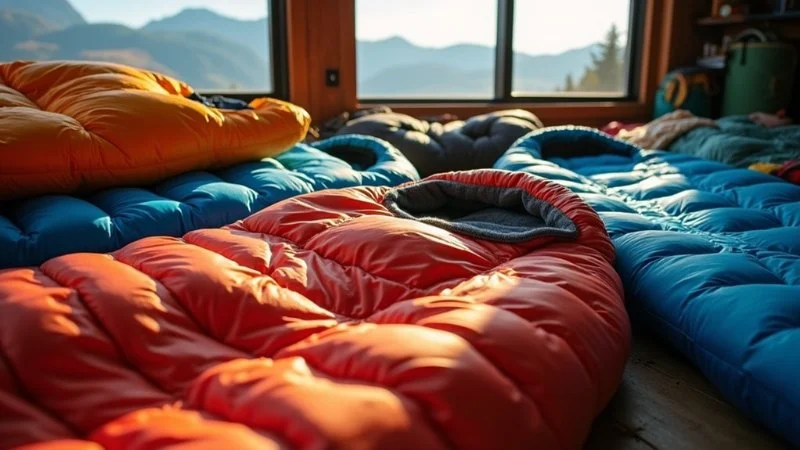
When preparing for a cabin trip, choosing the right sleeping bag is essential for ensuring comfort and warmth. Sleeping bags come in various types, each designed for specific conditions. Understanding these types can help you make an informed decision based on your trip’s needs and the cabin’s environment.

1.1- Mummy Sleeping Bags
Mummy sleeping bags are designed to offer the best warmth-to-weight ratio. They are tightly fitted and designed to minimize air pockets, making them ideal for colder conditions. While they may feel snug, they provide excellent insulation for colder cabin environments.

Deluxe Cabin 306
East Greenwich TownshipGloucester CountyNew Jersey
111 Timberlane Rd, Clarksboro, NJ 08020, USA
1.2- Rectangular Sleeping Bags
Rectangular sleeping bags provide more room to move and are better suited for warmer conditions. They are spacious and comfortable, though they might not retain as much heat as mummy bags. If your cabin trip is in a mild climate, a rectangular sleeping bag could be your best option.
1.3- Semi-Rectangular Sleeping Bags
A hybrid between mummy and rectangular bags, semi-rectangular sleeping bags offer a balance of space and warmth. They are slightly more fitted than rectangular bags but provide more room than mummy bags. These are a good option for moderate temperatures and those who prefer a little extra space while sleeping.
2. How Temperature Ratings Affect Your Choice
Choosing a sleeping bag with the right temperature rating is crucial for ensuring comfort and warmth during your cabin trip. Each sleeping bag comes with a temperature rating that indicates the lowest temperature it is designed to handle. Here’s how to choose based on this factor:
2.1- Understanding Temperature Ratings
Sleeping bag temperature ratings generally range from 30°F to 20°F and even lower, depending on the bag’s insulation. A bag rated for 30°F will keep you comfortable at that temperature, but it may feel cold if the temperature dips lower. For cabin trips in colder climates, aim for a sleeping bag with a lower temperature rating, such as one rated for 20°F or 15°F.
2.2- Seasonality and Weather Conditions
Consider the climate of your cabin trip. If you're traveling in the fall or winter, a sleeping bag with a lower temperature rating is recommended. In warmer seasons, a higher rating or a lighter sleeping bag will ensure comfort without overheating. Always check the forecast to choose a sleeping bag that will be appropriate for the expected temperatures.
2.3- Temperature Rating Adjustments
If you tend to sleep cold, you may want to opt for a sleeping bag rated for a few degrees colder than the expected weather to ensure you stay warm throughout the night. Conversely, if you tend to sleep hot, a higher temperature rating may be more appropriate, especially if your cabin trip is in a warmer location.
3. Choosing the Right Insulation Material
Insulation plays a significant role in the effectiveness of your sleeping bag. The two most common types of insulation are down and synthetic, each with distinct benefits. Here’s what you need to know to make the right choice for your cabin trip:
3.1- Down Insulation
Down insulation is lightweight, compressible, and highly effective at trapping heat, making it an excellent choice for colder trips. It is also breathable and regulates temperature well. However, down can lose its insulating properties if it gets wet, so it’s essential to keep your sleeping bag dry in humid conditions or if you're heading into a cabin with high humidity.
3.2- Synthetic Insulation
Synthetic insulation is more affordable and retains heat even when wet, making it a great option for damp or humid cabin environments. While it tends to be bulkier and heavier than down, it’s durable and easy to maintain. For trips where moisture is a concern, synthetic insulation is a reliable choice.
3.3- Hybrid Insulation
Hybrid insulation combines the best of both down and synthetic materials, offering warmth, moisture resistance, and compressibility. If you want the benefits of both types without the drawbacks, a hybrid sleeping bag may be the right fit for your cabin trip.
4. Finding the Perfect Fit and Size
Choosing the right size and fit for your sleeping bag is essential for comfort. A sleeping bag that’s too small will leave you feeling cramped, while one that’s too large may result in heat loss. Here’s how to ensure you pick the perfect fit:
4.1- Sleeping Bag Length
Most sleeping bags come in different lengths to accommodate various body sizes. A standard sleeping bag is designed to fit individuals up to 6 feet tall, but you may need a longer bag if you are taller. Check the length of the sleeping bag to ensure that it fits you comfortably without leaving too much unused space inside.
4.2- Sleeping Bag Width
The width of the sleeping bag should match your sleeping preferences. If you prefer to move around while sleeping, look for a sleeping bag with extra width, like a rectangular bag. If you like to stay snug, a mummy bag may be a better fit as it will hug your body more closely, conserving heat.
4.3- Additional Features
Look for features like draft collars and hood adjustments, which help retain heat and increase comfort. Some sleeping bags also come with extra compartments for storing small items or built-in pillows, which can enhance your cabin trip experience.
5. Practical Tips for Cabin Trip Comfort
Here are some practical tips to ensure you stay comfortable on your cabin trip:
5.1- Use a Sleeping Pad
Even if your cabin has a mattress, it’s a good idea to bring a sleeping pad. A sleeping pad adds an extra layer of insulation from the cold floor, improving warmth and comfort. It also helps with cushioning if the cabin’s bedding is hard or uneven.
5.2- Choose a Sleeping Bag Liner
If you're worried about cleanliness or need an additional layer of warmth, consider using a sleeping bag liner. These lightweight liners can be added inside your sleeping bag to provide extra insulation and make your sleeping bag easier to clean.
5.3- Stay Organized
When packing for your cabin trip, keep your sleeping bag dry and protected by storing it in a waterproof bag or stuff sack. This will help prevent moisture from affecting the insulation, ensuring you stay warm throughout the night.
6. Our Recommendation: Find the Best Sleeping Bags at Camping Cabins
If you're looking for high-quality sleeping bags for your upcoming cabin trip, visit Camping Cabins. Our curated selection includes the best sleeping bags, from mummy to rectangular designs, with a variety of insulation options to suit any climate. Start your trip on the right foot with the perfect sleeping bag for comfort and warmth!



 Willow camping cabin2.0 (1 reviews)
 Merkle Cabin at Spring Valley4.0 (42 reviews)
 Travel Camp4.0 (187 reviews)
 Country Acres Campground4.0 (577 reviews)
 Island Resort Campground4.0 (190 reviews)
 Gulls Way Campground4.0 (273 reviews)
 Why Winter is the Best Time for a Camping Cabin Getaway
 Best Remote Camping Cabins for Stargazing and Night Adventures in the U.S.
 The 10 Must-Have Amenities for a Comfortable Stay in Your Camping Cabin
 Winter Camping Cabins: How to Stay Cozy and Warm in the Cold
 How to Create the Ultimate Outdoor Experience with a Camping Cabin
 Best Camping Cabins with Stunning Views of National Parks and Forests