
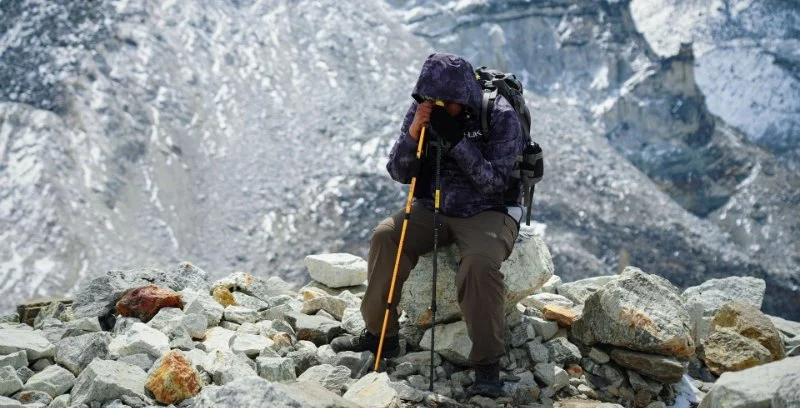
- What is Altitude Sickness?
- Symptoms of Altitude Sickness
- Preventing Altitude Sickness
- Treatment for Altitude Sickness
- When to Seek Medical Attention
What is Altitude Sickness?
Altitude sickness, also known as acute mountain sickness (AMS), occurs when the body struggles to adjust to the lower oxygen levels found at higher elevations. This condition is commonly experienced by hikers, mountaineers, and travelers who rapidly ascend to altitudes over 8,000 feet (2,400 meters). While altitude sickness is often mild and temporary, it can become serious if not managed properly.
Beach Harbor Camper's Co-Op
GrasonvilleQueen Anne's CountyMaryland
111 Beach Harbor Rd Dr, Grasonville, MD 21638, USA
1. Causes of Altitude Sickness
At high altitudes, the air pressure decreases, and there is less oxygen available for the body to use. As a result, the body has to work harder to get the oxygen it needs. If the body is unable to acclimatize to this lower oxygen level quickly enough, symptoms of altitude sickness can develop. Factors such as rapid ascent, exertion, dehydration, and inadequate rest can all increase the risk.
Tunnel Hill Mobile Home Community
LisbonSoutheastern Connecticut Planning RegionConnecticut
15 Tunnel Hill Ct, Lisbon, CT 06351, USA
Symptoms of Altitude Sickness
Altitude sickness can range from mild to severe, with symptoms usually appearing within a few hours to a day after reaching high altitudes. Understanding the symptoms is key to managing the condition early.
1. Mild Symptoms
The most common symptoms of altitude sickness include:
- Headache
- Fatigue
- Dizziness
- Nausea and vomiting
- Shortness of breath during exertion
- Loss of appetite
These symptoms are typically mild and can be managed by allowing the body to rest and acclimate to the altitude. However, it’s important to monitor the symptoms closely, as they can worsen.
2. Severe Symptoms
If left untreated, altitude sickness can progress to more serious conditions, such as high-altitude pulmonary edema (HAPE) or high-altitude cerebral edema (HACE). Severe symptoms include:
- Severe headache
- Extreme shortness of breath
- Confusion or difficulty walking
- Blue or pale skin
- Loss of consciousness
If you or someone you are with experiences severe symptoms, it is critical to descend to a lower altitude and seek immediate medical attention.
Preventing Altitude Sickness
While altitude sickness can occur even with the best preparation, there are several strategies to reduce the risk and prevent it from affecting your hiking experience.
1. Ascend Gradually
One of the best ways to avoid altitude sickness is to ascend slowly. This allows your body time to adjust to the changing oxygen levels. Ideally, you should ascend no more than 1,000 feet (300 meters) per day once you’re above 8,000 feet. If possible, take rest days at higher altitudes to allow your body to acclimatize.
2. Stay Hydrated
Dehydration can exacerbate the symptoms of altitude sickness. Make sure to drink plenty of water while hiking, even if you don’t feel thirsty. Avoid alcohol and caffeine, as they can lead to dehydration.
3. Eat Well
Consuming a balanced diet that includes high-energy foods like complex carbohydrates and lean proteins will provide the necessary fuel for your body to cope with altitude. Eating regularly will also help maintain your strength and stamina during your hike.
4. Avoid Overexertion
Take it easy and avoid pushing yourself too hard, especially in the first few days at higher altitudes. Pace yourself and listen to your body’s signals to avoid unnecessary stress on your system.
5. Consider Medications
Some hikers use medications like acetazolamide (Diamox) to help prevent altitude sickness. It’s important to consult with a doctor before taking any medications, as they may have side effects or interact with other conditions.
Treatment for Altitude Sickness
If you begin experiencing symptoms of altitude sickness, it’s important to take immediate action. Here are some effective treatments for managing mild altitude sickness:
1. Rest and Hydration
If you notice early symptoms, the best course of action is to stop ascending, rest, and drink plenty of fluids. This will help your body recover and adjust to the higher altitude. Avoid exerting yourself and take the time to allow your body to acclimatize.
2. Descend to a Lower Altitude
If symptoms persist or worsen, the most effective treatment is to descend to a lower altitude. Going down to a lower elevation can help alleviate symptoms quickly and is the most reliable way to treat more severe cases of altitude sickness.
3. Oxygen Therapy
If available, oxygen therapy can help increase the oxygen levels in your blood and relieve symptoms. This can be particularly helpful if you’re at a high altitude and cannot descend immediately.
When to Seek Medical Attention
If symptoms become severe, such as confusion, difficulty breathing, or loss of consciousness, immediate medical attention is required. Don’t hesitate to seek professional help if you or someone in your group experiences these signs of a serious altitude-related condition like HAPE or HACE.
1. Signs of Serious Conditions
- Severe difficulty breathing or chest pain
- Loss of coordination or mental confusion
- Inability to walk or stand
- Severe headache that does not improve with medication
In these cases, descend immediately and seek emergency medical help.
In conclusion, altitude sickness is a common concern for hikers and adventurers at high altitudes. By understanding the symptoms, taking preventive measures, and knowing how to treat the condition, you can enjoy a safer, more comfortable hiking experience. For more information on hiking gear and services to support your journey, visit Camping Cabins for helpful tips and recommendations.

 Country Club Estates3.0 (2 reviews)
 Homestead Campground4.0 (294 reviews)
 Bel Air Park4.0 (8 reviews)
 Sunny Waters Mobile Home Park3.0 (61 reviews)
 Cedar Springs4.0 (8 reviews)
 Jellystone Park™ Quarryville4.0 (1879 reviews)
 Why Winter is the Best Time for a Camping Cabin Getaway
 Best Remote Camping Cabins for Stargazing and Night Adventures in the U.S.
 The 10 Must-Have Amenities for a Comfortable Stay in Your Camping Cabin
 Winter Camping Cabins: How to Stay Cozy and Warm in the Cold
 How to Create the Ultimate Outdoor Experience with a Camping Cabin
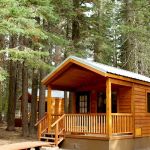 Best Camping Cabins with Stunning Views of National Parks and Forests