
- 1. Understanding Bears and Their Behavior
- 2. Setting Up Your Campsite to Avoid Bear Encounters
- 3. Effective Bear Deterrents
- 4. Common Mistakes to Avoid When Camping with Bears
- 5. What to Do in Case of a Bear Encounter
1. Understanding Bears and Their Behavior
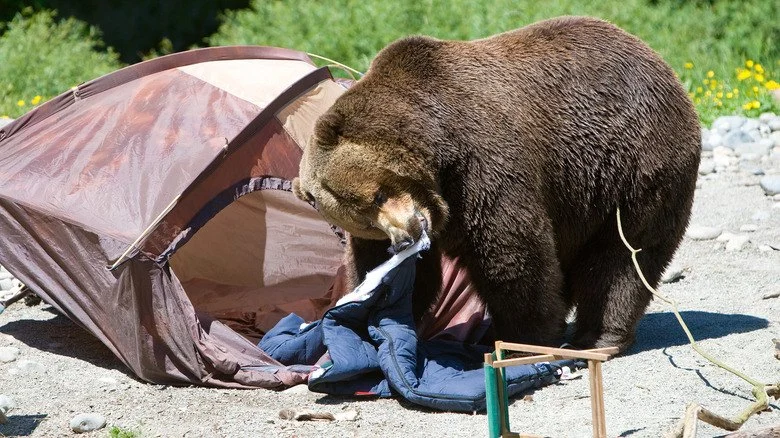
Bears are opportunistic feeders, meaning they are constantly on the lookout for food sources. They are particularly attracted to campsites because of the easy access to human food, trash, and even the smell of cooking. Understanding bear behavior is key to preventing unwanted encounters during your camping trip.
In general, bears are shy animals, but they can become bold or aggressive if they feel threatened or if food is involved. There are different species of bears in North America, but black bears and grizzly bears are the most common threats to campers. Both species are curious and will investigate campsites for potential food sources.

Laurel Heights
MontvilleSoutheastern Connecticut Planning RegionConnecticut
3 Hillcrest Dr, Uncasville, CT 06382, USA
2. Setting Up Your Campsite to Avoid Bear Encounters
The way you set up your campsite plays a significant role in preventing bear encounters. Here are some tips for bear-proofing your campsite:
- Choose the Right Location: Set up your tent at least 100 yards away from food storage, cooking areas, and trash bins. Avoid camping near berry patches or other natural bear food sources.
- Keep Food in Bear-Proof Containers: Use bear-resistant containers to store food. Never leave food or coolers unattended, and make sure they are sealed tightly when not in use.
- Hang Your Food: If bear-proof containers aren’t available, hang your food in a tree at least 10 feet off the ground and 4 feet away from tree trunks.
- Secure Trash: Bears are attracted to trash, so always pack out all your waste. If there are no trash receptacles available, bring trash bags with you and store them securely in bear-proof containers.
3. Effective Bear Deterrents
Several methods can help deter bears from your campsite. These include:
- Bear Spray: Bear spray is one of the most effective deterrents in case of a bear encounter. Always carry bear spray within easy reach when hiking or camping in bear territory. Make sure you know how to use it properly.
- Noise and Smell Deterrents: Bears are cautious animals, and loud noises can sometimes help scare them away. Consider setting up a bear alarm or making noise when you are near your campsite. Additionally, strong smells from scented soaps, lotions, and perfumes should be avoided in bear country.
- Electric Fencing: Some campers use electric fences to keep bears at bay. These fences are easy to set up around food storage or campsites and provide an added layer of protection.
4. Common Mistakes to Avoid When Camping with Bears
To further reduce the risk of bear encounters, avoid these common mistakes:
- Leaving Food Out: Never leave food unattended in your tent or campsite, even for a short time. Bears have an incredible sense of smell and can detect food from miles away.
- Feeding Bears: Do not feed bears or leave food scraps behind. Feeding bears encourages them to associate humans with food, which can lead to dangerous encounters.
- Ignoring Signs of Bear Activity: Always stay alert and observe your surroundings. If you see signs of recent bear activity—such as tracks, droppings, or claw marks—consider moving your campsite.
5. What to Do in Case of a Bear Encounter
In the unlikely event of a bear encounter, it’s essential to stay calm and follow these steps:
- Don’t Run: Running may trigger a chase response. Instead, slowly back away while facing the bear.
- Make Yourself Look Bigger: If the bear stands up on its hind legs, it’s usually trying to assess the situation. Stand tall, raise your arms, and speak calmly to make yourself appear larger.
- Use Bear Spray: If the bear charges or approaches too closely, use bear spray to deter it. Aim for the bear’s face and deploy the spray when the bear is within range.
Camping in bear country can be a safe and enjoyable experience when you take the proper precautions. For more information on bear safety and camping gear, visit Camping Cabins for expert advice and quality products to enhance your outdoor adventure.


 Roberts Mobile Home Park4.0 (99 reviews)
 Chisel Branch Hiker Biker Campsite4.0 (28 reviews)
 Sea Grove Camping Resort4.0 (170 reviews)
 Kellys Trailer Park Court3.0 (3 reviews)
 Holloway Beach4.0 (62 reviews)
 CHSP Group Camp sites4.0 (5 reviews)
 Why Winter is the Best Time for a Camping Cabin Getaway
 Best Remote Camping Cabins for Stargazing and Night Adventures in the U.S.
 The 10 Must-Have Amenities for a Comfortable Stay in Your Camping Cabin
 Winter Camping Cabins: How to Stay Cozy and Warm in the Cold
 How to Create the Ultimate Outdoor Experience with a Camping Cabin
 Best Camping Cabins with Stunning Views of National Parks and Forests