
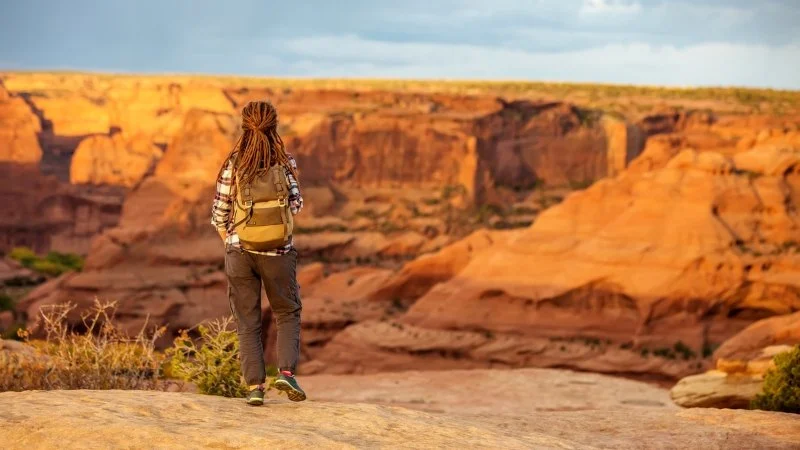
How to Respect Native American Heritage Sites on Public Lands
- 1. Understanding the Cultural Significance of Native American Heritage Sites
- 2. Ethical Travel Practices When Visiting Native American Sites
- 3. Preserving Heritage Sites for Future Generations
- 4. The Importance of Education and Awareness
- 5. Respectful Activities and Behaviors at Heritage Sites
1. Understanding the Cultural Significance of Native American Heritage Sites
Native American heritage sites are not just historical landmarks; they are sacred locations deeply embedded in the cultural and spiritual practices of Indigenous peoples. These sites hold great importance to Native communities and represent a connection to their ancestors, traditions, and ways of life.
Many of these sites are found on public lands, such as national parks and forests, and visiting them without respect can damage the cultural significance they hold. To properly honor these sites, it's essential to understand their history, the beliefs associated with them, and the cultural values that are tied to these sacred spaces.

2. Ethical Travel Practices When Visiting Native American Sites
As a responsible traveler, it is vital to adopt ethical practices when visiting Native American heritage sites. Here are some guidelines to ensure that your visit respects the heritage and traditions of the Indigenous communities:

1. Obtain Permission
Before visiting any Native American heritage site, especially those that are on private land or are sacred to Indigenous peoples, it's important to seek permission. Many tribes require travelers to request permission before entering certain areas. By contacting tribal representatives or land managers, you can ensure that you are following the correct protocols.
2. Follow All Guidelines and Rules
Each site may have its own set of rules that are put in place to protect the land and its cultural significance. Whether it's restrictions on photography, prohibitions on touching sacred objects, or guidelines about noise levels, adhering to these rules is a key part of respecting the heritage site.
3. Leave No Trace
Leaving no trace means minimizing your impact on the environment and the cultural artifacts present at the site. Avoid leaving trash behind, refrain from picking plants or disturbing wildlife, and respect any marked boundaries. Your actions can directly impact the preservation of these sites for future generations.
3. Preserving Heritage Sites for Future Generations
Preservation is a key aspect of respecting Native American heritage sites. The damage caused by careless behavior, vandalism, or neglect can lead to the loss of cultural knowledge and historical context. As visitors, we play an essential role in preserving these sites by:
1. Supporting Conservation Efforts
Many tribes and organizations work tirelessly to preserve Native American heritage sites. By supporting these conservation efforts, either through donations or volunteer work, you can contribute to the long-term protection of these areas. Additionally, some organizations offer educational programs that provide insight into the importance of these sites.
2. Advocating for Protection
Advocating for the protection of Native American heritage sites is crucial. This may involve supporting legislation that seeks to safeguard sacred sites or raising awareness about the significance of these lands. As an informed traveler, you can use your voice to help protect and honor Native American cultural heritage.
4. The Importance of Education and Awareness
Education and awareness are key to fostering respect for Native American heritage sites. Understanding the deeper meanings behind these sites allows visitors to engage with them more meaningfully. Consider these educational practices:
1. Research the Site
Before visiting a heritage site, take the time to research its cultural, historical, and spiritual significance. Learn about the Native tribe associated with the site, their customs, and the traditions linked to the land. This can deepen your understanding and help you appreciate the importance of preserving these areas.
2. Participate in Guided Tours
Many Native American communities offer guided tours of their heritage sites. These tours are often led by Indigenous guides who provide valuable insights into the cultural history of the area. Participating in these tours can offer a deeper, more authentic experience and support the community's efforts to share their culture with the public.
5. Respectful Activities and Behaviors at Heritage Sites
When visiting Native American heritage sites, it is essential to conduct yourself respectfully. Here are some key behaviors to consider:
1. Be Mindful of Sacred Practices
Many Native American heritage sites are still used for religious and spiritual purposes. Be mindful of ongoing ceremonies or rituals and avoid interrupting or photographing these sacred events. If you're unsure about the appropriate conduct, always ask for guidance.
2. Respect Quiet and Peaceful Environments
Native American heritage sites are often places of reflection and connection. Be respectful of the quiet environment and avoid loud noises or disruptive behavior. Your behavior can influence the atmosphere and experience of the site for others.
In conclusion, visiting Native American heritage sites on public lands is a deeply enriching experience, but it must be approached with respect and care. By understanding the cultural significance, adhering to rules, supporting preservation efforts, and educating yourself and others, you can contribute to the ongoing respect and protection of these sacred sites. To learn more about responsible tourism, consider visiting Camping Cabins for resources and recommendations on respectful outdoor experiences.





 Sleepy Hollow Campground4.0 (89 reviews)
 Driftwood Too! Camping Resorts4.0 (176 reviews)
 Brighton Lodge5.0 (8 reviews)
 Sandy Hill Family Camp4.0 (66 reviews)
 Lake Acres2.0 (4 reviews)
 The Midnight Retreat5.0 (1 reviews)
 Why Winter is the Best Time for a Camping Cabin Getaway
 Best Remote Camping Cabins for Stargazing and Night Adventures in the U.S.
 The 10 Must-Have Amenities for a Comfortable Stay in Your Camping Cabin
 Winter Camping Cabins: How to Stay Cozy and Warm in the Cold
 How to Create the Ultimate Outdoor Experience with a Camping Cabin
 Best Camping Cabins with Stunning Views of National Parks and Forests