
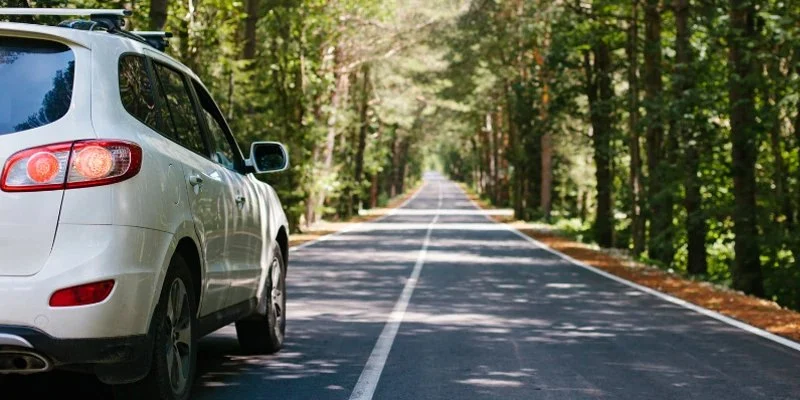
- Prepping Your Vehicle for a Long Trip on Rough Roads
- 1. Why Preparing for Rough Roads is Crucial
- 2. What to Check Before Hitting the Road
- 3. Essential Gear for Rough Road Trips
- 4. How to Handle Emergencies on Rough Roads
- 5. Maintaining Your Vehicle During the Trip
- 6. Explore Products with Camping Cabins
Prepping Your Vehicle for a Long Trip on Rough Roads
Planning a long road trip can be thrilling, but if you're headed off the beaten path on rough roads, it’s essential to prepare your vehicle for the challenges ahead. Whether you're driving through rugged landscapes, mountainous terrains, or unpaved paths, taking time to ensure your vehicle is in top shape will make your trip safer and more enjoyable. This guide will walk you through the key steps to prep your vehicle for rough roads, covering everything from mechanical checks to packing the right gear.

Burke Lake Campgrounds
Fairfax StationFairfax CountyVirginia
10405 Burke Lake Rd, Fairfax Station, VA 22039, USA
1. Why Preparing for Rough Roads is Crucial
Traveling on rough roads, such as dirt roads, gravel paths, or rocky terrain, can put significant strain on your vehicle. Without proper preparation, you risk damaging your car, getting stuck, or encountering breakdowns in remote areas with limited access to help. Taking the time to prepare your vehicle not only ensures a smooth trip but also enhances your safety and reduces the stress of dealing with unexpected issues.

1.1. Protecting Your Vehicle from Damage
Rough roads can lead to a variety of vehicle issues, including tire punctures, suspension damage, or engine overheating. By preparing your vehicle properly, you can reduce the likelihood of these issues and prevent costly repairs during or after the trip.
1.2. Ensuring Safety
Ensuring your vehicle is ready for rough conditions means you're also looking out for your own safety. Well-maintained brakes, tires, and suspension systems are essential when navigating challenging terrains to avoid accidents and ensure that your vehicle can handle sudden changes in road conditions.
2. What to Check Before Hitting the Road
A successful trip starts with a comprehensive check of your vehicle. Before heading out on your rough-road adventure, here’s a checklist of things to inspect to make sure your car is in the best possible condition.
2.1. Tires
Your tires are your vehicle’s contact point with the road, so ensuring they're in good condition is vital. Check the tire pressure, tread depth, and overall condition for any signs of wear or damage. Consider getting off-road or all-terrain tires if you're planning to drive on particularly challenging surfaces.
2.2. Suspension System
The suspension system plays a crucial role when navigating rough roads, absorbing shocks from bumps and potholes. Inspect the shocks and struts for wear and ensure that the suspension components are functioning properly to minimize discomfort and protect your vehicle.
2.3. Brakes
Brakes are crucial when driving on uneven or rough surfaces. Check your brake pads, rotors, and fluid levels before your trip to ensure they’re responsive and in good working order.
2.4. Fluids and Engine Health
Ensure that your vehicle’s fluids—engine oil, coolant, brake fluid, and transmission fluid—are topped up and in good condition. Check for any leaks and get the oil changed if needed. The last thing you want is to overheat or break down on a remote road.
2.5. Battery
A failing battery is a common issue, especially when temperatures fluctuate. Before your trip, inspect the battery for corrosion and ensure that it's fully charged. If it's been a while since your last battery check, consider replacing it to avoid surprises.
3. Essential Gear for Rough Road Trips
Preparing your vehicle isn’t the only step. You’ll also need the right gear for a safe and comfortable trip. Here’s a list of essential items to bring when heading out on rough roads:
3.1. Spare Tire and Jack
A spare tire is a must-have for any road trip, especially when traveling on rough roads. Ensure that the spare tire is fully inflated and that you have a functional jack and tire-changing tools in your vehicle.
3.2. Jumper Cables and Battery Charger
Carry jumper cables and a portable battery charger in case your battery dies. This is especially important when traveling in remote areas where help may be hard to find.
3.3. Off-Roading Tools
If you're heading into more rugged terrain, consider bringing off-roading tools such as a winch, tow ropes, or a shovel. These tools can help if you get stuck or need to clear debris from your path.
3.4. First Aid Kit
A well-stocked first aid kit is always necessary when traveling, particularly on rough roads. Include basic supplies like bandages, antiseptics, and pain relief medications. Add any personal medications or medical supplies you may need in case of an emergency.
4. How to Handle Emergencies on Rough Roads
Even with the best preparation, emergencies can still happen. Knowing how to handle them can make all the difference in a stressful situation. Here’s how to deal with common emergencies on rough roads:
4.1. Flat Tire
A flat tire is one of the most common issues you may encounter. Ensure you know how to change a tire or have roadside assistance on speed dial. Having a spare tire and the right tools is essential for addressing this situation quickly.
4.2. Vehicle Overheating
If your vehicle starts overheating, pull over immediately and let it cool down before checking the coolant levels. Avoid opening the radiator cap while the engine is hot, as this can cause burns or further damage. If the issue persists, seek professional help as soon as possible.
4.3. Getting Stuck
If you get stuck in mud or snow, try rocking the vehicle back and forth by shifting between forward and reverse gears. If that doesn’t work, use off-roading tools like a winch or tow rope to get unstuck. Always travel with a buddy or inform someone of your route when going into remote areas.
5. Maintaining Your Vehicle During the Trip
Maintenance doesn’t stop when the journey begins. Here are some ongoing tips to ensure your vehicle stays in good condition throughout the trip:
5.1. Regular Checks
While on the road, regularly check the tire pressure, fluid levels, and engine temperature. Take breaks to inspect your vehicle and address any small issues before they become bigger problems.
5.2. Drive Conservatively
On rough roads, avoid speeding and harsh braking. Drive at a steady, moderate pace to reduce stress on your vehicle and maintain control. Being cautious and taking your time will ensure a safer and more enjoyable trip.
6. Explore Products with Camping Cabins
If you're planning a rough road trip and need more than just vehicle prep, visit Camping Cabins for the best selection of camping gear and outdoor products. Whether you need a reliable tent, off-roading gear, or a cozy cabin for a post-trip retreat, we’ve got everything you need to make your adventure a success.



 Burlington Co. Camps Acq4.0 (45 reviews)
 Charlestown Manor Beach And Campground4.0 (203 reviews)
 Susquehanna State Park Campground4.0 (58 reviews)
 Campsite J410.0 (0 reviews)
 Normandy court4.0 (6 reviews)
 Holly Park Court Mobile Home Park, by Valley Community Management4.0 (4 reviews)
 Why Winter is the Best Time for a Camping Cabin Getaway
 Best Remote Camping Cabins for Stargazing and Night Adventures in the U.S.
 The 10 Must-Have Amenities for a Comfortable Stay in Your Camping Cabin
 Winter Camping Cabins: How to Stay Cozy and Warm in the Cold
 How to Create the Ultimate Outdoor Experience with a Camping Cabin
 Best Camping Cabins with Stunning Views of National Parks and Forests