
- 1. Understanding RV Dinghy Towing
- 2. Benefits of Flat Towing Your Car
- 3. Preparing Your Car for Towing
- 4. Essential Equipment for RV Dinghy Towing
- 5. Towing Safety Tips and Best Practices
- 6. Common Mistakes to Avoid
- 7. Conclusion and Recommendations
1. Understanding RV Dinghy Towing
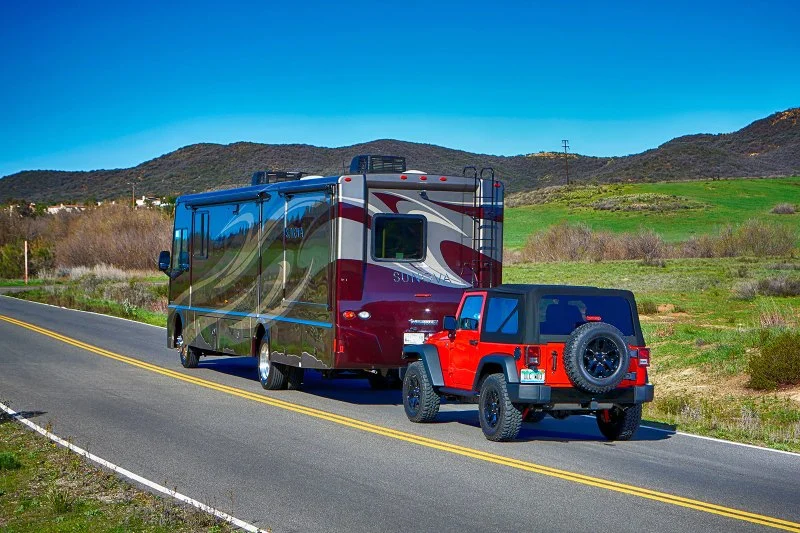
RV Dinghy towing, also known as flat towing, involves towing a vehicle behind your motorhome using a tow bar. This method allows RV owners to bring along a smaller, lighter vehicle (such as a car or truck) while traveling, providing flexibility and convenience when arriving at campgrounds or sightseeing spots.

Old Mill Falls
Bessemer CityGaston CountyNorth Carolina
651 White Jenkins Rd, Bessemer City, NC 28016, USA
1.1 What is Flat Towing?
Flat towing is a method where the towed vehicle is not placed on a trailer but instead is hitched directly to the RV using a tow bar. The car is towed with all four wheels on the ground, making it a practical and easy-to-use solution for RV travelers who want to bring their car along without the hassle of a trailer.

Pohick Bay Campground and Park Office
6501 Pohick Bay Dr, Lorton, VA 22079, USA
1.2 The RV Dinghy Towing Setup
When setting up for RV Dinghy towing, it’s important to have the correct equipment and follow proper procedures. This includes using a suitable tow bar, safety cables, and lights to ensure that both the motorhome and the towed car are safely connected and visible on the road.
2. Benefits of Flat Towing Your Car
Flat towing is popular among RV owners due to its numerous benefits. Here are some key advantages of towing your car behind your motorhome:
2.1 Convenience and Flexibility
Flat towing allows RVers to easily explore their destination without having to move the entire motorhome. It provides the flexibility to drive the towed vehicle to nearby attractions, go grocery shopping, or take day trips without worrying about finding parking for the RV.
2.2 Fuel Efficiency
Flat towing is generally more fuel-efficient than towing a car on a trailer. A trailer adds extra weight and drag, which increases fuel consumption. Flat towing, however, minimizes this added weight and drag, making it a more fuel-efficient option for RV travelers.
2.3 Easy Setup and Maneuverability
Setting up for flat towing is quicker and easier compared to setting up a trailer. There is no need to load and unload the car onto a trailer, and the overall setup process takes less time. Plus, maneuvering with a towed vehicle behind your RV is typically easier than handling a trailer.
3. Preparing Your Car for Towing
Before towing your car behind an RV, it’s important to properly prepare the vehicle to ensure safety and prevent damage. Here’s how to prepare your car:
3.1 Check the Owner's Manual
First, consult your car’s owner’s manual to ensure that it is safe to flat tow the vehicle. Some vehicles are not suitable for flat towing, and attempting to do so could cause damage to the transmission or drivetrain. Many car manufacturers include towing guidelines in their manuals.
3.2 Install a Tow Bar Mounting Bracket
Your car will need a tow bar mounting bracket installed on the front bumper. This allows the tow bar to be securely attached to the vehicle. The installation of the bracket may require professional assistance, especially if the vehicle is not already equipped for towing.
3.3 Disengage the Transmission
For many vehicles, the transmission must be disengaged to prevent damage while flat towing. Follow the manufacturer’s instructions for putting your car in neutral and ensuring the drivetrain is not engaged. Some vehicles may require a special procedure or adapter to enable flat towing without causing harm to the transmission.
4. Essential Equipment for RV Dinghy Towing
To safely tow a car behind an RV, you'll need the right equipment. Here’s a breakdown of the essential items you'll need for flat towing:
4.1 Tow Bar
The tow bar is the primary piece of equipment used to attach your car to the RV. It connects to the mounting brackets on your car and is secured to the RV’s hitch. Make sure the tow bar is rated for the weight of your vehicle and is compatible with both the RV and the towed car.
4.2 Safety Cables
Safety cables are an important safety feature for dinghy towing. These cables provide a backup connection between the RV and the towed car in case the tow bar fails. Always cross the cables under the tow bar to ensure the car doesn’t break free from the motorhome if the primary connection is lost.
4.3 Towed Vehicle Lighting System
To ensure visibility and meet legal requirements, you’ll need a lighting system for the towed vehicle. This includes brake lights, turn signals, and tail lights that can be connected to your RV’s electrical system. Some RVers use wireless or magnetic lighting kits to ensure their towed car is visible to other drivers on the road.
5. Towing Safety Tips and Best Practices
When flat towing your car behind an RV, safety should be your top priority. Here are some important towing safety tips:
5.1 Perform Regular Inspections
Before hitting the road, always perform a thorough inspection of the towing setup. Check the tow bar, safety cables, lighting system, and car’s transmission to ensure everything is functioning properly. Regularly inspect the equipment during your trip as well to prevent any issues on the road.
5.2 Maintain Proper Speed
While towing, it’s important to keep your speed within safe limits. Driving too fast can place excessive strain on the RV, the tow bar, and the towed vehicle. Stick to the recommended speed limits for towing, and avoid sudden accelerations or braking that could affect the stability of the towed car.
5.3 Avoid Sharp Turns
Sharp turns can cause strain on the towing system and may lead to damage or even detachment of the towed car. Take turns slowly and with caution to maintain control of both the RV and the towed vehicle.
6. Common Mistakes to Avoid
While flat towing is a great way to bring your car along on RV trips, there are common mistakes that RVers should avoid:
6.1 Forgetting to Disengage the Car’s Transmission
One of the most common mistakes is forgetting to disengage the car’s transmission before towing. This can lead to serious damage to the car’s drivetrain. Always ensure that the car is in neutral and that any special procedures for flat towing are followed.
6.2 Using Incorrect Tow Bar Size
Choosing the wrong size or weight-rated tow bar can lead to dangerous situations on the road. Make sure your tow bar is rated for the weight of your vehicle, and consider professional assistance if you’re unsure about the correct equipment.
7. Conclusion and Recommendations
Flat towing your car behind an RV is an excellent way to add convenience and flexibility to your RV adventures. By following proper setup procedures, using the right equipment, and adhering to safety guidelines, you can ensure a smooth and enjoyable towing experience. Remember to stay vigilant with regular inspections, proper speed limits, and always plan ahead.
If you’re looking for top-rated RV camping equipment or tips on RV travel, check out Camping Cabins for the best products and services to enhance your RV journey!



 Safari Huts4.0 (6 reviews)
 Fairview Mobile Home Park3.0 (24 reviews)
 Wading Pines Camping Resort4.0 (435 reviews)
 Hunters Run3.0 (72 reviews)
 Ocean Sands Resorts & Associates4.0 (41 reviews)
 Riverwalk Rabbit Hole5.0 (4 reviews)
 Why Winter is the Best Time for a Camping Cabin Getaway
 Best Remote Camping Cabins for Stargazing and Night Adventures in the U.S.
 The 10 Must-Have Amenities for a Comfortable Stay in Your Camping Cabin
 Winter Camping Cabins: How to Stay Cozy and Warm in the Cold
 How to Create the Ultimate Outdoor Experience with a Camping Cabin
 Best Camping Cabins with Stunning Views of National Parks and Forests