
RV Inverter Basics: Converting Battery DC Power to AC for Appliances
- 1. What Is an RV Inverter and Why Is It Important?
- 2. How Does an RV Inverter Work?
- 3. Different Types of RV Inverters
- 4. Choosing the Right Inverter for Your RV
- 5. Maintenance and Care for Your RV Inverter
1. What Is an RV Inverter and Why Is It Important?
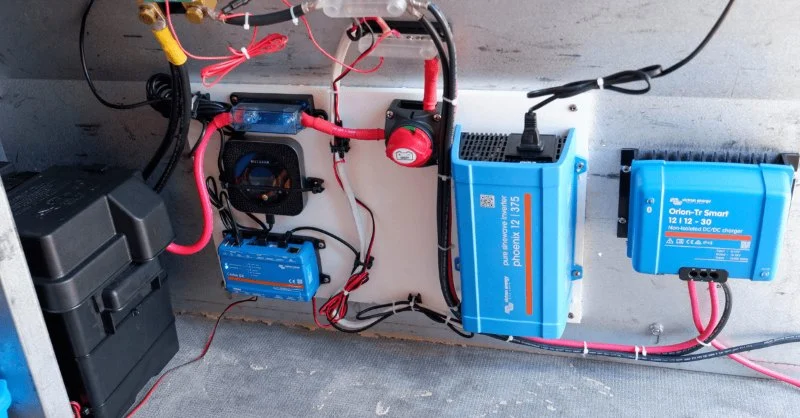
An RV inverter is an essential component for powering household appliances and electronics in your recreational vehicle (RV) while you're on the road. It converts the DC (direct current) electricity from your RV’s battery system into AC (alternating current) electricity, which is the type of power most household devices require. This makes it possible to enjoy the comforts of home, such as lighting, air conditioning, and kitchen appliances, even when you’re away from traditional power sources.
Without an inverter, your RV would only be able to run devices that operate on DC power, which limits the functionality of appliances like refrigerators, microwaves, and televisions. By converting DC to AC, an RV inverter essentially extends the usability of your RV’s battery, providing more flexibility and convenience during your travels.

2. How Does an RV Inverter Work?
To understand how an RV inverter works, it’s helpful to know the basic difference between DC and AC power. DC power is a constant flow of electricity in one direction, which is the type of power stored in your RV’s battery. AC power, on the other hand, changes direction periodically, and is typically used by most household appliances and electronics.

2.1 Converting DC to AC
The RV inverter takes the 12V DC power stored in your RV’s battery and uses a series of electronic components, including transistors and capacitors, to convert it into 120V AC power. Once this conversion occurs, the power is ready to be used to run appliances like your microwave, coffee maker, or TV.
2.2 Power Output
The inverter’s power output is measured in watts, and it can vary depending on the size and capacity of the inverter. Smaller inverters typically provide between 1000 to 2000 watts of power, which is sufficient for running low-power appliances, while larger models can provide 3000 watts or more, allowing you to run multiple high-power devices simultaneously.
3. Different Types of RV Inverters
When choosing an RV inverter, it’s important to know the different types available. The main distinction between inverters is whether they produce a pure sine wave or a modified sine wave output. Understanding these differences will help you choose the best inverter for your needs.
3.1 Pure Sine Wave Inverters
Pure sine wave inverters are the most advanced and reliable type. They produce power that is almost identical to the electricity supplied by your utility company, making them ideal for sensitive electronics like computers, audio equipment, and high-efficiency appliances. They offer clean, stable power and ensure the longevity of your devices. However, pure sine wave inverters tend to be more expensive than their modified counterparts.
3.2 Modified Sine Wave Inverters
Modified sine wave inverters are a more affordable option, but they produce a less consistent power output. While they work fine for most standard appliances such as lights, fans, and refrigerators, they may cause problems with more sensitive electronics, resulting in reduced efficiency or even potential damage. They are generally smaller and lighter, making them a good choice for those with simpler power needs.
3.3 Inverter-Chargers
An inverter-charger combines the functionality of both an inverter and a battery charger. This dual-purpose device is great for RV owners who want to save space and simplify their electrical systems. When plugged into shore power, an inverter-charger will charge the RV’s battery and also provide AC power for appliances.
4. Choosing the Right Inverter for Your RV
Choosing the right inverter depends on several factors, including the size of your RV, the types of appliances you plan to use, and your budget. Here are some key considerations:
4.1 Power Requirements
The first step in choosing the right inverter is to determine how much power you need. Start by making a list of the appliances and electronics you plan to use, then calculate the total wattage. A good rule of thumb is to choose an inverter that provides 20-30% more wattage than the total wattage of your devices, to allow for surges in power when appliances are first turned on.
4.2 Size and Weight
If you're looking to save space, consider the size and weight of the inverter. Larger, more powerful inverters are heavier and take up more room, so it's important to strike a balance between power needs and available space in your RV.
4.3 Budget
As with most RV accessories, inverters come in a range of prices. While pure sine wave inverters tend to be more expensive, they offer better efficiency and reliability, especially for sensitive electronics. If you're on a budget, a modified sine wave inverter may be sufficient for your needs, especially for simpler appliances.
5. Maintenance and Care for Your RV Inverter
Proper maintenance is essential to keeping your RV inverter running smoothly. Here are a few tips for ensuring your inverter lasts as long as possible:
5.1 Regular Cleaning
Dust and debris can accumulate on your inverter’s cooling fan and vents, leading to overheating. Be sure to clean your inverter regularly to keep it functioning efficiently. Use a soft cloth to wipe down the exterior and a can of compressed air to clean the vents.
5.2 Monitor Battery Health
Since an RV inverter relies on the battery to supply DC power, it’s important to keep your battery in good condition. Regularly check the battery's charge level and voltage, and replace it when it starts to lose capacity.
5.3 Check Connections
Ensure that all connections to your inverter are secure and free from corrosion. Loose or corroded connections can lead to poor performance or even system failure. Use a multimeter to check voltage readings and ensure everything is working correctly.
For the best selection of inverters and RV accessories, visit Camping Cabins, where you can find the perfect products to power your next adventure.




 Green Acres NJ3.0 (25 reviews)
 Back Breaker Beds1.0 (1 reviews)
 Country Acres Manufactured Home Village4.0 (41 reviews)
 Midnight Getaway Ranch5.0 (1 reviews)
 Sheafe Manor Trailer Park3.0 (50 reviews)
 Fairwinds Communities LLC3.0 (76 reviews)
 Why Winter is the Best Time for a Camping Cabin Getaway
 Best Remote Camping Cabins for Stargazing and Night Adventures in the U.S.
 The 10 Must-Have Amenities for a Comfortable Stay in Your Camping Cabin
 Winter Camping Cabins: How to Stay Cozy and Warm in the Cold
 How to Create the Ultimate Outdoor Experience with a Camping Cabin
 Best Camping Cabins with Stunning Views of National Parks and Forests