
- 1. What Is Biodegradable Soap?
- 2. Is Biodegradable Soap Safe to Use in the Woods?
- 3. Potential Environmental Impact of Biodegradable Soap
- 4. How to Use Biodegradable Soap Safely in the Outdoors
- 5. Alternatives to Biodegradable Soap for Outdoor Use
1. What Is Biodegradable Soap?
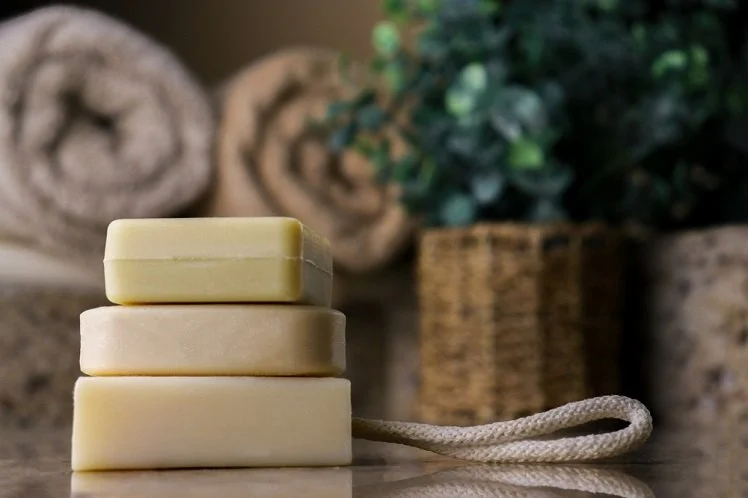
Biodegradable soap is a type of soap designed to break down naturally in the environment without leaving harmful residues. It’s typically made from plant-based ingredients like coconut oil, palm oil, or other natural fats, which are easier for the earth to decompose compared to synthetic chemicals found in conventional soaps.
Because biodegradable soap is marketed as "safe for the environment," it’s commonly used by outdoor enthusiasts who want to minimize their impact while camping, hiking, or enjoying other outdoor activities. But does this really mean it’s safe to use in nature? Let’s dive deeper into the facts.

2. Is Biodegradable Soap Safe to Use in the Woods?
While biodegradable soap is less harmful than conventional soap, it’s not entirely harmless, especially when used in natural settings like the woods, lakes, or rivers. Although it is designed to break down over time, the presence of soap in the environment can still disrupt local ecosystems.
Here are some things to consider:
- Soap Is Still Soap: Even though biodegradable soap decomposes more quickly than regular soap, it still contains chemicals that can harm wildlife, plants, and water sources if used improperly.
- Impact on Aquatic Life: Soap in streams or rivers, even biodegradable types, can affect water quality and harm aquatic organisms. Many biodegradable soaps contain surfactants that, while less toxic, can still be disruptive to sensitive ecosystems.
- Soil and Plant Health: In areas like forests or grasslands, soap can interfere with soil health and plant life. Even biodegradable soap can alter the pH of the soil and disrupt microbial activity, which is essential for healthy soil.
3. Potential Environmental Impact of Biodegradable Soap
Although biodegradable soaps are marketed as environmentally friendly, they can still have an impact if not used responsibly. Here’s what you need to know about their potential environmental effects:
- Decomposition Time: While biodegradable soaps break down faster than synthetic soaps, they don’t break down instantly. In some environments, it can still take days or weeks for the soap to decompose fully, depending on factors like temperature and soil type.
- Disrupting Natural Processes: Some biodegradable soaps, particularly those with added fragrances or essential oils, can disrupt the natural processes of the ecosystem. Certain essential oils and fragrances can be toxic to some species, especially in concentrated doses.
- Concentration Issues: Using soap near water sources can create localized concentrations of soap that may affect water quality, harming aquatic life and potentially making the water unsafe for drinking or bathing.
4. How to Use Biodegradable Soap Safely in the Outdoors
If you do decide to use biodegradable soap while outdoors, there are several precautions you should take to minimize its environmental impact:
- Use Soap Away from Water: Always use biodegradable soap at least 200 feet away from lakes, rivers, or streams. This ensures that soap doesn’t run off into natural water sources and disrupt aquatic ecosystems.
- Use Small Amounts: A little biodegradable soap goes a long way. Use minimal soap to reduce the amount that could potentially contaminate the environment.
- Wash in a Small Container: Instead of washing directly in a stream or lake, collect water in a basin or bucket, and use that for washing. This helps contain the soap and prevents it from reaching sensitive areas.
- Use Eco-Friendly Alternatives: In some cases, simply using water and a scrub brush might be enough to clean dishes or your body without any soap. For hygiene, there are also eco-friendly wipes available that don’t require water or soap.
5. Alternatives to Biodegradable Soap for Outdoor Use
If you want to minimize your environmental impact even further, consider using alternatives to biodegradable soap. Here are a few options:
- DIY Natural Cleaners: You can make your own eco-friendly cleaning solutions using ingredients like baking soda, vinegar, and lemon juice. These natural substances can clean effectively without harming the environment.
- Water-Only Methods: For washing hands or dishes, water alone may suffice. Scrubbing with a brush or using a cloth to wipe down surfaces can often do the trick without the need for soap.
- Eco-Friendly Wet Wipes: If you need something more convenient for cleaning, eco-friendly wet wipes made from biodegradable materials can be a good alternative that doesn’t harm the environment.
At Camping Cabins, we understand the importance of eco-friendly practices in outdoor adventures. We offer a range of sustainable products, including biodegradable soaps and eco-friendly camping gear, to ensure your outdoor experiences are both enjoyable and environmentally responsible.





 Lake Nummy4.0 (16 reviews)
 Campsite J410.0 (0 reviews)
 Sandy Point State Park Youth Group Camp Ground4.0 (27 reviews)
 Hospitality Creek Campground4.0 (137 reviews)
 Little Valley Mobile Home Community1.0 (1 reviews)
 Dorothy P. Flint 4-H Camp, Cliff House East3.0 (3 reviews)
 Why Winter is the Best Time for a Camping Cabin Getaway
 Best Remote Camping Cabins for Stargazing and Night Adventures in the U.S.
 The 10 Must-Have Amenities for a Comfortable Stay in Your Camping Cabin
 Winter Camping Cabins: How to Stay Cozy and Warm in the Cold
 How to Create the Ultimate Outdoor Experience with a Camping Cabin
 Best Camping Cabins with Stunning Views of National Parks and Forests