
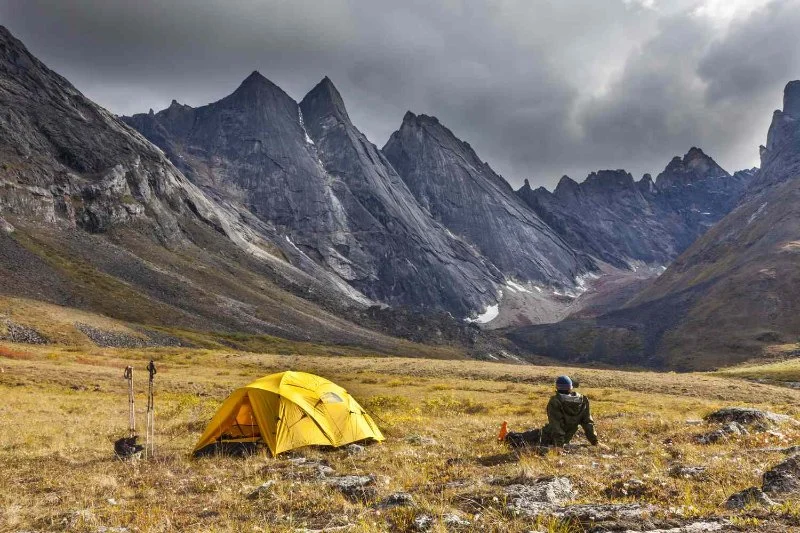
1. The Allure of Camping in Gates of the Arctic National Park
The Gates of the Arctic National Park is one of the most remote and breathtaking national parks in the U.S. Located in the far north of Alaska, this park offers a truly unique camping experience, free from roads, crowds, and modern distractions. For adventurous souls seeking solitude and the chance to reconnect with nature, camping in this wilderness is a bucket-list opportunity. In this article, we will explore the beauty, challenges, and preparation needed for an unforgettable camping adventure in the Gates of the Arctic.

Snow White Cottages
Los AngelesLos Angeles CountyCalifornia
2906 Griffith Park Blvd, Los Angeles, CA 90027, USA
2. What Makes the Gates of the Arctic National Park Special?
The Gates of the Arctic National Park is renowned for its vast and rugged terrain, which is only accessible by foot, boat, or small aircraft. With no roads leading into the park, visitors are immersed in pristine wilderness, where nature remains largely untouched. The park is home to towering mountains, alpine tundra, wild rivers, and diverse wildlife, making it an ideal destination for those seeking a true wilderness experience.

2.1 Remote and Rugged Terrain
The park encompasses over 8 million acres of land, much of it above the Arctic Circle. Its remote location and harsh terrain ensure that only the most dedicated adventurers venture here. The landscape is as stunning as it is rugged, with snow-capped peaks, glacier-fed rivers, and endless valleys. This untouched environment is a key part of the park’s allure for those looking for an authentic wilderness experience.
2.2 Wildlife and Natural Beauty
The Gates of the Arctic is home to a wide variety of wildlife, including caribou, wolves, grizzly bears, and over 150 species of birds. The park’s diverse ecosystems provide a rich habitat for these animals, and visitors can witness the natural rhythms of wildlife in their most unspoiled state. Whether you’re hiking through the tundra or camping by a river, the chance to encounter wild animals in their natural environment adds a thrilling dimension to the experience.
2.3 The Challenge of Wilderness Camping
Camping in such a remote location presents unique challenges. Without designated campsites or established infrastructure, campers must be self-sufficient and prepared for a variety of conditions. From navigating through thick brush to setting up camp in unpredictable weather, adventurers must be ready for anything. This raw, untamed experience is what draws many to the park—it’s about embracing the wilderness in its truest form.
3. Planning Your Camping Trip in the Gates of the Arctic
Before setting off into the wilds of the Gates of the Arctic, careful planning and preparation are essential. This is not a destination for casual camping; the park’s remote nature means that those who venture here must be well-prepared for the harsh conditions and the lack of services. Let’s take a closer look at what you need to know before embarking on your adventure.
3.1 Getting There
Since the Gates of the Arctic National Park is inaccessible by road, the first step in your journey is figuring out how to get there. Most visitors fly into Fairbanks, Alaska, and then take a small aircraft to one of the park’s backcountry airstrips. These flights offer stunning views of the Alaskan wilderness and give you a sense of the remoteness of the area. Once you arrive, your only means of travel will be by foot, so pack light and be prepared to carry everything you need.
3.2 What to Pack for Wilderness Camping
Wilderness camping in the Gates of the Arctic means carrying all of your gear, food, and supplies with you. Some essential items include:
- Backpacking tent or tarp (designed for extreme weather conditions)
- Cold-weather sleeping bag and insulated mat
- Clothing for layering, including waterproof and windproof outer layers
- Compact cooking equipment and freeze-dried food
- Water filtration system or water purification tablets
- Bear-resistant food containers and wildlife safety gear
- Map, compass, and GPS device
Given the park’s remote location, it’s also recommended to carry a satellite phone or emergency beacon for communication in case of an emergency.
3.3 When to Go
The best time to visit the Gates of the Arctic is during the summer months, from late June to early September. This period offers the most stable weather and the longest daylight hours, which are essential for hiking and exploring. However, even in summer, temperatures can be chilly, and rain or snowstorms are possible. It’s important to check weather conditions before you go and be prepared for sudden changes.
4. The Camping Experience: What to Expect
Camping in the Gates of the Arctic National Park is unlike any other camping experience. Without modern conveniences, you’ll need to rely on your skills and the natural environment. From setting up camp to cooking your meals, every aspect of your trip will require you to engage with the wilderness in a meaningful way.
4.1 Setting Up Camp
With no designated campsites, you’ll have to find a suitable spot to set up camp. Look for level ground away from water sources to avoid flooding and ensure safety from wildlife. Choose a location with natural windbreaks, such as trees or large rocks, and make sure it’s far from animal paths. Due to the remoteness of the park, be prepared to camp without electricity, running water, or restroom facilities.
4.2 Wildlife Encounters
One of the highlights of camping in the Gates of the Arctic is the chance to encounter wildlife. However, it’s crucial to be cautious and respectful of the animals in the park. Keep your distance from large predators like grizzly bears, and be aware of caribou and moose. Proper food storage is essential to avoid attracting wildlife to your camp. Carrying bear spray and understanding bear safety protocols is a must for staying safe.
4.3 Fishing and Foraging
Fishing is a popular activity for those who want to supplement their meals. The park’s rivers and streams are home to various species of fish, including Arctic grayling and salmon. If you plan to fish, make sure to carry the appropriate licenses and follow local regulations. Foraging for edible plants and berries can also provide an additional food source, but be sure to properly identify anything you consume to avoid toxic plants.
5. The Challenges of Wilderness Camping in Gates of the Arctic
While the experience of camping in the Gates of the Arctic is unparalleled, it also comes with significant challenges. The park’s harsh conditions, unpredictable weather, and lack of amenities require a high level of preparedness and resilience. These challenges are what make the adventure so rewarding, but it’s important to know what to expect.
5.1 Dealing with Harsh Weather
Even in summer, temperatures in the Gates of the Arctic can drop below freezing at night, and heavy rain or snowstorms are common. Strong winds can also make camping uncomfortable. Proper clothing and gear are essential to stay warm and dry. It’s important to pack high-quality, weather-resistant gear to ensure you can handle the elements.
5.2 Navigating the Wilderness
The park’s vast, remote landscape can be difficult to navigate. While there are no marked trails, a map and compass (or GPS device) are essential for finding your way. The terrain can be challenging, with rugged mountains, dense brush, and swift-moving rivers. It’s important to have experience with wilderness navigation or to hire a guide if you’re new to backcountry travel.
6. Conclusion: A True Adventure in the Gates of the Arctic
Camping in the Gates of the Arctic National Park offers a truly unforgettable adventure for those seeking to explore one of the most remote and wild places on earth. The park’s pristine wilderness, combined with the challenges and rewards of camping in such a rugged environment, makes it a once-in-a-lifetime experience. If you’re ready for the ultimate outdoor adventure, start planning your trip today and make the most of this incredible destination. For more gear and expert recommendations on wilderness camping, visit Camping Cabins for the best products to ensure your trip is a success.
 Lakeview Terrace Mobile Home Park4.0 (3 reviews)
 Ocean Sands Resorts & Associates4.0 (41 reviews)
 Mullica River Campground4.0 (32 reviews)
 Lot E 2 White Oaks Area within Buena Vista Campground and Resort4.0 (8 reviews)
 Campsite4.0 (9 reviews)
 Blue Bird Acres4.0 (38 reviews)
 Why Winter is the Best Time for a Camping Cabin Getaway
 Best Remote Camping Cabins for Stargazing and Night Adventures in the U.S.
 The 10 Must-Have Amenities for a Comfortable Stay in Your Camping Cabin
 Winter Camping Cabins: How to Stay Cozy and Warm in the Cold
 How to Create the Ultimate Outdoor Experience with a Camping Cabin
 Best Camping Cabins with Stunning Views of National Parks and Forests