
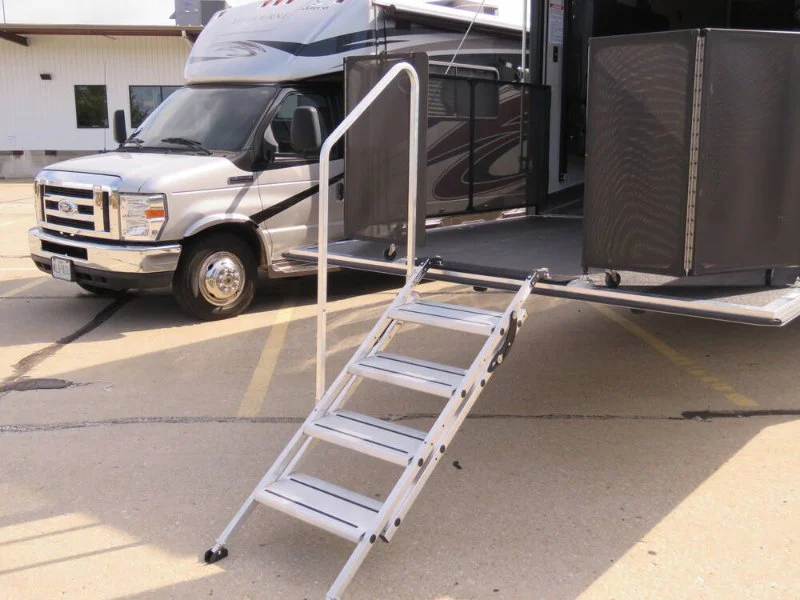
- Why Backing Up an RV Is Important
- Basic Tips for Backing Up an RV Trailer
- Step-by-Step Guide to Backing Up an RV Trailer
- Common Mistakes to Avoid When Backing Up an RV
- Real-Life Examples of RV Backing Success
- When to Seek Help While Backing Up Your RV
Why Backing Up an RV Is Important
Backing up an RV trailer is a vital skill every RV owner must master. Whether you're parking your RV at a campsite, storing it in a driveway, or navigating tight spaces, knowing how to back up safely and efficiently can save time, reduce stress, and prevent damage to your vehicle and surroundings.
For beginners, the task can feel daunting, but with a little practice and some helpful tips, you can gain confidence and make RV maneuvering much easier. The ability to back up your RV not only ensures that you can park in any spot but also helps you avoid accidents and minimizes wear and tear on your equipment.

Catskill Pond
Wappingers FallsDutchess CountyNew York
680 Sergeant Palmateer Way, Wappingers Falls, NY 12590, USA
Basic Tips for Backing Up an RV Trailer
Before you start reversing your RV, there are a few basic tips to keep in mind. These tips will help you stay safe and reduce the chances of making common backing mistakes:
Winding River Campground
HamiltonAtlantic CountyNew Jersey
6752 Weymouth Rd, Mays Landing, NJ 08330, USA
1. Know Your RV’s Size and Turning Radius
The first step in backing up your RV is understanding its size and turning radius. RV trailers are larger and less maneuverable than standard vehicles, so the wider you expect your turns to be, the more space you’ll need. Make sure you know how far you can turn the vehicle without risking damage.
2. Use Your Mirrors and a Spotter
Mirrors are essential when backing up an RV. Make sure your side mirrors are properly adjusted so you can see the rear of your trailer. If possible, use a spotter—a person who helps guide you from behind. This can be especially useful when reversing into tight spaces.
3. Take It Slow
Speed is your enemy when it comes to backing up an RV. It’s easy to get nervous and rush the process, but taking it slow allows you to make adjustments as needed and gives you more time to react if something goes wrong. Always back up at a slow, controlled pace.
Step-by-Step Guide to Backing Up an RV Trailer
Backing up an RV is a skill that improves with practice. Here’s a step-by-step guide to help you navigate the process with confidence:
1. Position Your RV
Start by positioning your RV and trailer in a straight line with the spot you want to park in. If you’re parking in a narrow spot, leave yourself plenty of space on both sides. You can then begin the maneuver by shifting the vehicle into reverse.
2. Begin Reversing Slowly
Shift your RV into reverse and begin moving slowly. Keep a close eye on your mirrors to track the rear of the trailer. Start making slight adjustments to steer the trailer in the direction you want to go. Remember, if you’re turning the steering wheel to the left, the back of the trailer will move to the right, and vice versa.
3. Use Small Adjustments
As you back up, make small, incremental adjustments rather than large turns of the steering wheel. This allows you to maintain more control over the trailer and prevents sudden jerks or over-corrections that can lead to accidents or damage.
4. Straighten the Trailer
Once the trailer is mostly in position, straighten the steering wheel to align the trailer with the parking spot. Continue reversing slowly, adjusting as needed until the trailer is properly aligned with the parking space or driveway.
5. Final Adjustments
When the trailer is nearly in place, make sure to make any final small adjustments to ensure that your RV is parked in the center of the space. Always check around the trailer to make sure there are no obstacles or other vehicles in the way.
Common Mistakes to Avoid When Backing Up an RV
While backing up your RV may seem simple once you’ve practiced, there are several common mistakes that beginners often make. Avoiding these pitfalls can make the process smoother and more efficient:
1. Overcorrecting
One of the most common mistakes is overcorrecting the steering wheel. When you make a sharp turn, the trailer may oversteer, making it difficult to align properly. If you overcorrect, it can cause the trailer to jackknife, damaging both your vehicle and the surrounding area. Always make slow, gentle adjustments.
2. Not Using a Spotter
Trying to back up an RV without a spotter can be risky, especially in tight spaces. A spotter can help guide you and prevent you from hitting obstacles. Always have someone standing behind your RV, guiding you with hand signals, and letting you know when to stop.
3. Not Using Mirrors Properly
Relying solely on your rearview camera or side mirrors may not give you the full picture. Always adjust your mirrors properly and check them frequently to ensure you’re on the right track. A good mirror setup is critical for safe and accurate backing.
Real-Life Examples of RV Backing Success
Many new RV owners struggle with backing up their trailers, but with practice and patience, they can become proficient in the task. Take the example of Emily and her family, who had never driven a trailer before. On their first RV trip, they struggled with parking at the campsite, but after a few tries and using a spotter, they were able to back up with ease. Emily credits their success to starting slow, adjusting the mirrors, and practicing in an open space before entering the tight camping site.
Similarly, David, a seasoned RV traveler, recommends taking time to practice backing up in an empty parking lot before heading out on your first trip. His experience with a spotter and gradual adjustments helped him feel more confident when parking in unfamiliar areas.
When to Seek Help While Backing Up Your RV
If you're feeling unsure or uncomfortable about backing up your RV, don’t hesitate to ask for help. A trained professional or an experienced RV driver can give you tips on improving your technique. In some cases, RV parks and campgrounds may even offer backing-up assistance, especially if the space is particularly challenging.
Additionally, if you’re having difficulty parking in tight spaces, consider using RV towing assistance technology like cameras, sensors, and GPS systems designed for reversing and parking. These tools can give you a better view of your surroundings and help prevent accidents.
If you want more tips on backing up your RV or need the best products for your RV trips, visit Camping Cabins for expert recommendations on RV accessories, tools, and guides.






 Vineland Hills Manufactured Home Community3.0 (55 reviews)
 Holly Acres Campground4.0 (132 reviews)
 Spring Hill Park LLC4.0 (9 reviews)
 Hamilton Village, by Valley Community Management4.0 (12 reviews)
 The Container Retreat @ 290 Wine Trail4.0 (52 reviews)
 Bluestone Acres4.0 (6 reviews)
 Why Winter is the Best Time for a Camping Cabin Getaway
 Best Remote Camping Cabins for Stargazing and Night Adventures in the U.S.
 The 10 Must-Have Amenities for a Comfortable Stay in Your Camping Cabin
 Winter Camping Cabins: How to Stay Cozy and Warm in the Cold
 How to Create the Ultimate Outdoor Experience with a Camping Cabin
 Best Camping Cabins with Stunning Views of National Parks and Forests