
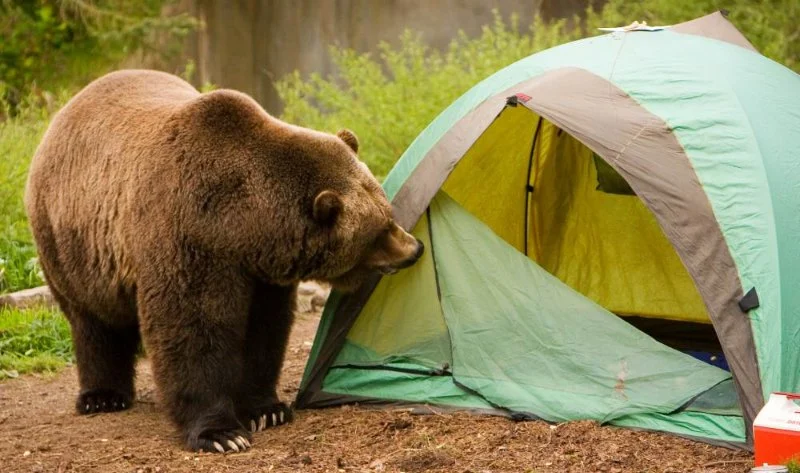
- Understanding Bear Country Risks
- Choosing a Safe Campsite
- Storing Food and Scented Items Properly
- Setting Up Your Tent Safely
- How to Handle Bear Encounters
- Real Camping Stories from the Wilderness
- Gear Recommendations for Safe Camping
- Plan Your Next Adventure with Camping Cabins
1. Understanding Bear Country Risks
Camping in bear country can be one of the most thrilling outdoor experiences — the fresh air, mountain scenery, and solitude make it unforgettable. But it also requires awareness and preparation. Knowing how to camp in a tent in bear country safely is crucial to protect both you and the wildlife.
Bears, particularly black bears and grizzlies, are curious but generally not aggressive unless they feel threatened or attracted by food. Understanding their behavior helps campers prevent dangerous encounters. In most cases, human-bear conflicts occur when food is improperly stored or campers unintentionally attract them with strong scents.

Sandy Point State Park Youth Group Camp Ground
AnnapolisAnne Arundel CountyMaryland
Annapolis, MD 21409, USA
2. Choosing a Safe Campsite
Your campsite location is the foundation of bear safety. Choose an open area with good visibility and avoid camping near berry bushes, animal trails, or water sources that bears frequent. A distance of at least 200 yards from where you cook or store food is recommended for sleeping areas.
Experts suggest looking for signs of bear activity before setting up — tracks, claw marks, or scat are clear indicators to move elsewhere. Campgrounds in national parks often provide designated bear-safe areas with food lockers, so use them whenever available.

3. Storing Food and Scented Items Properly
The golden rule of camping in bear country: keep anything that smells out of your tent. That includes food, snacks, toothpaste, deodorant, and even scented wipes. Bears have an extraordinary sense of smell — up to seven times stronger than a bloodhound’s — which means even sealed food can attract them.
Store all scented items in a bear-proof container or hang them at least 10 feet above the ground and 4 feet away from the tree trunk using the “bear hang” method. If you’re camping in an area with metal bear boxes, always use them. Never store food inside your car unless it’s hard-sided and properly sealed — soft-top vehicles are no match for a determined bear.
4. Setting Up Your Tent Safely
Where you pitch your tent matters just as much as how you set it up. Always keep your tent upwind from your cooking and eating areas to prevent scents from drifting toward your sleeping space. Avoid leaving clothing that’s absorbed cooking odors inside your tent — bears associate those smells with food.
Keep your sleeping area clean and minimal. Use unscented soap before bedtime and avoid applying perfume or lotion. Many seasoned campers also suggest placing small noise deterrents, such as metal cups or bells, near entry points. While these won’t stop a bear, they can alert you early to nearby movement.
5. How to Handle Bear Encounters
If a bear wanders into your campsite, the most important thing is to stay calm. Don’t run — that can trigger a chase instinct. Instead, speak firmly and slowly back away while keeping the bear in sight. If it doesn’t leave, make yourself appear larger by raising your arms or standing on a log.
Carry bear spray and know how to use it before you need it. Keep it within arm’s reach, especially at night. If a bear approaches aggressively, deploy the spray when it’s within 30 feet. Most encounters end with the bear retreating once it senses human dominance or irritation from the spray.
6. Real Camping Stories from the Wilderness
In 2023, a group of hikers in Montana shared a viral story about a bear encounter that ended safely thanks to smart food storage. They had followed all safety guidelines — food locked in a bear canister, campsite cleaned before bed — and the bear moved on after a short sniff around. Their story is a powerful reminder that preparation prevents panic.
On the other hand, incidents like the 2022 Yellowstone case — where campers left food wrappers in a tent — highlight what happens when rules are ignored. The bear had to be relocated after being attracted repeatedly to the same area. Responsible camping keeps both people and bears safe.
7. Gear Recommendations for Safe Camping
Having the right gear makes all the difference in bear country. Essential safety items include:
- Bear-proof food canisters or hanging kits
- Bear spray (EPA-approved)
- Unscented biodegradable soap
- Compact camp lights for visibility
- Durable tents with reinforced zippers
Some modern tents even include scent-blocking materials or reflective panels that deter wildlife. Investing in quality gear not only improves safety but also enhances your overall camping experience.
8. Plan Your Next Adventure with Camping Cabins
When you’re ready to explore the great outdoors with confidence, Camping Cabins can help you find top-rated camping equipment, survival kits, and expert tips for wilderness safety. Whether you’re heading into the Rockies or the forests of Alaska, their resources make preparation easy and stress-free.
With the right mindset and reliable gear, you can enjoy the thrill of sleeping under the stars — even in bear country — safely and responsibly. Remember, smart campers respect nature, follow safety protocols, and leave the wild as pristine as they found it.



 East Hampton Village Manufactured Home Community4.0 (49 reviews)
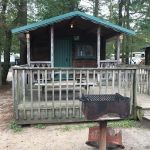 Wading Pines Camping Resort4.0 (435 reviews)
 Terry's Mobile Home Park3.0 (137 reviews)
 Delaware Seashore State Park North Campground4.0 (168 reviews)
 Marsden Tract Group Campground4.0 (38 reviews)
 Thousand Trails Chestnut Lake4.0 (299 reviews)
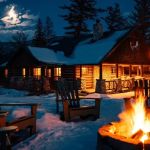 Why Winter is the Best Time for a Camping Cabin Getaway
 Best Remote Camping Cabins for Stargazing and Night Adventures in the U.S.
 The 10 Must-Have Amenities for a Comfortable Stay in Your Camping Cabin
 Winter Camping Cabins: How to Stay Cozy and Warm in the Cold
 How to Create the Ultimate Outdoor Experience with a Camping Cabin
 Best Camping Cabins with Stunning Views of National Parks and Forests