
How to Plan a Camping Menu for a Week-Long Trip
- - Introduction to Camping Menu Planning
- - Key Considerations for a Week-Long Camping Trip
- - Essential Camping Meal Components
- - Day-by-Day Camping Meal Plan
- - Tips for Efficient Camping Cooking and Clean-Up
- - Recommended Products from Camping Cabins
1. Introduction to Camping Menu Planning
Planning the right camping menu is one of the most important parts of preparing for a successful week-long outdoor adventure. A well-thought-out menu not only makes mealtime easier, but it also ensures that you enjoy tasty, nutritious meals without the hassle. Whether you’re a seasoned camper or new to outdoor adventures, having a variety of simple, easy-to-make meals will make your trip more enjoyable and help you stay energized for your outdoor activities.
2. Key Considerations for a Week-Long Camping Trip
Before diving into meal planning, it’s essential to consider a few key factors that will influence your camping menu:

2.1. Campground Facilities
Check the facilities available at your campsite. Are you camping in a remote area with minimal amenities, or will you have access to a campfire, stove, or even a grill? This will determine what kind of cooking methods you can use and the types of food you can prepare.
2.2. Food Storage and Freshness
For a week-long trip, it’s crucial to consider food storage. Pack non-perishable foods like canned goods, dried fruits, and snacks. Fresh items should be used early in the week, and you can store them in coolers to extend their freshness. It’s a good idea to plan for refrigerated foods like meats, cheeses, and veggies to be used in the first few days of the trip.
2.3. Nutritional Balance
Outdoor activities can be physically demanding, so make sure your menu includes a balance of proteins, carbohydrates, and healthy fats. Incorporate a variety of fruits, vegetables, and lean proteins into your meals to keep you energized throughout your trip.
3. Essential Camping Meal Components
When planning meals for a week-long camping trip, it's important to keep them simple, nutritious, and easy to cook. Here are the essential components to consider:
3.1. Breakfast
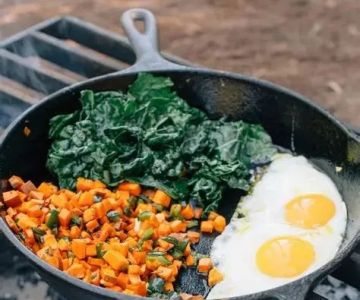
Start the day with a hearty and energizing breakfast. Consider oatmeal, eggs, or breakfast burritos that are easy to prepare. You can also pack granola bars, yogurt, and fresh fruit for a lighter option.
3.2. Lunch
Lunch should be light yet satisfying. Sandwiches, wraps, and salads are perfect for a quick and easy lunch. Pack cold cuts, cheese, and veggies for making sandwiches, or try a grain-based salad like quinoa salad with some added protein (chicken, tofu, or beans).
3.3. Dinner
For dinner, focus on hearty meals that are simple to prepare. One-pot meals like chili, pasta with sauce, or foil packet dinners are excellent for camping. Stews and casseroles also work well, as they can be prepared in advance and stored in a cooler until you're ready to cook them.
3.4. Snacks
Snacks are essential for keeping your energy levels up during the day. Bring trail mix, mixed nuts, granola bars, and fresh fruits like apples and oranges. You can also prepare some homemade jerky or bring pre-made protein bars.
3.5. Drinks
Water is crucial, so make sure you bring enough to stay hydrated throughout the day. Also, bring along some electrolyte drinks or juice boxes to add flavor and variety. For coffee lovers, pack instant coffee or a portable coffee maker for the mornings.
4. Day-by-Day Camping Meal Plan
Now that you know what types of foods to include, let’s break it down into a day-by-day plan for your camping menu:
Day 1
- Breakfast: Oatmeal with dried fruit and nuts.
- Lunch: Turkey and cheese sandwiches with a side of chips.
- Dinner: Grilled chicken foil packets with vegetables.
Day 2
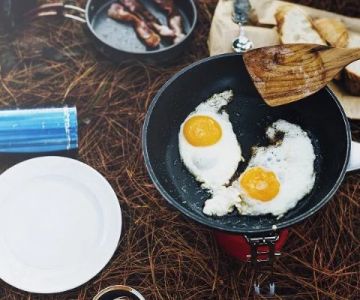
- Breakfast: Scrambled eggs with bacon and toast.
- Lunch: Tuna salad wraps with fresh veggies.
- Dinner: Chili with cornbread (pre-made and heated over the campfire).
Day 3
- Breakfast: Pancakes with maple syrup and sausage.
- Lunch: Veggie wraps with hummus and avocado.
- Dinner: Beef stew cooked in a Dutch oven over the fire.
5. Tips for Efficient Camping Cooking and Clean-Up
Cooking in the great outdoors can be fun and rewarding, but it can also be challenging. Here are some tips to make the process smoother:
5.1. Pre-Pack Ingredients
Pre-pack as many ingredients as possible in airtight containers or bags. This will save time and space during your trip. Consider marinating meats or chopping vegetables ahead of time so they’re ready to cook when you are.
5.2. One-Pot Meals
One-pot meals are perfect for camping because they reduce the amount of cookware and cleanup needed. Use a large pot or Dutch oven to make hearty meals like soups, stews, and pasta dishes.
5.3. Bring Disposable or Reusable Plates
For easy cleanup, bring disposable plates and utensils. If you prefer eco-friendly options, use reusable plates, cups, and utensils made from durable materials.
6. Recommended Products from Camping Cabins
For your camping trip, visit Camping Cabins for the best selection of camping gear, including cookware, storage containers, and meal prep tools. Whether you’re looking for portable stoves or insulated coolers to keep your food fresh, Camping Cabins has everything you need for a stress-free camping experience.

 East Hampton Village Manufactured Home Community4.0 (49 reviews)
 Wading Pines Camping Resort4.0 (435 reviews)
 Terry's Mobile Home Park3.0 (137 reviews)
 Delaware Seashore State Park North Campground4.0 (168 reviews)
 Marsden Tract Group Campground4.0 (38 reviews)
 Thousand Trails Chestnut Lake4.0 (299 reviews)
 Why Winter is the Best Time for a Camping Cabin Getaway
 Best Remote Camping Cabins for Stargazing and Night Adventures in the U.S.
 The 10 Must-Have Amenities for a Comfortable Stay in Your Camping Cabin
 Winter Camping Cabins: How to Stay Cozy and Warm in the Cold
 How to Create the Ultimate Outdoor Experience with a Camping Cabin
 Best Camping Cabins with Stunning Views of National Parks and Forests