
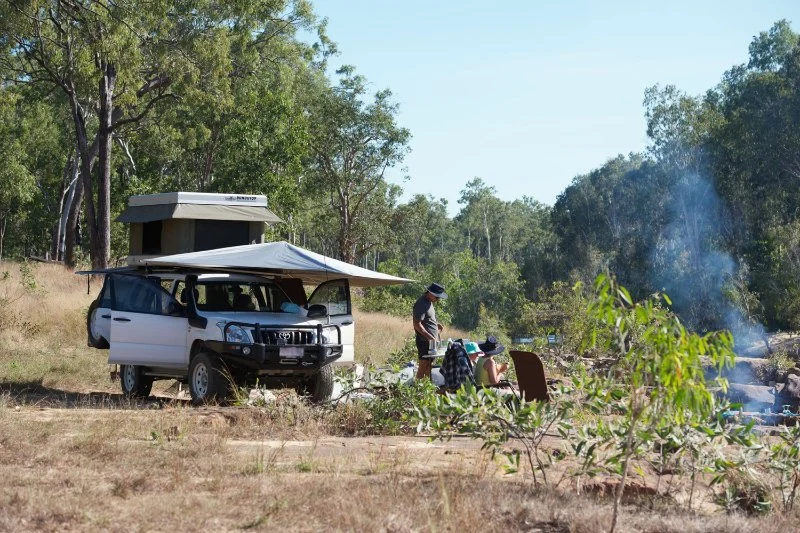
- Understanding-Leave-No-Trace-Outdoor-Ethics
- Planning-A-Responsible-Camping-Trip
- Choosing-The-Right-Campsite-With-Low-Impact
- Managing-Campfire-Food-And-Waste-Responsibly
- Protecting-Wildlife-And-Natural-Resources
- Real-Life-Examples-Of-Leave-No-Trace-Camping
- Building-A-Long-Term-Outdoor-Ethics-Habit
How to Camp Responsibly and Protect the Outdoors With Better Ethics
Camping offers one of the best ways to reconnect with nature, slow down from daily routines, and experience the beauty of forests, mountains, lakes, and deserts. However, as more people discover outdoor adventures, protecting these natural spaces becomes increasingly important. Learning how to camp responsibly is not only about following rules at a campground; it is about developing respect for the environment and understanding how every action affects the places we visit.
The principles of Leave No Trace camping provide a practical framework for enjoying the outdoors while reducing damage to ecosystems. These outdoor ethics encourage campers to plan carefully, respect wildlife, minimize waste, and leave natural areas as clean and untouched as possible.
Whether you are a first-time camper planning a weekend getaway or an experienced traveler exploring remote wilderness areas, responsible camping habits help ensure that future generations can enjoy the same landscapes. With the right preparation and mindset, camping can be both memorable and environmentally friendly.

Understanding Leave No Trace Outdoor Ethics
Leave No Trace outdoor ethics are based on the idea that visitors should minimize their impact on natural environments. These principles were developed to help campers, hikers, and outdoor enthusiasts make better decisions when spending time outside.

1. Why Outdoor Ethics Matter
Many popular outdoor destinations across the United States have experienced increased pressure from growing visitor numbers. Trails become damaged, campsites become overcrowded, wildlife changes behavior, and trash accumulation creates long-term problems.
A single camper leaving behind food scraps or walking off designated trails may seem harmless. However, thousands of visitors making similar choices can permanently affect fragile environments. Responsible camping tips are designed to prevent small actions from becoming large environmental issues.
2. The Connection Between Recreation and Conservation
Camping and conservation are closely connected. People often protect what they personally experience and appreciate. Spending time outdoors creates a stronger connection with nature, but that connection also comes with responsibility.
When campers practice sustainable camping practices, they help preserve forests, waterways, wildlife habitats, and public lands. Protecting nature does not require complicated actions. Simple choices, such as packing out trash and staying on established trails, create meaningful results.
Planning a Responsible Camping Trip
Responsible camping begins before arriving at the campsite. Good preparation reduces environmental impact and prevents problems during the trip.
1. Research Your Destination Before Leaving
Every outdoor location has different conditions, rules, and challenges. Before your trip, research campground regulations, weather conditions, fire restrictions, wildlife concerns, and available facilities.
For example, a desert camping trip requires different preparation than a forest camping adventure. Water availability, temperature changes, and fragile plant life all influence how visitors should behave.
2. Pack Smart to Reduce Waste
One of the easiest ways to practice eco friendly camping is bringing reusable equipment instead of disposable products. Reusable water bottles, durable food containers, and washable utensils reduce unnecessary waste.
Many experienced campers follow a simple rule: everything brought into nature should have a plan for removal. Before leaving home, think about packaging, leftovers, and potential trash.
3. Choose Quality Camping Equipment
Reliable equipment helps campers reduce waste because durable products last longer. A high-quality tent, sleeping system, and cooking setup can support many outdoor adventures instead of requiring frequent replacement.
For campers looking for comfortable and practical outdoor solutions, Camping Cabins can help travelers explore suitable camping products and resources designed for enjoyable outdoor experiences.
Choosing the Right Campsite With Low Impact
The location where you set up camp plays a major role in protecting nature. A responsible camper understands that not every beautiful spot is an appropriate campsite.
1. Use Established Campsites Whenever Possible
Camping in existing sites helps prevent unnecessary damage to vegetation and soil. Popular areas often have designated camping spaces specifically designed to handle visitor use.
Creating new campsites may seem harmless, but repeated foot traffic can destroy plants, compact soil, and disrupt natural water flow.
2. Maintain Distance From Water Sources
Rivers, lakes, and streams are important ecosystems. Campers should avoid setting up tents directly beside water because these areas are often sensitive habitats for animals and plants.
Keeping a reasonable distance from water also reduces the chance of contaminating drinking sources with soap, food particles, or waste.
3. Respect the Natural Appearance of the Area
A good campsite should look temporary. Avoid moving rocks, cutting branches, digging unnecessary holes, or altering the landscape. The goal of Leave No Trace camping is to allow others to experience the area in its natural condition.
Managing Campfire, Food, and Waste Responsibly
Campfires, outdoor cooking, and meals are some of the most enjoyable parts of camping. However, they also require careful management.
1. Follow Campfire Safety Guidelines
Campfires can cause serious environmental damage when used incorrectly. Always check local fire regulations before starting a fire.
Use existing fire rings when available and avoid creating new fire areas. Keep fires small, never leave them unattended, and completely extinguish them before leaving.
2. Store Food Properly
Wild animals are naturally cautious around humans, but food odors can change their behavior. Improper food storage can attract animals and create dangerous situations.
Responsible campers store food securely, clean cooking areas carefully, and avoid feeding wildlife. A wild animal that becomes dependent on human food may struggle to survive naturally.
3. Pack Out Everything You Bring In
One of the most important responsible camping tips is simple: leave no trash behind. This includes small items such as wrappers, tissues, bottle caps, and food scraps.
Many outdoor areas now experience increased cleanup costs because visitors leave behind waste. Packing out trash protects wildlife and keeps public lands enjoyable for everyone.
Protecting Wildlife and Natural Resources
Nature is home to countless species that depend on stable environments. Campers are visitors in these habitats and should behave accordingly.
1. Observe Animals From a Distance
Seeing wildlife is often the highlight of outdoor adventures. However, getting too close can stress animals and interfere with natural behaviors.
Use binoculars or cameras with zoom features instead of approaching animals. Never chase wildlife for photographs or attempt to touch wild creatures.
2. Avoid Damaging Plants and Natural Features
Flowers, trees, rocks, and natural formations may appear durable, but many ecosystems are surprisingly fragile.
Stay on established trails whenever possible and avoid collecting plants, rocks, or natural objects. Leaving these features where they belong preserves the landscape.
3. Respect Quiet Natural Spaces
Outdoor areas provide peaceful environments for wildlife and people. Excessive noise from speakers, vehicles, or large gatherings can disturb animals and reduce the experience for other visitors.
Responsible outdoor recreation includes respecting the peaceful character of natural spaces.
Real-Life Examples of Leave No Trace Camping
Across the United States, many outdoor communities have worked to promote responsible camping because of increasing environmental pressure.
1. Popular National Parks Facing Visitor Challenges
Several national parks have experienced overcrowding, trail erosion, and increased waste problems as outdoor recreation grows in popularity.
Park managers often respond by encouraging visitors to stay on trails, follow camping regulations, and practice Leave No Trace principles.
2. A Camper’s Personal Experience
Consider a family visiting a mountain campground for the first time. During their trip, they notice another group leaving food containers near their campsite. Instead of ignoring the issue, they politely explain the importance of packing out waste.
This small conversation prevents wildlife problems and helps create a stronger camping culture. Outdoor ethics often spread through individual actions rather than large campaigns.
Building a Long-Term Outdoor Ethics Habit
Responsible camping is not a single action; it is a mindset that develops over time. The more people practice outdoor ethics, the easier it becomes to protect natural spaces.
1. Teach Others About Responsible Camping
Experienced campers can help beginners understand proper outdoor behavior. Sharing knowledge about waste management, campsite selection, and wildlife protection creates a more responsible outdoor community.
2. Make Sustainability Part of Every Trip
Sustainable camping practices should become automatic habits. Simple routines such as preparing meals efficiently, reducing packaging, and carrying reusable supplies make environmentally friendly camping easier.
3. Support Responsible Outdoor Businesses
Choosing products and services that support quality outdoor experiences can encourage better environmental practices. Campers who invest in reliable equipment and education often have more enjoyable and lower-impact adventures.
Whether you are preparing for a weekend camping trip or planning a longer outdoor journey, exploring resources from Camping Cabins can help you find practical options for creating comfortable and responsible adventures.
Start Your Next Adventure With Better Outdoor Ethics
Learning how to camp responsibly is one of the most valuable skills any outdoor enthusiast can develop. Leave No Trace camping is not about limiting enjoyment; it is about protecting the places that make camping meaningful.
By planning ahead, respecting wildlife, reducing waste, and choosing sustainable camping practices, every camper can contribute to healthier forests, cleaner trails, and safer outdoor experiences.
The next time you pack your gear, remember that the best campsite is the one you leave looking untouched. Explore responsible camping resources, discover better outdoor solutions, and prepare for your next adventure with Camping Cabins today.



 Connelly Terrace Manufactured Home Community3.0 (30 reviews)
 Cub Scout Day Camp5.0 (7 reviews)
 Sunny Waters Mobile Home Park3.0 (61 reviews)
 Chesapeake Ranch Estates Campgrounds4.0 (25 reviews)
 Colonial Meadows Family Campground4.0 (114 reviews)
 Izaak Walton League of America Conservation Farm4.0 (44 reviews)
 Why Winter is the Best Time for a Camping Cabin Getaway
 Best Remote Camping Cabins for Stargazing and Night Adventures in the U.S.
 The 10 Must-Have Amenities for a Comfortable Stay in Your Camping Cabin
 Winter Camping Cabins: How to Stay Cozy and Warm in the Cold
 Best Camping Cabins with Stunning Views of National Parks and Forests
 How to Create the Ultimate Outdoor Experience with a Camping Cabin