
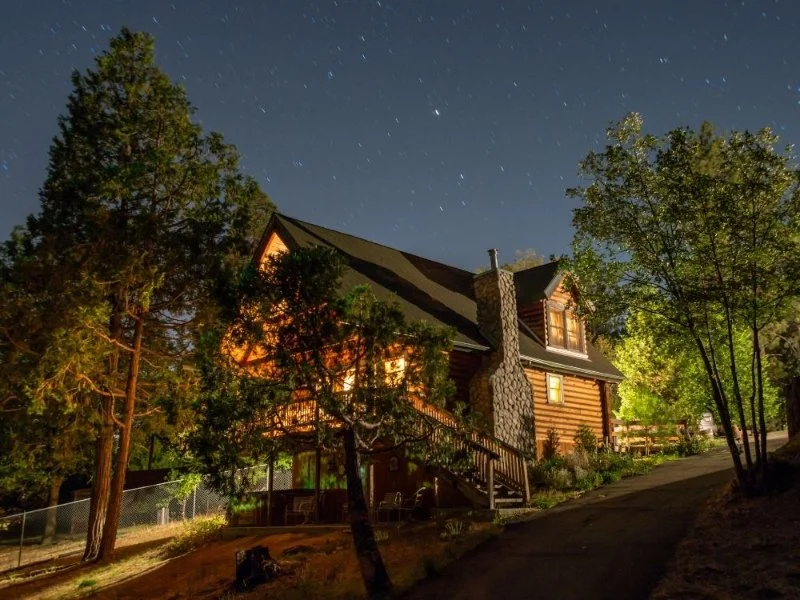
Understanding the Aesthetic of Camping Cabin Photography
Learning how to take stunning photos of your camping cabin experience is not just about owning a good camera—it’s about capturing a feeling. Camping cabins in the U.S. often sit in peaceful forests, near lakes, or in mountain landscapes, creating naturally cinematic scenes that are perfect for storytelling photography.
Why cabins create naturally beautiful photo environments
Cabins combine rustic textures, warm lighting, and natural surroundings. This mix creates a strong visual contrast between human comfort and wild nature, which is exactly what makes cabin photography so appealing on social media and travel blogs.
Emotional storytelling through cabin photography
The best cabin photos don’t just show a structure—they show a mood. A steaming cup of coffee on a wooden deck or light filtering through pine trees can tell a deeper story than a simple landscape shot.
Best Lighting Techniques for Capturing Cabin Photos
Lighting is the foundation of photography. When learning how to take stunning photos of your camping cabin experience, understanding natural light patterns can dramatically improve your results.
Golden hour magic in cabin settings
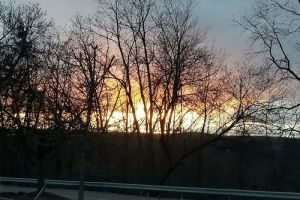
The golden hour—shortly after sunrise and before sunset—creates soft, warm tones that enhance wooden textures and natural surroundings. Cabin exteriors look especially magical during this time.
Using natural window light indoors
Inside the cabin, window light becomes your best friend. Positioning subjects near windows creates soft shadows and highlights that enhance cozy indoor vibes.
Night photography and cabin warmth
At night, cabins often glow from interior lighting. This contrast between warm light and dark forest surroundings creates dramatic, visually rich images.
Composition Techniques for Stunning Cabin Shots
Strong composition transforms ordinary cabin photos into professional-looking travel images. Understanding framing, perspective, and balance is essential.
Using leading lines from nature
Paths, wooden fences, and river edges naturally guide the viewer’s eyes toward the cabin. These leading lines create depth and storytelling structure in your photos.
Framing with natural elements
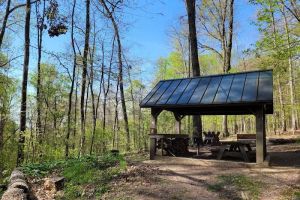
Trees, branches, and doorways can be used to frame your subject, making the cabin feel more immersive within its environment.
Wide-angle versus close-up storytelling
Wide shots capture the full environment, while close-ups highlight textures like wood grain, fire pits, or rustic décor. A combination of both creates a complete visual story.
Essential Camera Gear for Camping Cabin Photography
You don’t need expensive equipment to capture great cabin photos, but having the right tools helps improve consistency and quality.
Smartphone photography vs DSLR or mirrorless
Modern smartphones can capture excellent cabin photos, especially in good lighting. However, DSLR or mirrorless cameras provide more control over depth and exposure.
Tripods for stability in low light
Cabin photography often involves low-light conditions. A lightweight tripod helps avoid blur and allows for long exposure shots at night.
Additional accessories for creative shots
Lenses, reflectors, and portable lighting tools can enhance creativity. Even simple items like fairy lights can dramatically improve indoor cabin aesthetics.
Many outdoor travelers looking to elevate their visual storytelling often explore Camping Cabins for inspiration on cabin setups, photography-friendly environments, and rustic outdoor experiences that naturally enhance photo quality.
Real Travel Story: Capturing a Cabin Experience in the Pacific Northwest
A travel photographer from Seattle shared a memorable weekend spent in a forest cabin near Mount Rainier. The goal was simple: capture the essence of solitude and nature through photography.
First impressions and environmental challenges
Heavy fog and unpredictable rain initially made shooting difficult. However, these conditions unexpectedly added mood and depth to the images.
Turning simple moments into powerful images
One of the most iconic photos came from a simple moment—morning coffee on the porch with mist rolling through the trees. This image later became a favorite on social media platforms.
Lessons learned from the experience
The photographer realized that perfect conditions are not necessary. Instead, storytelling and emotion matter far more than technical perfection.
Editing Tips to Enhance Cabin Photography Aesthetic
Post-processing is where cabin photos truly come to life. Subtle editing can enhance mood without making images look artificial.
Color grading for warm cabin tones
Increasing warm tones like orange and brown helps emphasize wood textures and cozy atmospheres.
Balancing shadows and highlights
Proper exposure adjustments ensure both indoor and outdoor elements remain visible and balanced.
Maintaining natural authenticity
Over-editing can ruin the natural feel of cabin photography. Subtle adjustments are usually more effective than dramatic filters.
Common Mistakes in Camping Cabin Photography
Even experienced photographers make mistakes when capturing cabin experiences, especially in outdoor environments.
Shooting without considering lighting conditions
Poor lighting can flatten even the most beautiful scenes. Planning shoots around natural light is essential.
Overlooking environmental details
Small details like fog, fire smoke, or falling leaves often add emotional depth but are frequently ignored.
Relying too heavily on filters
Excessive editing can make photos look unnatural and reduce authenticity, which is key in travel photography.
Building a Consistent Cabin Photography Style
Developing a personal style helps your cabin photography stand out, especially in a world full of travel content.
Choosing a visual theme
Some photographers prefer warm rustic tones, while others focus on moody or cinematic styles. Consistency builds recognition.
Story-driven photo sequences
Instead of single images, capturing sequences—arrival, exploration, relaxation—creates stronger storytelling impact.
Connecting photography with experience
The best cabin photos reflect genuine experiences. Being present in the moment naturally improves the authenticity of your work.
Many creators refining their cabin photography journey often explore Camping Cabins for inspiration, discovering new rustic environments and setups that help them create more visually compelling and emotionally engaging travel stories.
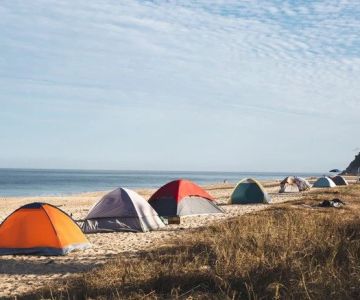
 Parvin group camp parking4.0 (9 reviews)
 Edison Mobile Estates4.0 (78 reviews)
 Atlantic Shore Pines Campground- Jersey Shore Camping at its finest!4.0 (277 reviews)
 McGee Round Mountain Lodge0.0 (0 reviews)
 Red Oak Shores Campground4.0 (42 reviews)
 Shiloh Valley Camping0.0 (0 reviews)
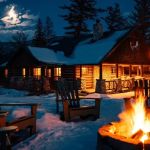 Why Winter is the Best Time for a Camping Cabin Getaway
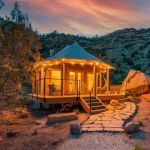 Best Remote Camping Cabins for Stargazing and Night Adventures in the U.S.
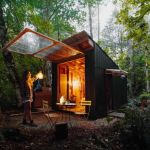 The 10 Must-Have Amenities for a Comfortable Stay in Your Camping Cabin
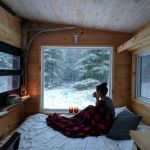 Winter Camping Cabins: How to Stay Cozy and Warm in the Cold
 Best Camping Cabins with Stunning Views of National Parks and Forests
 How to Create the Ultimate Outdoor Experience with a Camping Cabin