
- Why Charge Devices with a Car Battery?
- What Equipment Do You Need?
- Step-by-Step Guide to Charging Devices
- Safety Tips for Using Car Battery for Charging
Why Charge Devices with a Car Battery?
Camping is an incredible way to disconnect from the hustle and bustle of everyday life, but it can also come with the challenge of keeping your devices charged. Whether it’s for emergency purposes, navigation, photography, or simply staying in touch, having power for your electronic devices can be a lifeline during your camping trip.
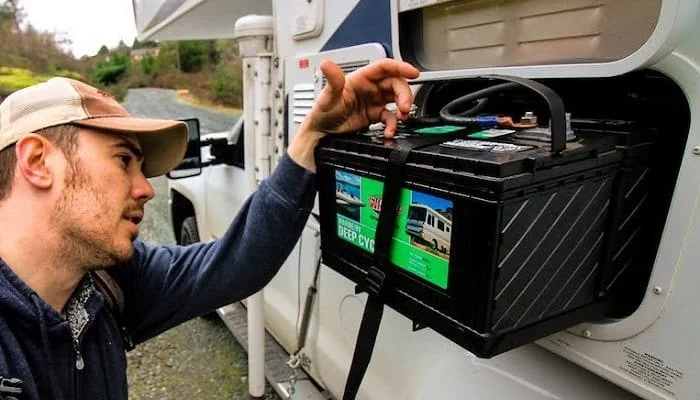
One of the most accessible and reliable sources of power in the wilderness is your car battery. Many campers find that using their vehicle’s battery is an effective way to charge smartphones, tablets, GPS devices, and other small electronics. While it’s not always the first method that comes to mind, it’s a practical and convenient solution if you’re in a pinch and need to stay powered up.

What Equipment Do You Need?
To charge your devices using a car battery, you’ll need a few essential pieces of equipment. The good news is that most of the gear is affordable, portable, and easy to use.

1. Car Battery Adapter
A car battery adapter is a key piece of equipment that allows you to connect your devices to the battery safely. These adapters come in various forms, from simple 12V adapters to more advanced ones with multiple USB ports. Make sure you choose one with enough power output to handle the devices you plan to charge.
2. Power Inverter
If you want to charge devices that require an AC power source (like laptops), a power inverter is necessary. It converts the DC power from the car battery into AC power that most household electronics can use. When choosing a power inverter, ensure it has sufficient wattage to support the devices you plan to charge.
3. Charging Cables
Having the right charging cables is crucial. Whether it’s USB cables for phones or specific cables for other devices, make sure you pack everything you’ll need. If you’re using a power inverter, you may need traditional power cords for your electronics as well.
Step-by-Step Guide to Charging Devices
Now that you have the necessary equipment, let’s walk through the steps to charge your devices safely while camping:
1. Prepare Your Car Battery
Ensure your car’s battery is fully charged before heading out. If your car’s battery is low, you may want to consider charging it at home before using it for camping. Check the car battery’s voltage to ensure it’s functioning properly.
2. Connect the Adapter or Power Inverter
Start by connecting the car battery adapter or power inverter to the car’s battery. If you're using an adapter, plug it into the 12V socket (the cigarette lighter port). For the power inverter, connect it to the battery using the included cables. Make sure the inverter is set up in a safe, dry location.
3. Plug in Your Devices
Once the adapter or inverter is connected, you can plug in your devices. If using a USB adapter, simply plug your phone, tablet, or other devices into the available USB ports. If you're using an inverter, connect your devices using standard power cables. Ensure everything is connected securely and safely.
4. Monitor Power Usage
Keep an eye on the battery level of your car’s battery while charging your devices. Charging too many devices at once can drain the car battery quickly, so it’s essential to monitor your power usage and avoid overloading the system. Charging in short bursts may help preserve the battery.
Safety Tips for Using Car Battery for Charging
While charging your devices with a car battery can be a great solution, it’s important to prioritize safety. Here are a few tips to keep in mind:
1. Avoid Overcharging
Overcharging your devices or running your car battery down completely can be dangerous. Ensure you’re not leaving devices plugged in for longer than necessary. Unplug devices once they are fully charged to prevent unnecessary power drain.
2. Use High-Quality Equipment
Investing in a reliable adapter or power inverter is essential for safety and efficiency. Avoid using cheap or subpar equipment that could risk damaging your devices or your car battery. Always choose high-quality, trusted brands for your charging gear.
3. Protect Against Short Circuits
Check your connections regularly to avoid short circuits. Loose wires or incorrect connections can lead to sparks, which can damage your devices or even cause a fire. Always ensure everything is properly connected before turning on the power.
4. Use Your Car Battery Wisely
Remember that using your car battery for charging devices will drain its power. Be mindful of how much power you’re consuming and avoid running your car battery down completely. If you need to recharge your car battery, drive your vehicle for a while to restore its power.
By following these simple steps and safety precautions, you can easily keep your devices charged while camping. If you’re planning a camping trip and need some gear for this purpose, be sure to check out Camping Cabins, where you can find the best equipment for your outdoor adventures.






 Janes Island State Park4.0 (755 reviews)
 Olde Forge Campground4.0 (60 reviews)
 Delaware Seashore State Park South Campground4.0 (935 reviews)
 Lake Somerset Family Campground4.0 (206 reviews)
 Philadelphia South / Clarksboro KOA Holiday4.0 (697 reviews)
 Snow Mountain Ranch Magnolia Cabin 534.0 (2 reviews)
 Why Winter is the Best Time for a Camping Cabin Getaway
 Best Remote Camping Cabins for Stargazing and Night Adventures in the U.S.
 The 10 Must-Have Amenities for a Comfortable Stay in Your Camping Cabin
 Winter Camping Cabins: How to Stay Cozy and Warm in the Cold
 How to Create the Ultimate Outdoor Experience with a Camping Cabin
 Best Camping Cabins with Stunning Views of National Parks and Forests