
1. Introduction: Why Training Your Dog for Camping and Hiking Matters
Camping and hiking are some of the most rewarding outdoor activities, and they can be even more enjoyable when shared with your furry companion. However, before hitting the trails or setting up camp, it’s important to train your dog for proper outdoor etiquette. Training ensures that your dog will be safe, well-behaved, and comfortable during your adventure. In this article, we’ll dive into the best ways to train your dog for camping and hiking and discuss why good manners on the trail are essential for a successful trip.

2. Essential Dog Training for Camping and Hiking
Whether you’re planning a weekend camping trip or a long hike, training your dog beforehand is key to a pleasant experience. Outdoor adventures come with new challenges, and your dog needs to be prepared for them. From leash training to respecting wildlife, here are some of the most important aspects of dog training for camping and hiking.

Seaville Shores
Upper TownshipCape May CountyNew Jersey
98 Corsons Tavern Rd, Ocean View, NJ 08230, USA
2.1 Leash Training
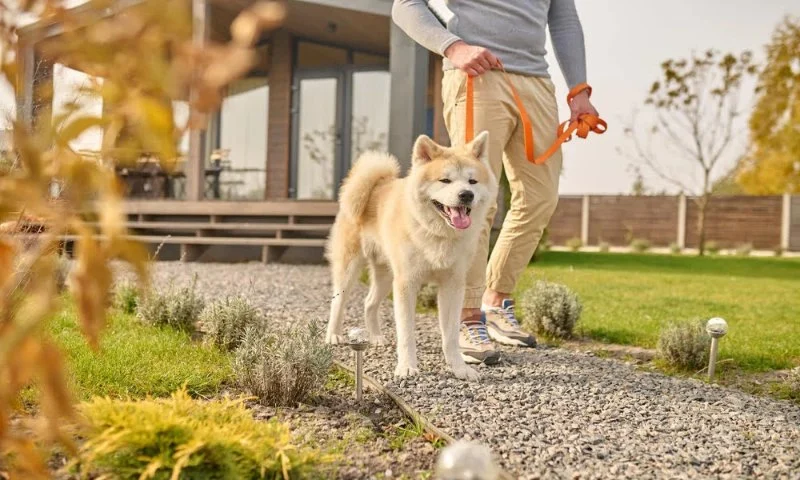
One of the first things you’ll need to work on is leash training. In many outdoor areas, especially hiking trails and campgrounds, your dog will need to be on a leash at all times. Teaching your dog to walk calmly on a leash without pulling is essential for your safety and the safety of others on the trail. Use positive reinforcement to encourage your dog to walk beside you, and gradually increase the length of your walks as they improve.
2.2 Recall and Commands
When hiking or camping, your dog may encounter distractions like other animals, people, or enticing smells. Teaching your dog to respond to basic commands such as “come,” “stay,” and “leave it” is crucial. This training helps ensure that your dog stays close to you and avoids dangerous situations. Start practicing these commands in a controlled environment before introducing your dog to the outdoor setting.
2.3 Socialization with Other Dogs and People
Outdoor adventures often bring your dog into contact with other dogs and people. It’s important to ensure your dog is well-socialized and comfortable in these situations. Gradually expose your dog to different environments, people, and other animals, and reward calm behavior. A well-socialized dog will be more relaxed and manageable during hikes or at campgrounds, where encounters with other dogs and people are common.
3. Camping Etiquette for Dogs
Just like people, dogs must follow certain etiquette while camping and hiking. Teaching your dog proper manners ensures a peaceful experience for everyone. Here’s a closer look at some key camping etiquette for dogs.
3.1 Respecting Wildlife and Nature
When camping and hiking with your dog, one of the most important rules is respecting wildlife and nature. Teach your dog to avoid chasing wildlife, which can stress animals and pose risks for your dog. Also, be mindful of the environment, ensuring that your dog doesn’t disturb plants or damage the campsite area.
3.2 Quiet Time at the Campsite
Dogs tend to get excited in new environments, but it’s important to teach them quiet time, especially at the campsite. Barking can disturb other campers, so encourage your dog to settle down and rest while you’re relaxing around the campfire or inside the tent. Crate training can be useful for this, giving your dog a safe and quiet space when needed.
3.3 Cleaning Up After Your Dog
Good camping etiquette includes cleaning up after your dog. Always carry waste bags and clean up after your dog during hikes and at the campsite. Many campgrounds and trails have designated areas for waste disposal, so be sure to dispose of the waste properly to maintain a clean and pleasant environment for all visitors.
4. Training Your Dog for Specific Outdoor Situations
Outdoor adventures with your dog may present unique challenges depending on the environment and activity. Here are some tips for training your dog to handle specific outdoor situations.
4.1 Water Training for Lakes or Streams
If you plan on camping near lakes or streams, it’s important to train your dog to be comfortable with water. Start by introducing your dog to water slowly, ensuring they feel comfortable before progressing to swimming or playing in deeper areas. This is especially important if your dog will be swimming or crossing streams during hikes.
4.2 Training for Steep or Rocky Trails
Hiking trails can vary in difficulty, and it’s important that your dog is physically prepared for the challenge. Train your dog on a variety of terrain, including steep and rocky paths, to ensure they are comfortable navigating different surfaces. Use positive reinforcement to reward your dog when they successfully navigate these more challenging areas.
4.3 Nighttime Training
Campsites often have different rhythms, including nighttime routines. It’s important to train your dog to settle down in the dark and adjust to camping’s quieter, less familiar environment. Practice crate training or use calming commands to help your dog feel secure at night, especially if they are unfamiliar with sleeping in a tent or new outdoor settings.
5. Practical Tips for Camping and Hiking with Your Dog
Here are some additional practical tips to ensure a smooth experience when camping and hiking with your dog:
5.1 Pack the Essentials for Your Dog
Be sure to pack everything your dog will need for the trip, including food, water, bedding, waste bags, and any necessary medications. Consider bringing a portable dog bowl and extra leashes for convenience. Don’t forget your dog’s favorite toys to keep them entertained during downtime.
5.2 Monitor Your Dog’s Health and Comfort
During hikes and camping, keep a close eye on your dog’s health and comfort. Watch for signs of fatigue, dehydration, or overheating, especially during long hikes in hot weather. Take frequent breaks, provide plenty of water, and adjust the pace according to your dog’s energy level.
5.3 Ensure Proper Identification
Make sure your dog is properly identified in case they get lost. Use a collar with ID tags that include your contact information, and consider getting a microchip for added security. It’s always better to be over-prepared when it comes to keeping your dog safe in the outdoors.
6. Conclusion: Training Your Dog for the Ultimate Outdoor Experience
Training your dog for camping and hiking etiquette is an important step in ensuring a successful and enjoyable outdoor adventure. By focusing on leash training, recall, socialization, and teaching your dog essential outdoor manners, you can create a positive experience for both you and your dog. And when you’re ready for your next adventure, make sure you have everything you need by visiting Camping Cabins for the best products and services to enhance your camping trip with your furry friend.



 Camp Loop B4.0 (1 reviews)
 Merry Meadows Recreation Farm3.0 (388 reviews)
 Cabin 3 on PRIM Loop in Oleta River State Park4.0 (13 reviews)
 Holloway Beach4.0 (62 reviews)
 Urban Acres4.0 (18 reviews)
 Luxury Camper Rentals5.0 (28 reviews)
 Why Winter is the Best Time for a Camping Cabin Getaway
 Best Remote Camping Cabins for Stargazing and Night Adventures in the U.S.
 The 10 Must-Have Amenities for a Comfortable Stay in Your Camping Cabin
 Winter Camping Cabins: How to Stay Cozy and Warm in the Cold
 How to Create the Ultimate Outdoor Experience with a Camping Cabin
 Best Camping Cabins with Stunning Views of National Parks and Forests