
- 1- Optimal Bedding and Clothing
- 2- Warmth Through Cabin Insulation
- 3- Heat Retention Techniques
- 4- Using Safe Alternative Heat Sources
- 5- Physical Activity and Body Heat
- 6- Real-Life Camping Experiences
- 7- Mistakes to Avoid When Camping on Cold Nights
1. Optimal Bedding and Clothing
Keeping warm at night without electricity starts with proper clothing and bedding choices. Layers are your first line of defense against the cold.

Highland Falls RV Park & Marina
Highland FallsOrange CountyNew York
72 Station Hill, Highland Falls, NY 10928, USA
1.1 Layer Your Clothing
Use multiple layers of clothing to trap body heat. Start with a moisture-wicking base layer to keep sweat away from your skin. Add an insulating mid-layer like fleece or wool and finish with a thermal outer layer if needed. Socks, gloves, and a hat can prevent significant heat loss from extremities.

1.2 Sleeping Bags and Blankets
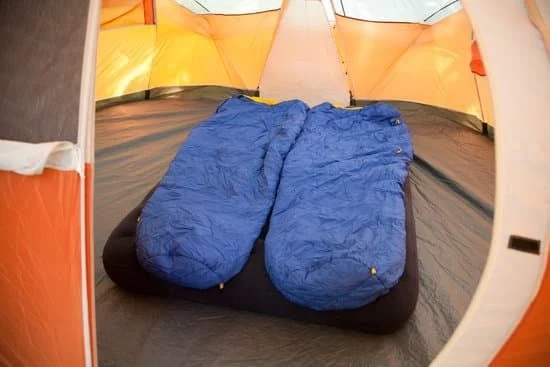
High-quality sleeping bags rated for temperatures lower than expected night temperatures are essential. Combine sleeping bags with wool or down blankets for added warmth. Sleeping with a beanie or scarf around your neck can prevent heat from escaping.
1.3 Positioning for Warmth
Sleeping near the center of the cabin or against insulated walls can reduce heat loss. Elevating your sleeping surface with extra blankets or pads helps prevent cold from the floor from seeping into your body.
2. Warmth Through Cabin Insulation
Even without electricity, proper cabin insulation can make a huge difference in retaining warmth during the night.
2.1 Seal Drafts and Gaps
Identify gaps in windows, doors, or walls, and use draft stoppers, towels, or blankets to block cold air. Simple measures like sealing cracks can significantly improve heat retention.
2.2 Insulate Windows
Cover windows with heavy curtains, blankets, or reflective insulation panels. This prevents heat from escaping and can reflect warmth back into the cabin.
2.3 Use Reflective Surfaces
Placing reflective materials near your sleeping area can bounce body heat back towards you. Emergency blankets or reflective foils are inexpensive yet highly effective options.
3. Heat Retention Techniques
Once your clothing and insulation are optimized, small adjustments in technique can preserve warmth.
3.1 Huddle and Shared Warmth
If camping with others, sleeping close together or sharing blankets can utilize collective body heat. Pets can also provide warmth if safe and suitable for your camping setup.
3.2 Hot Water Bottles and Warm Packs
Fill water bottles with hot water during the day and place them near your core at night. DIY rice or grain-filled warm packs can also provide extended heat without electricity.
3.3 Layering Bedding for Air Traps
Air trapped between multiple blankets or sleeping bags acts as an insulator. Arrange bedding to maximize air pockets around your body while minimizing gaps where cold air can seep in.
4. Using Safe Alternative Heat Sources
While electricity isn’t available, other heat sources can make a significant difference if used carefully.
4.1 Wood-Burning Stoves and Fireplaces
If the cabin is equipped with a wood stove or fireplace, use it safely following fire safety guidelines. Keep a small fire burning through the night if it’s safe, ensuring smoke ventilation and fire containment.
4.2 Candles and Oil Lamps
Candles or oil lamps produce small amounts of radiant heat. When combined with reflective surfaces or clustered together safely, they can slightly warm a small space. Never leave them unattended.
4.3 Solar Heating During the Day
Maximize sunlight during daytime by opening curtains and letting sun rays warm the cabin. This residual warmth can persist into the evening, reducing the temperature drop at night.
5. Physical Activity and Body Heat
Maintaining body warmth isn’t just about passive measures. Active movement generates heat naturally.
5.1 Pre-Bedtime Exercise
Engage in light exercise before bed, such as push-ups, squats, or stretching. This increases circulation and raises your body temperature temporarily, making it easier to stay warm once in bed.
5.2 Mental and Breathing Techniques
Controlled breathing exercises can enhance circulation and warmth perception. Visualization techniques, imagining warmth or sunlight, can improve comfort psychologically and physically.
6. Real-Life Camping Experiences
Practical examples help understand these techniques in action. Consider Mike, an avid camper from Colorado, who spent nights in a remote cabin without electricity. By layering his clothing, sealing drafts, and using hot water bottles, he stayed warm even during sub-20°F nights.
6.1 Case Study: Emily’s Winter Cabin Adventure
Emily, a solo camper in Vermont, relied entirely on insulation, reflective blankets, and pre-bedtime exercises. She reported that strategically placing a reflective emergency blanket behind her sleeping area and using hot water bottles around her core kept her cozy for the entire night. Her experience highlights how planning and practical techniques can replace electric heating.
7. Mistakes to Avoid When Camping on Cold Nights
Recognizing common errors can prevent discomfort or danger.
7.1 Ignoring Cabin Drafts
Even the best sleeping bag won’t compensate for unchecked cold air. Always inspect and seal gaps to maintain warmth.
7.2 Over-Reliance on Fire Alone
Fires can fail or be unsafe. Combine fire with insulation and body heat strategies for redundancy and safety.
7.3 Wearing Damp Clothing
Moisture drastically increases heat loss. Ensure your clothing and bedding remain dry, using moisture-wicking fabrics where possible.
By integrating these strategies, campers can successfully stay warm at night without electricity. Combining optimized bedding, cabin insulation, alternative heat sources, and active warmth generation ensures comfort and safety even in the coldest conditions. For recommended gear and expert advice, resources like Camping Cabins provide suitable products, guidance, and tips tailored for cold-weather cabin camping.

 Spartan Village3.0 (83 reviews)
 Windy Acres RV4.0 (38 reviews)
 Scenic Riverview Campground4.0 (57 reviews)
 Yankee Village0.0 (0 reviews)
 J 39 Campsite0.0 (0 reviews)
 Seabreeze Park3.0 (5 reviews)
 Why Winter is the Best Time for a Camping Cabin Getaway
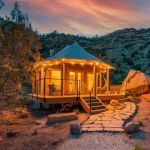 Best Remote Camping Cabins for Stargazing and Night Adventures in the U.S.
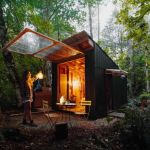 The 10 Must-Have Amenities for a Comfortable Stay in Your Camping Cabin
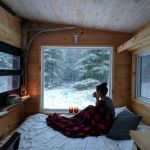 Winter Camping Cabins: How to Stay Cozy and Warm in the Cold
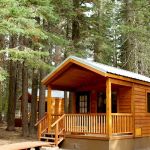 Best Camping Cabins with Stunning Views of National Parks and Forests
 How to Create the Ultimate Outdoor Experience with a Camping Cabin