
- -stay-calm-and-assess-your-situation
- -backtrack-if-safe
- -use-navigation-tools
- -leave-trail-markers-and-signals
- -prioritize-shelter-and-hydration
- -contact-authorities-if-necessary
- -learn-from-experienced-hikers
- -pack-essential-survival-gear
- -real-life-hiking-incident-examples
- -additional-resources-from-camping-cabins
1. Stay Calm and Assess Your Situation
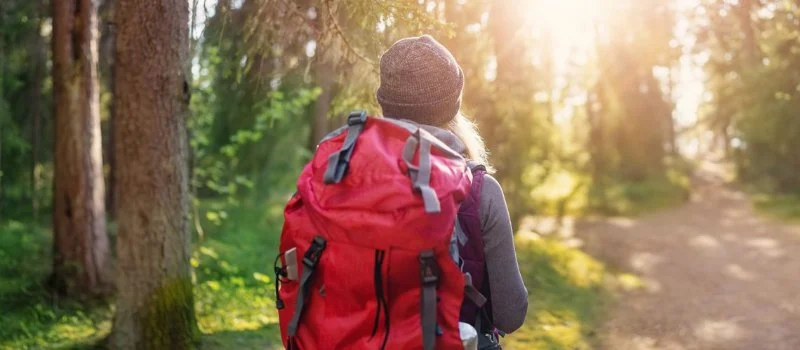
Panicking when lost in the wilderness can worsen the situation. The first step is to pause and take deep breaths. Evaluate your surroundings, weather conditions, and time of day. Identify landmarks, water sources, and visible trails to gain situational awareness. Remaining calm helps you think clearly and make better decisions for navigating back to your camping cabin.

2. Backtrack if Safe
Backtracking along your hiking path can often lead you back to familiar terrain. If you are confident in retracing your steps, move slowly and leave visible markers along the way, such as stacked stones or natural trail signs. Avoid risky areas like steep cliffs or dense underbrush when backtracking to prevent injury.
3. Use Navigation Tools
Modern hiking relies heavily on tools for orientation. Essential tools include:
- Compass and topographic maps to determine direction.
- GPS devices or smartphone apps with offline maps for precise positioning.
- Familiarize yourself with the cardinal points and natural navigation cues such as the sun’s position and moss patterns on trees.
- Regularly check your tools to verify location accuracy.
4. Leave Trail Markers and Signals
If you cannot immediately find your way back, leaving signals increases your chances of being located. Techniques include:
- Bright clothing or reflective tape tied to branches.
- Rock piles or sticks arranged in patterns for aerial visibility.
- Whistles or portable signal mirrors to attract attention.
- Avoid altering the environment drastically; use temporary and visible markers.
5. Prioritize Shelter and Hydration
If you anticipate spending extended time in the wilderness, prioritize protection from elements and staying hydrated:
- Construct a temporary shelter using natural materials or a tent.
- Conserve water and locate safe water sources, using filtration if necessary.
- Keep energy levels up with high-protein snacks and minimal exertion.
- Avoid exposure to extreme weather by layering clothing and seeking shaded or protected areas.
6. Contact Authorities if Necessary
When efforts to navigate or signal fail, contact authorities as soon as possible:
- Use a mobile phone to call park rangers or emergency services.
- Provide your last known location, trail name, and estimated time of getting lost.
- Activate any personal locator beacons (PLBs) or satellite messengers for precise rescue tracking.
- Follow instructions from rescuers carefully to avoid delays or further risk.
7. Learn from Experienced Hikers
Preparation is the best defense against getting lost. Learn from experienced hikers and guides:
- Attend workshops or courses in wilderness survival and navigation.
- Practice map reading and compass usage before heading into remote areas.
- Familiarize yourself with trail systems and topography of your camping destination.
- Join local hiking clubs or online forums to gain insights into common hazards and strategies.
8. Pack Essential Survival Gear
Proper gear can significantly reduce risks when hiking to a remote cabin:
- Map, compass, GPS device, and fully charged mobile phone.
- Water, high-energy snacks, and purification tablets.
- First aid kit and basic medical supplies.
- Weather-appropriate clothing, rain gear, and emergency blanket.
- Flashlight or headlamp with extra batteries, signaling mirror, and whistle.
9. Real-Life Hiking Incident Examples
Case 1: A family hiking to a remote cabin lost the trail in dense fog. Using a map, compass, and leaving reflective tape, they successfully backtracked to the main trail. They credited prior training and careful preparation with preventing panic.
Case 2: A solo hiker got disoriented after sunset. By creating a temporary shelter, rationing water, and signaling with a whistle, the hiker stayed safe until park rangers located them the following morning.
These incidents highlight the importance of preparation, calm decision-making, and survival skills.
10. Additional Resources from Camping Cabins
Camping Cabins provides extensive resources for safe hiking and cabin adventures:
- Trail maps and hiking guides for popular camping areas.
- Tips on selecting emergency gear and planning hiking routes.
- Safety checklists for solo and group hiking trips.
- Recommendations for guided hikes and survival workshops.
By following these guidelines and using available resources, hikers can significantly reduce the risk of getting lost and enjoy their camping cabin experience safely.
 Valley Forge Crossing Manufactured Home Community4.0 (72 reviews)
 Godfrey Bridge Campground4.0 (85 reviews)
 Green Acres Glamping ATX4.0 (14 reviews)
 Village At Pleasant Hills Mbl3.0 (41 reviews)
 Huck and Buck Farm, LLC5.0 (51 reviews)
 Ramblin' Pines4.0 (510 reviews)
 Why Winter is the Best Time for a Camping Cabin Getaway
 Best Remote Camping Cabins for Stargazing and Night Adventures in the U.S.
 The 10 Must-Have Amenities for a Comfortable Stay in Your Camping Cabin
 Winter Camping Cabins: How to Stay Cozy and Warm in the Cold
 Best Camping Cabins with Stunning Views of National Parks and Forests
 How to Create the Ultimate Outdoor Experience with a Camping Cabin