
- Understanding-Group-Cabin-Packing-Challenges
- Planning-Together-Before-You-Pack
- Smart-Strategies-for-Sharing-Supplies
- Personal-Essentials-Everyone-Should-Bring
- Food-and-Kitchen-Packing-for-Groups
- Real-Story-When-Overpacking-Ruined-the-Trip
- Organizing-Gear-Inside-the-Cabin
- Making-the-Trip-Smoother-with-Better-Preparation
Understanding Group Cabin Packing Challenges
Learning how to pack efficiently for a cabin camping trip with a group can be surprisingly difficult. When multiple people are involved, packing becomes less about individual convenience and more about coordination. It’s easy to assume that cabins simplify everything compared to tent camping, but in reality, shared spaces introduce new challenges.

1. Space Limits Inside Most Cabins
Cabins often feel spacious online, but once gear, food, and luggage are inside, the space fills quickly. When five or six people all bring large bags, coolers, and extras, movement becomes limited. Efficient packing isn’t just about saving time — it directly impacts comfort during the stay.

2. The “Someone Else Will Bring It” Problem
One of the most common issues in group trips is assuming others packed essentials. This can lead to five people bringing paper towels and no one bringing coffee. Planning ahead helps prevent unnecessary duplicates and missing items.
3. Group Trips Create Shared Responsibility
Cabin camping with friends or family works best when packing is treated as a shared system rather than individual preparation. When everyone understands their role, the entire trip becomes smoother and less stressful.
Planning Together Before You Pack
The most effective way to master how to pack for a cabin trip is to start planning before anyone opens a suitcase. Coordination saves space, reduces cost, and avoids last-minute confusion.
1. Assign Packing Roles
Instead of everyone bringing everything, divide responsibilities. One person can handle cooking tools, another can bring outdoor gear, and someone else can focus on cleaning supplies. This keeps the group organized and prevents overpacking.
2. Consider the Cabin Setup
Not all cabins are the same. Some include kitchen basics, bedding, or firewood, while others are more rustic. Checking what’s provided ahead of time makes it easier to pack only what’s necessary.
3. Think About Weather and Activities
If hiking, fishing, or lake activities are planned, gear needs will change. Cold nights in mountain cabins require extra layers, while lakeside cabins may call for swimsuits and towels. Tailoring packing to the trip purpose makes everything more efficient.
Smart Strategies for Sharing Supplies
Group cabin camping works best when supplies are shared thoughtfully. The goal is to reduce bulk while still ensuring everyone has what they need.
1. Consolidate Common Items
Items like flashlights, cooking utensils, and extra blankets don’t need to be brought by every person. Sharing these reduces clutter and keeps the cabin organized.
2. Pack in Categories, Not Individually
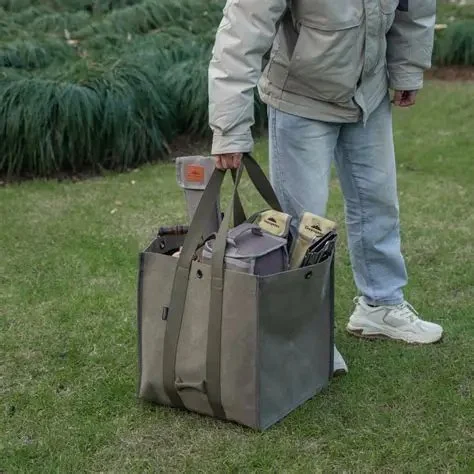
Instead of packing randomly, group items by purpose — kitchen, sleeping, outdoor activities. This makes unpacking faster and keeps the cabin from turning into a mess of scattered bags.
3. Use Medium-Sized Bags Over Large Suitcases
Several smaller bags are easier to stack and store than one oversized suitcase. This is especially helpful in cabins with limited storage space.
Personal Essentials Everyone Should Bring
Even with shared planning, there are certain items each person should be responsible for. Personal comfort matters during group trips, and forgetting small things can impact the experience.
1. Clothing for Layering
Cabin temperatures can change quickly, especially in wooded or mountain areas. Layers help adapt to cooler evenings and warmer afternoons without packing too much.
2. Sleep Comfort Items
Even when cabins provide beds, bringing a favorite pillow or blanket can improve sleep quality. This is especially helpful for kids or first-time campers.
3. Personal Toiletries and Health Items
These should never be shared. Everyone should pack their own basics to avoid inconvenience.
Food and Kitchen Packing for Groups
Food planning is one of the biggest factors in group cabin camping success. Poor planning can lead to overstuffed coolers, wasted groceries, and frustration.
1. Plan Meals Instead of Random Groceries
Deciding meals ahead of time keeps food packing focused. It also prevents bringing too much or too little.
2. Share Cooking Duties
When different people handle different meals, packing becomes more balanced. It also makes the trip feel more collaborative and fun.
3. Pre-Prep When Possible
Chopping vegetables, marinating meats, and portioning snacks before leaving reduces the amount of gear needed in the cabin kitchen.
Real Story: When Overpacking Ruined the Trip
A group of friends once rented a cozy forest cabin for a long weekend getaway. Everyone packed separately without coordinating. When they arrived, they discovered six coolers, three coffee makers, and multiple sets of cookware — but no one brought a can opener.
1. What Went Wrong
Each person tried to be helpful by bringing extras. Instead, the cabin became overcrowded, making it hard to move around or find what was needed.
2. What They Changed Next Time
On their next trip, they created a shared packing plan. The result was fewer bags, more space, and a far more relaxing experience.
3. Why Stories Like This Matter
Group cabin trips are meant to feel simple and enjoyable. Efficient packing creates room for connection, laughter, and time outdoors instead of constant organizing.
Organizing Gear Inside the Cabin
Packing efficiently doesn’t stop when you arrive. How you arrange gear inside the cabin can shape the entire experience.
1. Create Shared Storage Areas
Designating spaces for shoes, jackets, and outdoor gear helps keep the main living area clean and comfortable.
2. Keep Frequently Used Items Accessible
Things like snacks, flashlights, and water bottles should be easy to reach so people aren’t digging through bags constantly.
3. Maintain a Simple Routine
Encouraging everyone to keep personal items in one place prevents clutter from building over the trip.
Making the Trip Smoother with Better Preparation
The real goal behind learning how to pack efficiently for a cabin camping trip with a group is not just saving space — it’s creating a relaxed and enjoyable experience for everyone involved. Thoughtful planning makes mornings calmer, meals easier, and evenings more comfortable.
1. Comfort Creates Better Memories
When the cabin feels organized, people can focus on enjoying nature, playing games, or spending time around the fire.
2. Experience Makes Future Trips Easier
After one well-planned trip, most groups naturally pack smarter the next time. Everyone learns what they truly need and what can stay home.
3. Finding the Right Cabin and Supplies
Many travelers find that choosing the right location makes packing even easier. Exploring options through Camping Cabins can help you discover accommodations, gear ideas, and services that fit your group size and trip style. With better preparation and the right environment, cabin camping becomes less about logistics and more about the experience itself.
 Cape Henlopen State Park Campground4.0 (13 reviews)
 Boho Camping VibeZ5.0 (2 reviews)
 The Midnight Retreat5.0 (1 reviews)
 Burlington Co. Camps Acq4.0 (45 reviews)
 Tuscany Meadows3.0 (12 reviews)
 Bogert's Ranch Estates Inc4.0 (57 reviews)
 Why Winter is the Best Time for a Camping Cabin Getaway
 Best Remote Camping Cabins for Stargazing and Night Adventures in the U.S.
 The 10 Must-Have Amenities for a Comfortable Stay in Your Camping Cabin
 Winter Camping Cabins: How to Stay Cozy and Warm in the Cold
 How to Create the Ultimate Outdoor Experience with a Camping Cabin
 Best Camping Cabins with Stunning Views of National Parks and Forests