
- -preparing-for-your-camping-adventure-#preparing-for-your-camping-adventure
- -choosing-the-right-us-outdoor-attractions-#choosing-the-right-us-outdoor-attractions
- -camping-accommodation-options-#camping-accommodation-options
- -packing-essential-gear-and-supplies-#packing-essential-gear-and-supplies
- -safety-and-wildlife-considerations-#safety-and-wildlife-considerations
- -creating-a-flexible-itinerary-#creating-a-flexible-itinerary
- -engaging-in-local-activities-and-trails-#engaging-in-local-activities-and-trails
- -family-friendly-and-group-camping-tips-#family-friendly-and-group-camping-tips
- -real-life-camping-stories-and-tips-#real-life-camping-stories-and-tips
- -enhancing-your-camping-experience-with-premium-services-#enhancing-your-camping-experience-with-premium-services
1. Preparing for Your Camping Adventure
Planning a camping trip near top US outdoor attractions requires thoughtful preparation. Start by researching destinations that align with your interests, such as national parks, scenic forests, or iconic landmarks. A well-prepared plan helps maximize enjoyment and ensures safety during your outdoor adventure.
Consider travel logistics, including driving distances, weather patterns, and seasonal accessibility. Early planning allows you to book campsites ahead of time, which is particularly important in popular areas such as Yellowstone, Yosemite, or the Grand Canyon, where demand can be high.
2. Choosing the Right US Outdoor Attractions
Selecting the right location for your camping trip sets the tone for the experience. Evaluate attractions based on your preferences, whether it’s hiking, water activities, wildlife observation, or simply relaxing in nature. Here are some top recommendations:
2.1 National Parks
National parks offer diverse landscapes, from the towering cliffs of Zion to the giant redwoods in California. Each park provides designated camping areas, trails, and educational programs, making them ideal for both novice and experienced campers.
2.2 Scenic Forests and Lakes
State forests and lakes often provide quieter, less crowded camping experiences. Locations such as the White Mountains in New Hampshire or Lake Tahoe in California allow for fishing, kayaking, and peaceful hikes, perfect for nature enthusiasts seeking tranquility.
3. Camping Accommodation Options
When camping near US outdoor attractions, there are multiple accommodation types to suit different preferences and budgets:
3.1 Tent Camping
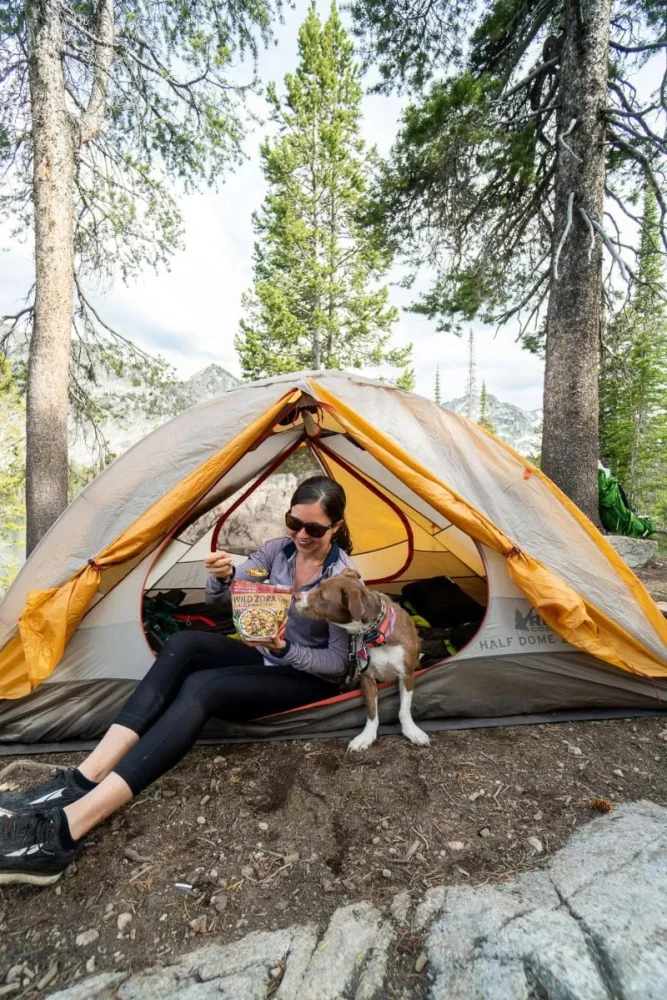
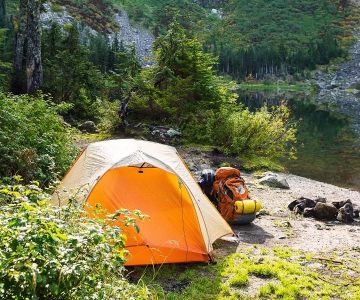
Tent camping offers an authentic outdoor experience and flexibility. It allows you to stay close to nature and choose scenic spots within campgrounds or wilderness areas. Ensure you select a high-quality tent suitable for local weather conditions.
3.2 RV and Camper Options
RV camping is convenient for those seeking comfort and mobility. Many campgrounds provide full hookups for water, electricity, and waste disposal. Camper vans also offer compact mobility and allow you to explore multiple destinations efficiently.
3.3 Camping Cabins
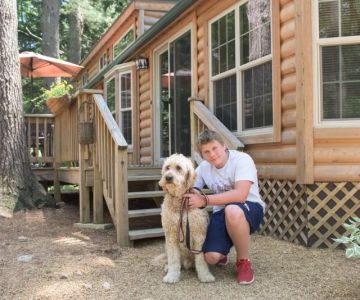
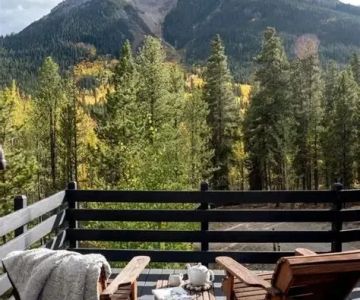
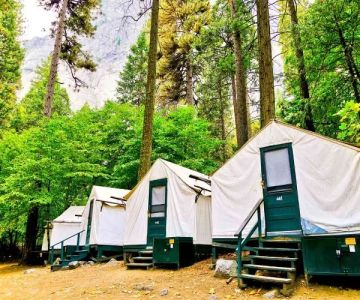
For a more comfortable stay, Camping Cabins provide cozy, semi-permanent accommodations with amenities such as beds, heating, and kitchen facilities. They are ideal for families, group travelers, or anyone new to outdoor adventures seeking convenience without sacrificing the camping experience.
4. Packing Essential Gear and Supplies
Proper gear is crucial for a successful camping trip. Essentials include:
- Durable tent, sleeping bags, and camping mats suitable for the season
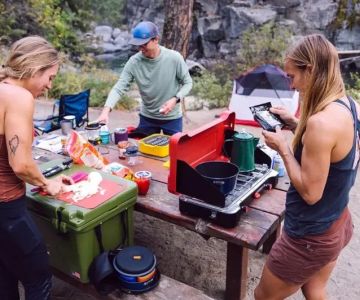
- Portable cooking equipment, utensils, and food storage containers
- First-aid kit, insect repellents, and sun protection
- Navigation tools such as maps, GPS devices, or trail apps
- Appropriate clothing layers for fluctuating temperatures
Additionally, carrying lightweight, multi-purpose items can save space and improve convenience, particularly for backpacking or longer hikes.
5. Safety and Wildlife Considerations
Camping near US outdoor attractions comes with responsibilities to ensure safety. Key considerations include:
- Understanding local wildlife, such as bears, raccoons, or snakes, and learning proper food storage methods
- Familiarizing yourself with fire regulations and emergency protocols
- Staying informed about weather alerts and trail conditions
- Maintaining a clean campsite to avoid attracting animals
Safety not only protects you but also preserves the natural environment for future visitors.
6. Creating a Flexible Itinerary
Balancing structured plans with flexibility enhances the camping experience. Allocate time for popular attractions, but allow room for spontaneous exploration. Consider travel times between destinations, potential delays, and opportunities to enjoy hidden gems.
Including buffer days also allows for weather changes or additional activities such as guided hikes, ranger programs, or local cultural events. Flexibility ensures that your trip remains enjoyable and stress-free.
7. Engaging in Local Activities and Trails
Many US outdoor attractions offer activities beyond camping. Hiking trails, kayaking, horseback riding, and guided nature tours enhance the overall experience. Researching available activities beforehand allows you to plan equipment needs and maximize enjoyment.
Local educational programs, such as ranger-led walks, can provide insight into flora, fauna, and regional history, enriching your connection to the environment.
8. Family-Friendly and Group Camping Tips
Camping with children or larger groups requires additional planning. Consider the following tips:
- Choose campsites with amenities such as restrooms, potable water, and safe play areas
- Plan group activities and responsibilities to promote teamwork and engagement
- Bring games, storytelling materials, or nature scavenger hunts to keep younger campers entertained
- Ensure clear communication and safety protocols, especially for water or trail activities
9. Real-Life Camping Stories and Tips
Many campers share memorable experiences that highlight both challenges and joys. For instance, one family recounted a trip to the Great Smoky Mountains where unexpected rain led to creative indoor activities in their camping cabin, strengthening family bonds and inspiring future trips.
Another story from Yellowstone emphasized the importance of wildlife awareness when a hiker encountered a curious deer near their campsite. Learning from such experiences enhances preparedness and enriches storytelling after the trip.
10. Enhancing Your Camping Experience with Premium Services
Using premium services, such as Camping Cabins, can elevate your outdoor adventure. These options provide comfort, convenience, and often proximity to top attractions. Some facilities offer guided tours, on-site equipment rentals, and curated local experiences that save planning time while ensuring quality.
For those seeking to balance rustic adventure with comfort, integrating cabins, RV rentals, or curated camping gear services enhances safety, enjoyment, and accessibility for all ages.
Planning a camping trip near top US outdoor attractions is both an art and a science. By carefully selecting destinations, preparing essential gear, considering safety and comfort, and incorporating flexible itineraries, travelers can create memorable adventures that connect them to nature and provide lasting experiences for family and friends.
 Butterfly Camping Resort4.0 (288 reviews)
 Trap Pond4.0 (220 reviews)
 Colchester Commons4.0 (19 reviews)
 Pine Grove Campground4.0 (162 reviews)
 Seabreeze Park3.0 (5 reviews)
 1365 N Creek Dr Saginaw0.0 (0 reviews)
 Why Winter is the Best Time for a Camping Cabin Getaway
 Best Remote Camping Cabins for Stargazing and Night Adventures in the U.S.
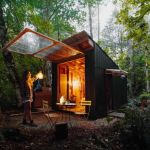 The 10 Must-Have Amenities for a Comfortable Stay in Your Camping Cabin
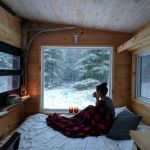 Winter Camping Cabins: How to Stay Cozy and Warm in the Cold
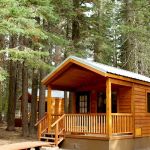 Best Camping Cabins with Stunning Views of National Parks and Forests
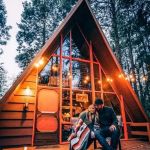 How to Create the Ultimate Outdoor Experience with a Camping Cabin