
- - Why Organization Matters for Cabin Camping
- - Plan Before You Pack
- - Create a Complete Packing Checklist
- - Organize Gear by Category
- - Food Storage Strategies for Multi-Day Trips
- - Build a Practical Clothing System
- - Packing for Families and Groups
- - Maximize Cabin Storage Space
- - Common Packing Mistakes to Avoid
- - A Real-World Packing Example
- - Helpful Gear Upgrades for Better Organization
- - Final Preparation Before Departure
Why Organization Matters for Cabin Camping
Learning How to Pack for a Multi-Day Camping Trip in a Cabin and Keep it Organized is one of the most valuable skills for outdoor enthusiasts. While cabin camping is often viewed as a more comfortable alternative to tent camping, poor preparation can quickly turn a relaxing getaway into a frustrating experience.
Many first-time cabin campers assume that because a cabin offers shelter, they can pack casually and figure things out upon arrival. In reality, cabins vary greatly in amenities. Some include electricity, kitchen appliances, bedding, and indoor plumbing, while others provide little more than four walls and a roof.
Organization becomes even more important during trips lasting several days. The longer the stay, the more opportunities there are for clutter, misplaced gear, forgotten essentials, and wasted time searching through bags.
A well-organized packing strategy delivers three major benefits:
- Faster access to supplies.
- Less stress throughout the trip.
- More time enjoying outdoor activities.
Experienced campers often say that the difference between a memorable vacation and a chaotic one is not the destination—it's preparation.
Plan Before You Pack
1. Research the Cabin Thoroughly
Before placing a single item into a bag, gather detailed information about your cabin.
Ask questions such as:
- Are beds provided?
- Is there electricity?
- Does the cabin have a kitchen?
- Are towels included?
- Is heating or air conditioning available?
- Are cooking utensils supplied?
Knowing these details prevents unnecessary packing and helps you focus on true necessities.
2. Consider the Season
Weather has a massive impact on packing decisions.
A summer cabin trip requires lightweight clothing, insect protection, and hydration equipment. A fall mountain cabin may require thermal layers, waterproof outerwear, and extra blankets.
Check weather forecasts several days before departure and again the night before leaving.
3. Match Supplies to Activities
Your itinerary should guide your packing decisions.
If your group plans:
- Fishing
- Hiking
- Kayaking
- Mountain biking
- Wildlife photography
Each activity requires specialized gear that should be organized separately from daily cabin essentials.
Create a Complete Packing Checklist
One reason experienced campers rarely forget important items is simple: they use checklists.
Essential Categories
1. Sleeping Supplies
- Bedding
- Pillows
- Sleeping bags
- Extra blankets
- Earplugs
2. Personal Items
- Toothbrush
- Toothpaste
- Soap
- Shampoo
- Prescription medications
- Sunscreen
- Bug spray
3. Kitchen Supplies
- Cooking utensils
- Paper towels
- Dish soap
- Food containers
- Trash bags
4. Safety Equipment
- First aid kit
- Flashlights
- Extra batteries
- Emergency contact information
- Portable power banks
Keeping a reusable digital checklist makes future trips dramatically easier.
Organize Gear by Category
One of the smartest approaches when learning How to Pack for a Multi-Day Camping Trip in a Cabin and Keep it Organized is using a category-based system.
Use Dedicated Storage Bins
Clear plastic bins are a favorite among experienced campers because contents are visible immediately.
Label bins clearly:
- Kitchen
- Food
- Clothing
- Outdoor Gear
- Emergency Supplies
Instead of searching through six duffel bags, you simply grab the correct container.
Use Color Coding
Families often assign colors:
- Blue for parents
- Green for children
- Red for cooking supplies
- Yellow for recreational gear
This simple strategy reduces confusion and keeps everyone accountable for their belongings.
Create Daily Access Zones
Keep frequently used items together:
- Flashlights
- Water bottles
- Phone chargers
- Bug spray
- Sunscreen
Store these in one easily accessible tote rather than burying them beneath luggage.
Food Storage Strategies for Multi-Day Trips
Food management is often the biggest organizational challenge during cabin stays.
Plan Meals Before Departure
Rather than bringing random groceries, build a meal schedule.
For example:
- Day 1 Dinner: Grilled burgers
- Day 2 Breakfast: Eggs and toast
- Day 2 Dinner: Chili
- Day 3 Lunch: Sandwiches
This prevents overpacking and reduces food waste.
Pre-Portion Ingredients
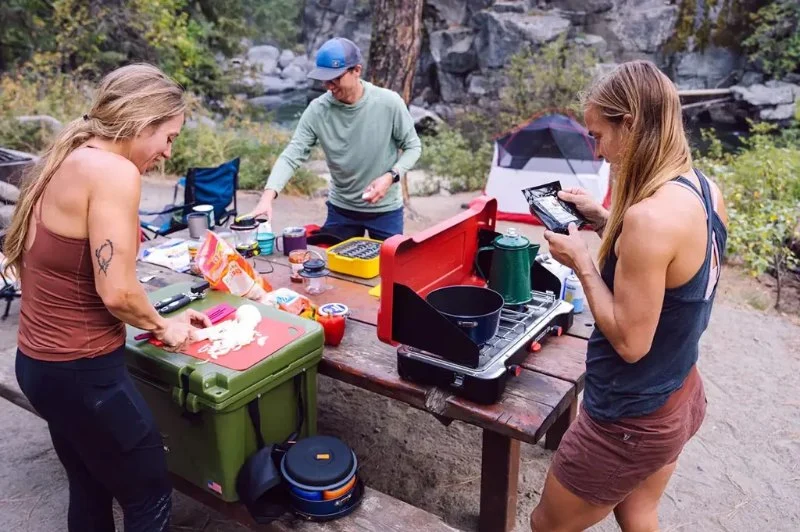
Many seasoned campers prepare ingredients at home.
Examples include:
- Pre-cut vegetables
- Marinated meats
- Measured spice mixes
- Snack-sized portions
Preparation saves significant time at the cabin.
Use Stackable Containers
Stackable containers maximize storage efficiency while protecting food from moisture and pests.
Keep a Dedicated Cooler Strategy
Many campers make the mistake of opening coolers constantly.
A better approach:
- One cooler for drinks.
- One cooler for perishables.
This helps maintain temperature and reduces ice consumption.
Build a Practical Clothing System
Overpacking clothes is one of the most common camping mistakes.
Pack by Outfit, Not by Item
Instead of throwing random shirts and pants into a bag, organize complete outfits together.
This approach:
- Saves time.
- Reduces decision fatigue.
- Prevents excessive packing.
Prepare for Layering
Weather can change rapidly around lakes, forests, and mountain cabins.
A practical layering system includes:
- Base layer
- Mid-layer insulation
- Waterproof outer shell
Use Packing Cubes
Packing cubes keep clothing organized and separated throughout the trip.
Many travelers find that cubes transform even small luggage into highly efficient storage systems.
Packing for Families and Groups
Group trips introduce unique organizational challenges.
Assign Responsibilities
Every participant should own a category.
Examples:
- One person manages food.
- One handles first aid.
- One organizes recreational equipment.
Shared responsibility prevents forgotten essentials.
Create a Master Inventory
A simple spreadsheet or shared phone note can track everything.
This is especially useful when several vehicles are involved.
Pack Community Supplies Separately
Avoid mixing personal luggage with shared equipment.
Group items should have dedicated containers for easy access.
Maximize Cabin Storage Space
Once you arrive, organization should continue.
1. Establish Storage Zones Immediately
Within the first thirty minutes:
- Designate sleeping areas.
- Assign food storage locations.
- Identify gear storage areas.
This prevents clutter from accumulating.
2. Use Vertical Space
Hooks, shelves, and hanging organizers can dramatically increase usable storage.
3. Keep Entryways Clear
Designate a location for muddy boots, jackets, and outdoor gear.
This reduces dirt throughout the cabin.
4. Create a Charging Station
If electricity is available, keep all electronics in one charging area.
This minimizes lost cables and dead devices.
Common Packing Mistakes to Avoid
Bringing Too Much Gear
Many campers prepare for every possible scenario and end up transporting unnecessary equipment.
Focus on realistic needs.
Ignoring Weather Changes
Weather forecasts are predictions, not guarantees.
Always include backup layers and rain protection.
Skipping Labels
Unlabeled containers become frustrating after several days.
Simple labels save considerable time.
Not Testing Equipment
Check:
- Lantern batteries
- Power banks
- Cooking stoves
- Portable refrigerators
before departure.
A Real-World Packing Example
A family of four planned a five-day cabin vacation near a lake. During previous trips, they packed everything into large duffel bags. Upon arrival, finding cooking utensils, spare clothing, and fishing gear became a daily frustration.
For their next trip, they switched to a container-based organization system.
Each category received its own labeled bin:
- Kitchen supplies
- Fishing equipment
- Clothing
- Food storage
- Emergency gear
They also prepared meals in advance and assigned each family member responsibility for specific supplies.
The result was dramatic. Setup time dropped from nearly two hours to less than thirty minutes. Meals became easier to prepare, gear stayed organized, and the family spent significantly more time enjoying the lake rather than searching for misplaced items.
Stories like this demonstrate why organization often matters more than the quantity of gear you bring.
Helpful Gear Upgrades for Better Organization
Storage Totes
Durable storage bins remain one of the most effective organizational tools for cabin campers.
Compression Bags
These reduce clothing volume and create additional space.
Portable Shelving Systems
Longer cabin stays can benefit from lightweight collapsible shelves.
Hanging Organizers
These are ideal for toiletries, kitchen tools, and small accessories.
Waterproof Dry Bags
Protect electronics and valuables from unexpected moisture.
Many outdoor enthusiasts discover useful organization products and camping solutions through Camping Cabins, where travelers often compare storage systems, gear recommendations, and practical cabin-trip preparation ideas before heading into the outdoors.
Final Preparation Before Departure
1. Conduct a Vehicle Load Test
Pack everything into the vehicle one day early.
This allows adjustments before departure morning.
2. Review the Checklist Again
Experienced travelers frequently discover forgotten items during a final review.
3. Verify Reservations and Directions
Download maps and cabin instructions in advance, especially if cell service may be limited.
4. Prepare an Arrival Strategy
Know exactly which bins should be unloaded first.
This simple step speeds up setup and reduces stress.
Mastering How to Pack for a Multi-Day Camping Trip in a Cabin and Keep it Organized is not about bringing more equipment—it's about bringing the right equipment and knowing exactly where everything belongs. With thoughtful planning, category-based storage, meal preparation, smart clothing systems, and efficient cabin organization, even a week-long outdoor adventure can feel effortless. The more organized your packing process becomes, the more freedom you'll have to enjoy hiking trails, campfires, lakeside mornings, and everything else that makes cabin camping such a rewarding experience.

 Edison Terrace0.0 (0 reviews)
 Oak Tree Mobile Homes4.0 (9 reviews)
 Egg Harbor Lake Campground4.0 (336 reviews)
 River Beach RV Resort4.0 (85 reviews)
 Hidden Valley Estates3.0 (47 reviews)
 Heckscher State Park Campground4.0 (56 reviews)
 Why Winter is the Best Time for a Camping Cabin Getaway
 Best Remote Camping Cabins for Stargazing and Night Adventures in the U.S.
 The 10 Must-Have Amenities for a Comfortable Stay in Your Camping Cabin
 Winter Camping Cabins: How to Stay Cozy and Warm in the Cold
 Best Camping Cabins with Stunning Views of National Parks and Forests
 How to Create the Ultimate Outdoor Experience with a Camping Cabin