
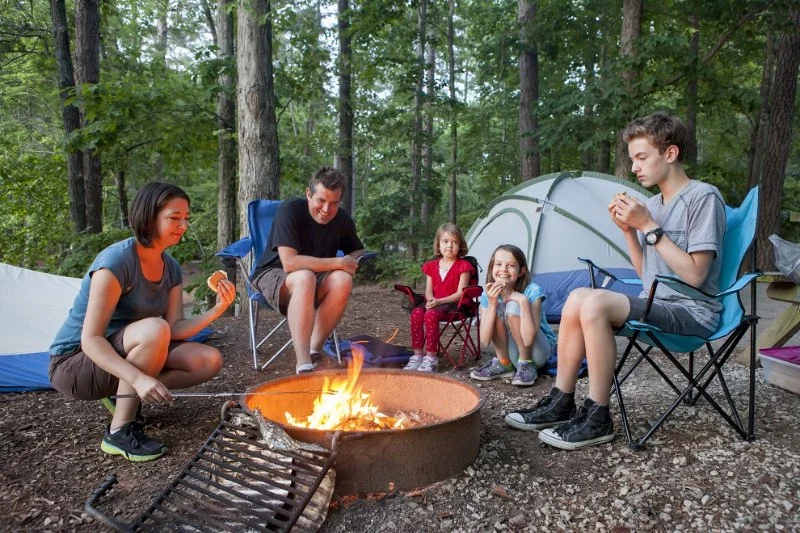
How to Plan a Camping Trip for the Whole Family Without Breaking the Bank
Family camping sounds like one of those perfect, nostalgic experiences—campfires, marshmallows, kids running around under open skies. But anyone who has actually tried it knows it can quietly become expensive if you don’t plan carefully. Between gear, food, campsite reservations, and unexpected “just in case” purchases, the cost can climb fast.
The good news is that a budget family camping trip is absolutely possible without sacrificing comfort or fun. It’s less about cutting corners and more about making smart choices that keep the experience enjoyable and affordable at the same time.

Understanding What You’re Actually Spending On
Before anything else, it helps to break down where money usually goes on a camping trip. Many families underestimate this part and only realize later that small expenses add up quickly.

Core Cost Areas That Shape Your Budget
Most of the spending falls into a few predictable categories: gear, transportation, campsite fees, food, and optional activities. Each one can be controlled with a bit of planning rather than last-minute decisions.
For example, gear doesn’t have to mean buying everything brand new. Many experienced campers borrow, rent, or reuse items from past trips. Transportation costs can also vary depending on how far you travel and whether you choose a remote or nearby campsite.
Why Early Planning Saves Real Money
Families who plan early tend to spend significantly less because they avoid impulse purchases. Waiting until the last minute often leads to buying overpriced items at convenience stores near campgrounds. That’s where budgets quietly break down.
One family from Oregon shared how they cut their camping expenses nearly in half simply by planning meals and packing everything two weeks in advance instead of the night before. Small timing changes can make a noticeable difference.
Choosing Budget-Friendly Campsites Without Sacrificing Experience
Not all campsites are priced equally. Some offer full amenities like showers and electricity, while others are more basic but much cheaper—or even free in certain public areas.
Balancing Comfort and Cost
If you’re camping with kids, comfort matters. However, comfort doesn’t always require expensive facilities. A well-maintained basic site can offer everything a family needs for a great experience: clean space, safe surroundings, and access to nature.
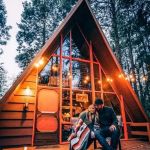
This is where resources like Camping Cabins can help families discover affordable stays that still offer a cozy and secure environment when traditional camping feels like too much for younger kids.
Hidden Gems Most Families Overlook
State parks, lesser-known forest areas, and off-peak season bookings often provide surprisingly low rates. Many families overlook these options simply because they’re less advertised.
For example, a popular trend in recent years has been “weekday camping,” where families avoid weekend rush pricing. Not only is it cheaper, but campsites are also quieter and more relaxing.
Smart Gear Choices That Don’t Drain Your Wallet
Gear is usually the biggest upfront cost, but it’s also where you have the most control. You don’t need premium equipment for a memorable trip—you need reliable essentials.
What You Actually Need vs What You Think You Need
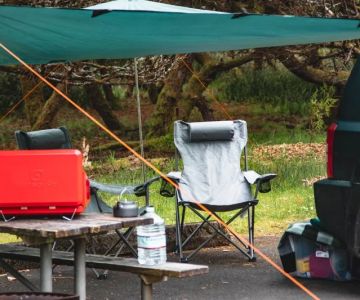
Many first-time campers overbuy. Extra gadgets, oversized cooking setups, and specialty tools often go unused. A simple tent, sleeping bags, a cooking stove, and basic lighting are usually enough.
Experienced campers often recommend starting minimal and upgrading only after a few trips, once you know your real needs.
Borrowing, Renting, and Sharing Equipment
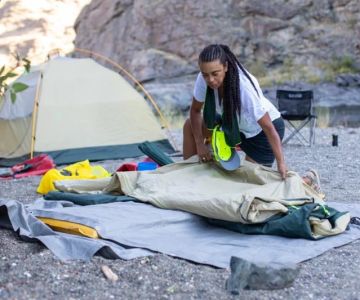
One practical way to reduce costs is borrowing gear from friends or renting items like larger tents or cooking setups. Some outdoor stores even offer weekend rental packages at a fraction of the purchase price.
This approach is especially useful for families trying camping for the first time. It reduces risk while keeping costs low.
Food Planning That Keeps Everyone Happy and Costs Low
Food is one of the most underestimated expenses on a camping trip. Without planning, families often end up buying fast, expensive, and less healthy options on the road.
Simple Meal Strategy for Families
The key is simplicity. One-pot meals, pre-prepared ingredients, and snacks that don’t require refrigeration can make a huge difference. Think pasta, rice bowls, sandwiches, and grilled basics instead of complex recipes.
Prepping meals at home before leaving also saves time at the campsite and reduces waste.
A Real Camping Story: Learning the Hard Way
A family from Texas once shared their first camping experience where they brought too much perishable food without proper storage. By the second day, half of it had gone to waste, and they had to buy replacements nearby at double the price.
On their next trip, they prepared everything in labeled containers, planned meals day by day, and brought only what they needed. Their total food cost dropped significantly, and the trip felt far more relaxed.
Making the Trip Fun Without Expensive Activities
Camping doesn’t need paid attractions to be memorable. Nature itself becomes the entertainment when approached creatively.
Free Activities That Keep Kids Engaged
Hiking trails, scavenger hunts, storytelling around the fire, and stargazing are all free yet meaningful activities. These experiences often become the most memorable parts of the trip.
Parents often find that once kids disconnect from screens, they naturally engage more with their surroundings.
Building Traditions Instead of Spending More
Some families create small camping traditions—like cooking the same breakfast every trip or writing a short “camp journal.” These habits build emotional value without adding cost.
Managing Unexpected Costs Without Stress
No matter how well you plan, unexpected expenses can appear. A broken tent zipper, forgotten supplies, or sudden weather changes can require quick decisions.
Preparing a Flexible Budget Buffer
A smart approach is setting aside a small emergency buffer within your camping budget. This prevents stress if something unexpected happens and avoids cutting into essential spending.
Families who adopt this habit tend to enjoy their trips more because they’re not constantly worried about small surprises.
Learning From Real-World Camping Adjustments
One well-known camping community story involved a family whose cooler failed during a summer trip. Instead of ending the trip early, they adapted by switching to dry foods and local fresh produce from a nearby town, turning a problem into a simple solution.
Turning Budget Camping Into a Lifestyle, Not a One-Time Trip
Once families realize that camping can be affordable, it often becomes a recurring activity rather than a rare event. The more frequently you camp, the more efficient and cost-effective each trip becomes.
Over time, families build reusable kits, refine their packing lists, and discover their favorite low-cost destinations. This is where resources like Camping Cabins become useful again, helping families find comfortable and affordable stays as part of their growing outdoor routine.
The goal isn’t just to save money—it’s to create experiences that feel rich in memory rather than expense. With thoughtful planning, even a simple weekend outdoors can feel like a meaningful escape without financial stress.

 Adventure Bound Camping Resorts - Cape May3.0 (506 reviews)
 ABC Home Sales - Green Hill1.0 (5 reviews)
 Chips Folly Family Campground4.0 (91 reviews)
 Lakeside Village Mobile Home4.0 (14 reviews)
 Holly Green Camping Grounds4.0 (47 reviews)
 Batona Campground4.0 (55 reviews)
 Why Winter is the Best Time for a Camping Cabin Getaway
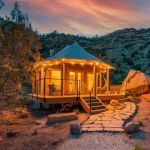 Best Remote Camping Cabins for Stargazing and Night Adventures in the U.S.
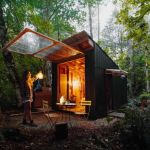 The 10 Must-Have Amenities for a Comfortable Stay in Your Camping Cabin
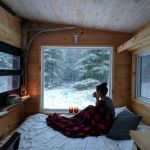 Winter Camping Cabins: How to Stay Cozy and Warm in the Cold
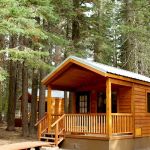 Best Camping Cabins with Stunning Views of National Parks and Forests
 How to Create the Ultimate Outdoor Experience with a Camping Cabin