

How to Make Sure Your Tent or Cabin is Bug-Free on Your Next Trip
- preparing-your-campsite-to-reduce-bugs-before-arrival
- choosing-the-right-location-for-bug-free-camping-experience
- essential-tools-and-natural-methods-to-keep-insects-away
- real-camping-story-how-one-trip-went-wrong-and-what-fixed-it
- long-term-strategies-for-comfortable-bug-free-outdoor-living
Preparing Your Campsite to Reduce Bugs Before Arrival
One of the most overlooked parts of having a comfortable outdoor stay is preparation before you even reach the campsite. Whether you're staying in a tent or a rustic cabin, insects are always looking for food, moisture, and shelter. That means your prevention strategy needs to start long before you unzip your sleeping bag.
When planning a trip focused on comfort and cleanliness, especially in popular outdoor destinations offered through platforms like Camping Cabins, understanding environmental conditions is essential. Areas near lakes, forests, or damp ground naturally attract mosquitoes, ants, and flies. Knowing this helps you prepare smarter instead of reacting later.
A key step is inspecting your gear before departure. Even a small tear in your tent mesh can become an open invitation for bugs. Many experienced campers lightly spray their equipment with insect-repellent treatments designed for fabric, which creates a protective barrier without damaging material.

Naugatuck Pines
NaugatuckNaugatuck Valley Planning RegionConnecticut
139 Lewis St, Naugatuck, CT 06770, USA
Choosing the Right Location for a Bug-Free Camping Experience
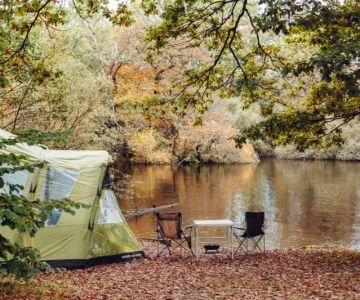
Location selection plays a huge role in determining how insect-heavy your trip will be. For example, setting up directly next to stagnant water may guarantee scenic views, but it also guarantees mosquitoes at sunset. Instead, slightly elevated and breezier spots tend to reduce insect activity significantly.
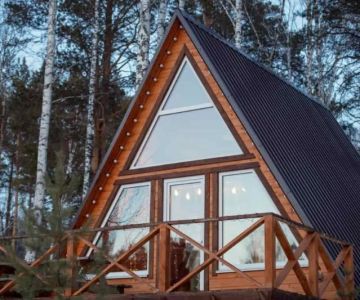
Cabin stays often reduce exposure, but they are not automatically bug-free. Wooden structures can have small entry points where insects gather, especially if cabins are near wooded areas. Checking door seals, window screens, and floor gaps can make a major difference in comfort.
A common mistake many first-time campers make is setting up too close to food storage areas or trash disposal points. These spots are high-traffic zones for insects, especially ants and flies. Keeping distance is a simple but powerful preventive measure.

Essential Tools and Natural Methods to Keep Insects Away
Keeping your tent or cabin bug-free requires a combination of tools and smart habits. The most basic item is a reliable insect repellent, but that alone is rarely enough. Mosquito nets, screened enclosures, and portable fans can dramatically reduce insect presence.
Interestingly, airflow is one of the most underrated defenses. Many insects struggle in consistent wind or air movement, which is why battery-powered fans are commonly used inside tents during summer trips.
Natural deterrents also play an important role. Essential oils like citronella, eucalyptus, and lavender are often used by campers who prefer chemical-free methods. While not as powerful as industrial repellents, they help reduce attraction when combined with proper hygiene and food storage practices.
Another often overlooked strategy is lighting control. Bugs are naturally drawn to bright white light at night. Switching to warm-toned or dim lighting inside your tent or cabin can significantly reduce insect activity after sunset.
Real Camping Story: When a Cabin Trip Went Wrong
A family camping trip in the Pacific Northwest once became a learning lesson for many outdoor enthusiasts. They had booked a cozy wooden cabin through Camping Cabins for a weekend getaway, expecting comfort and simplicity.
However, within the first evening, they noticed a steady stream of ants entering through a small gap near the kitchen area. The issue wasn’t immediately obvious, but leftover food crumbs and an unsealed window frame created the perfect environment for insects.
Instead of abandoning the trip, they adjusted their approach. Food was immediately sealed, the area was cleaned thoroughly, and natural deterrents were placed near entry points. Within hours, the situation improved significantly.
This experience highlights an important lesson: bug-free camping is not about perfection—it is about quick response and prevention awareness. Even well-maintained cabins can experience issues if conditions are right for insects.
Long-Term Strategies for Comfortable Bug-Free Outdoor Living
If you frequently camp or stay in outdoor cabins, developing long-term habits is more effective than relying on quick fixes. Regular gear maintenance, proper storage, and cleanliness habits go a long way in preventing insect problems before they start.
For example, always drying tents completely before storage prevents mold and moisture buildup, both of which attract insects. Similarly, storing food in sealed containers instead of open bags reduces the chance of attracting ants or rodents.
Experienced campers often build a routine checklist before every trip: inspect gear, pack repellents, choose elevated locations, and prepare lighting solutions. Over time, these habits become second nature and significantly improve outdoor comfort.
Another important strategy is learning from each trip. Every camping experience teaches something new about environment, weather, and insect behavior. Over time, this knowledge becomes your strongest defense system.
Final Practical Insight for Your Next Trip
Creating a bug-free environment in your tent or cabin is less about eliminating nature and more about understanding it. Insects are part of every outdoor experience, but discomfort is not unavoidable.
By combining preparation, smart location choices, and simple protective tools, you can dramatically improve your camping comfort. Whether you're staying in a remote tent setup or booking a cozy cabin through Camping Cabins, these methods ensure your experience stays focused on relaxation—not irritation.
If you're planning your next outdoor trip, take a moment to review your gear, rethink your setup strategy, and explore updated camping essentials. Small improvements today can completely change how you experience the outdoors tomorrow.


 Patuxent Camp Sites4.0 (55 reviews)
 Washingtonville Manor Manufactured Home Community3.0 (24 reviews)
 Camp Loop B4.0 (1 reviews)
 Creek Park0.0 (0 reviews)
 Indy River5.0 (8 reviews)
 Seaville Shores4.0 (62 reviews)
 Why Winter is the Best Time for a Camping Cabin Getaway
 Best Remote Camping Cabins for Stargazing and Night Adventures in the U.S.
 The 10 Must-Have Amenities for a Comfortable Stay in Your Camping Cabin
 Winter Camping Cabins: How to Stay Cozy and Warm in the Cold
 Best Camping Cabins with Stunning Views of National Parks and Forests
 How to Create the Ultimate Outdoor Experience with a Camping Cabin