
- Understanding the Challenges of Extreme Weather Camping
- Planning Ahead for Weather-Related Risks
- Choosing the Right Shelter for Protection
- Layering Clothing for Changing Conditions
- Staying Cool During Intense Heat
- Keeping Warm in Freezing Temperatures
- Managing Rain Wind and Humidity
- Food Water and Energy Management
- Real World Camping Lessons from Extreme Conditions
- Gear Recommendations for a More Comfortable Experience
Understanding the Challenges of Extreme Weather Camping
Many people imagine camping as a peaceful weekend filled with campfires, clear skies, and scenic views. Reality can be very different. Temperatures can soar above 100°F in desert regions, drop below freezing in mountain environments, or shift dramatically within a single day. Understanding how to stay comfortable while camping in extreme weather conditions begins with recognizing that nature is unpredictable.
Extreme weather camping presents unique challenges that go beyond simple discomfort. Heat exhaustion, hypothermia, dehydration, strong winds, and unexpected storms can turn a relaxing trip into a stressful experience. Experienced campers understand that comfort is closely tied to preparation. The more prepared you are, the more enjoyable your adventure becomes.
Many outdoor enthusiasts have stories about weather changing unexpectedly. A camper may begin a trip in sunny weather only to encounter freezing rain overnight. Another may plan for cool temperatures and face a sudden heat wave. These experiences demonstrate why flexibility and preparation are essential.

Why Comfort Matters
Comfort is not merely about convenience. It directly affects sleep quality, energy levels, decision-making, and overall safety. When campers remain comfortable, they are more likely to enjoy the experience and less likely to make mistakes caused by fatigue or stress.

Crescent Mobile Home Park LLC
Gloucester CityCamden CountyNew Jersey
1400 Crescent Blvd, Gloucester City, NJ 08030, USA
Building Confidence Through Preparation
Confidence comes from knowing that you have the equipment, knowledge, and skills needed to handle changing conditions. Whether camping in snow-covered mountains or scorching deserts, preparation creates peace of mind.
Planning Ahead for Weather-Related Risks
Successful camping trips begin long before arriving at the campsite. One of the most effective ways to stay comfortable while camping in extreme weather conditions is thorough planning.
Researching Seasonal Conditions
Different regions experience unique weather patterns. Mountain locations may have cold nights even during summer. Coastal regions often experience strong winds and sudden rain. Desert environments can produce extreme temperature swings between day and night.
Before leaving home, research:
1. Average Daytime Temperatures
Understanding typical daytime highs helps determine clothing needs and hydration requirements.
2. Overnight Temperature Drops
Nighttime temperatures often surprise inexperienced campers. A warm afternoon does not guarantee a comfortable evening.
3. Historical Weather Patterns
Looking at weather trends over several years provides a realistic picture of possible conditions.
Creating Backup Plans
Professional outdoor guides often prepare multiple contingency plans. If severe weather develops, having alternative campsites, evacuation routes, or nearby shelters can significantly reduce risk.
Choosing the Right Shelter for Protection
Your shelter serves as your primary defense against the elements. Choosing the wrong tent can make even mild weather uncomfortable.
Selecting a Tent for Extreme Conditions
Four-season tents are designed for harsh environments. They offer stronger poles, reinforced materials, and improved stability during storms. While heavier than standard tents, they provide significantly better protection.
Benefits of Four-Season Shelters
These shelters resist strong winds, handle snow accumulation, and maintain structural integrity during adverse weather.
Ventilation Considerations
Many campers overlook ventilation. Proper airflow reduces condensation and improves sleeping comfort, especially during humid conditions.
Site Selection Matters
Even the best tent cannot compensate for a poor campsite location. Experienced campers look for:
- Natural windbreaks
- Elevated ground above potential flooding
- Shade during hot weather
- Protection from falling branches
Choosing the right location can improve comfort more than expensive gear alone.
Layering Clothing for Changing Conditions
One of the most valuable outdoor skills is learning how to layer clothing effectively.
The Three-Layer System
1. Base Layer
The base layer manages moisture. Synthetic fabrics and merino wool are excellent choices because they move sweat away from the skin.
2. Insulation Layer
Fleece jackets, down insulation, and synthetic insulated garments trap body heat while remaining breathable.
3. Outer Shell Layer
The outer shell protects against wind, rain, and snow while allowing moisture to escape.
A Real-Life Example
A backpacker crossing Oregon's Cascade Range described experiencing temperatures near 80°F during the afternoon and 30°F overnight. By adjusting layers throughout the day, he remained comfortable without carrying excessive clothing.
This example highlights why layering remains one of the best camping strategies available.
Staying Cool During Intense Heat
Hot weather camping presents unique challenges. Excessive heat affects sleep, hydration, and physical performance.
Prioritizing Shade
Setting up camp beneath trees or using reflective tarps significantly reduces heat exposure. Shade can lower perceived temperatures by several degrees.
Hydration Strategies
Drink Before You Feel Thirsty
Thirst often appears after dehydration has already begun. Consistent hydration helps maintain energy and comfort.
Use Electrolytes
Water alone may not replace minerals lost through sweating. Electrolyte supplements can improve hydration effectiveness.
Managing Activity Levels
Many experienced campers schedule strenuous activities during early morning and late evening. Midday hours are often reserved for rest and shade.
Sleeping Comfort in Heat
Lightweight sleeping bags, breathable tents, and battery-powered fans can dramatically improve sleeping conditions during hot nights.
Keeping Warm in Freezing Temperatures
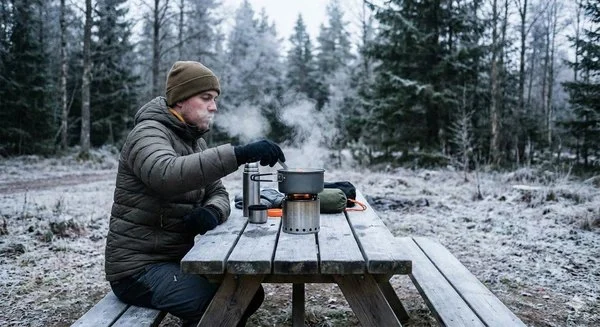
Cold weather camping requires a completely different approach. Staying warm depends on retaining body heat while minimizing moisture.
Choosing the Right Sleeping System
Sleeping Bag Ratings
Select a sleeping bag rated below expected temperatures. Many campers underestimate how cold they will feel overnight.
Sleeping Pads Matter
The ground absorbs body heat rapidly. Insulated sleeping pads create a barrier that significantly improves warmth.
Nighttime Heat Retention
Changing into dry clothing before bed prevents moisture from cooling the body. Warm socks, insulated hats, and proper layering can improve sleep quality substantially.
A Winter Camping Story
A group of campers in Colorado experienced temperatures dropping below 10°F unexpectedly. Those with insulated sleeping pads and layered clothing slept comfortably, while others struggled despite having expensive sleeping bags. The lesson was clear: a complete sleep system matters more than a single piece of equipment.
Managing Rain Wind and Humidity
Rain and wind often create greater discomfort than temperature alone.
Protecting Gear from Moisture
Waterproof storage bags, dry sacks, and sealed containers help keep clothing and equipment dry. Even small amounts of moisture can significantly reduce comfort.
Creating Covered Outdoor Spaces
Many experienced campers use tarps to create sheltered cooking and gathering areas. This allows activities to continue despite rain.
Wind Management Techniques
Positioning the Tent Correctly
Facing the narrow end of a tent into prevailing winds reduces stress on the structure.
Using Natural Barriers
Trees, hills, and rock formations can provide valuable protection from strong gusts.
Humidity Challenges
High humidity reduces the body's ability to cool itself. Proper ventilation becomes even more important in humid climates.
Food Water and Energy Management
Comfort depends heavily on nutrition and hydration.
Eating for Cold Weather
High-calorie foods help the body generate heat. Warm meals can provide both physical and psychological comfort during cold conditions.
Eating for Hot Weather
Lighter meals reduce metabolic heat production and improve comfort. Fruits, vegetables, and hydrating snacks work particularly well.
Water Storage Strategies
Extreme temperatures affect water availability. In freezing weather, water containers may freeze. In hot climates, water consumption increases dramatically.
Experienced campers often carry more water than they expect to need and use multiple storage methods for redundancy.
Real World Camping Lessons from Extreme Conditions
Some of the most valuable camping knowledge comes from real experiences.
The Desert Heat Wave Experience
A family camping in Arizona encountered temperatures exceeding forecasts by nearly 15 degrees. Their reflective tarp system, cooling towels, and disciplined hydration schedule allowed them to remain comfortable despite challenging conditions.
The Mountain Storm Lesson
Campers in the Pacific Northwest experienced an unexpected windstorm that lasted nearly twelve hours. Their success came from proper tent placement, reinforced guylines, and keeping backup dry clothing protected inside waterproof bags.
The Importance of Adaptability
These stories share a common lesson: flexibility matters. Campers who adapt quickly to changing conditions consistently report more enjoyable experiences.
Gear Recommendations for a More Comfortable Experience
While skills and preparation remain essential, quality equipment can significantly improve comfort.
Essential Equipment Categories
1. Weather-Appropriate Shelter
Investing in a durable tent designed for expected conditions provides long-term value and reliability.
2. Quality Sleep System
A sleeping bag, insulated pad, and supportive pillow create the foundation for restful sleep.
3. Layered Clothing System
Versatile clothing allows adaptation to changing weather without carrying excessive weight.
4. Hydration Solutions
Reliable water storage and filtration systems are critical in both hot and cold environments.
Finding Trusted Camping Resources
Many outdoor enthusiasts discover that researching gear before a trip saves money and improves comfort. For those looking to compare camping equipment, weather-resistant shelters, sleeping systems, and outdoor essentials, Camping Cabins can be a valuable resource for finding products and services suited to different camping environments.
Whether you're preparing for desert heat, mountain snow, coastal storms, or unpredictable seasonal changes, learning how to stay comfortable while camping in extreme weather conditions is ultimately about preparation, adaptability, and smart equipment choices. Campers who understand these principles often find that even challenging weather becomes part of the adventure rather than an obstacle to enjoying the outdoors.
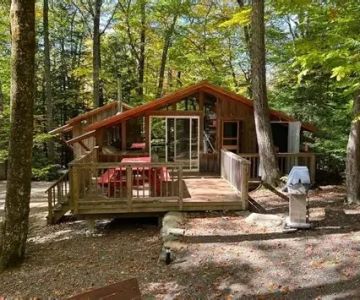
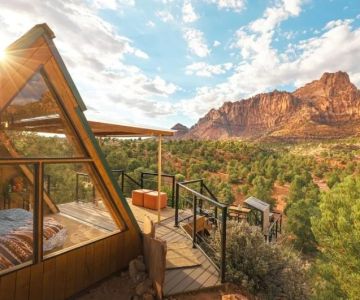
 Bluestone Acres4.0 (6 reviews)
 Tally Ho Estates0.0 (0 reviews)
 YMCA Hallmark Cabin5.0 (2 reviews)
 Muddy Run Park4.0 (301 reviews)
 The Retreat at King Cole Farm4.0 (24 reviews)
 Fellowship Camp4.0 (19 reviews)
 Why Winter is the Best Time for a Camping Cabin Getaway
 Best Remote Camping Cabins for Stargazing and Night Adventures in the U.S.
 The 10 Must-Have Amenities for a Comfortable Stay in Your Camping Cabin
 Winter Camping Cabins: How to Stay Cozy and Warm in the Cold
 Best Camping Cabins with Stunning Views of National Parks and Forests
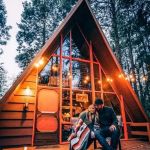 How to Create the Ultimate Outdoor Experience with a Camping Cabin