
- -Choosing-the-right-clothing-and-layering-for-cold-weather-camping
- -Selecting-optimal-sleeping-bags-and-insulation-for-low-temperatures
- -Using-body-heat-and-movement-to-maintain-warmth
- -Setting-up-tents-and-shelters-for-maximum-heat-retention
- -Utilizing-hot-food-and-warm-drinks-to-combat-cold
- -Effective-gear-and-tools-for-camping-in-cold-conditions
- -Safety-precautions-and-health-considerations-in-extreme-cold
- -Practical-case-studies-of-successful-cold-weather-camping
- -Integrating-natural-insulation-and-environmental-factors
- -Where-to-find-resources-and-products-for-cold-weather-camping
1. Choosing the Right Clothing and Layering for Cold Weather Camping
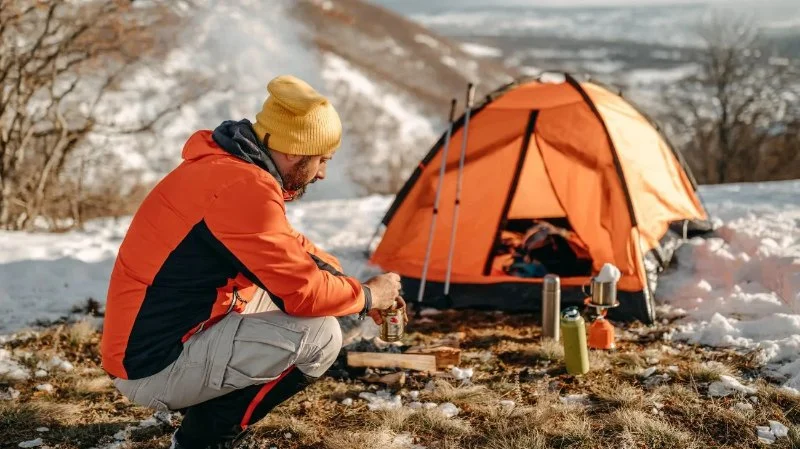
Proper clothing is the first line of defense against the cold. Layering is essential for retaining body heat while allowing mobility. Start with moisture-wicking base layers to keep skin dry, followed by insulating mid-layers like fleece or down, and finish with a windproof and water-resistant outer layer. Accessories such as thermal socks, gloves, and hats are crucial to prevent heat loss from extremities.
Avoid cotton, which traps moisture and can accelerate heat loss. Instead, use synthetic or wool-based fabrics for both comfort and warmth.

Shellbay Campground
Middle TownshipCape May CountyNew Jersey
227 W Shell Bay Ave, Cape May Court House, NJ 08210, USA
2. Selecting Optimal Sleeping Bags and Insulation for Low Temperatures
A high-quality sleeping bag rated for temperatures below expected lows is essential. Mummy-shaped sleeping bags conserve heat more efficiently than rectangular ones. Adding a sleeping pad underneath creates insulation from the cold ground. For extreme conditions, consider an additional liner inside the bag for extra warmth.
Sleeping with dry clothing, including socks and thermal underwear, ensures heat retention overnight. Compressing your sleeping bag too tightly can reduce insulation effectiveness, so maintain proper loft.

3. Using Body Heat and Movement to Maintain Warmth
Staying active generates body heat, which is critical when electricity is unavailable. Short exercises, such as jumping jacks or brisk walks, can raise core temperature before entering the tent. Cuddling or sharing sleeping spaces can also help retain warmth, particularly for couples or family groups. However, avoid sweating excessively, as damp clothing leads to rapid cooling.
4. Setting Up Tents and Shelters for Maximum Heat Retention
Choose sheltered locations to reduce wind exposure. Use a tent with low ventilation during extreme cold, but maintain minimal airflow to prevent condensation. Adding a reflective tarp or emergency blanket over the tent floor and walls can help trap heat. Snow walls or natural windbreaks can further enhance warmth without electricity.
5. Utilizing Hot Food and Warm Drinks to Combat Cold
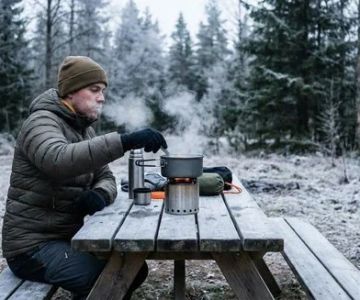
Consuming hot meals and beverages raises body temperature and provides energy for thermoregulation. Prepare high-calorie meals that are easy to heat over a camping stove or fire. Warm liquids, such as tea or broth, are effective for internal heat and hydration. Avoid alcohol, as it impairs the body’s ability to retain heat.
6. Effective Gear and Tools for Camping in Cold Conditions
- Insulated water bottles to prevent freezing
- Portable camping stoves for cooking hot meals
- Emergency blankets and reflective sleeping pads
- Hand warmers and thermal packs for extremities
- Windproof tents and snow anchors for stability
7. Safety Precautions and Health Considerations in Extreme Cold
Hypothermia and frostbite are the most significant risks when camping in cold conditions. Know the warning signs: shivering, numbness, and disorientation. Keep first aid supplies handy, including thermal blankets and chemical heat packs. Avoid prolonged exposure to wet or damp clothing, as it increases the risk of hypothermia.
8. Practical Case Studies of Successful Cold-Weather Camping
A group of campers in Colorado managed sub-zero conditions without electricity by following strict layering routines, using insulated sleeping pads, and cooking warm meals. They reported consistent core warmth throughout the night and minimized energy loss by organizing tents close to natural windbreaks.
Another case involved solo winter camping in northern Maine. The camper used multiple thin layers, hot drinks, and periodic movement exercises to maintain warmth. By prioritizing insulation and preparation, the camper safely stayed overnight in temperatures below -5°C.
9. Integrating Natural Insulation and Environmental Factors
Leverage natural materials like pine needles, leaves, or snow for insulation around the tent or under sleeping pads. These resources help reduce heat loss to the ground and provide additional comfort. Be mindful of moisture in these materials to avoid dampness, which can counteract insulation benefits.
10. Where to Find Resources and Products for Cold-Weather Camping
For high-quality camping gear, including sleeping bags, thermal clothing, and portable stoves, visit Camping Cabins. The site provides curated products and expert advice for cold-weather enthusiasts, ensuring campers remain safe, warm, and comfortable even without electricity.
By combining strategic layering, proper sleeping arrangements, active heat management, and the use of hot meals, anyone can enjoy camping in the cold without relying on electricity. Visit Camping Cabins to explore recommended products and learn advanced tips for extreme cold-weather camping.

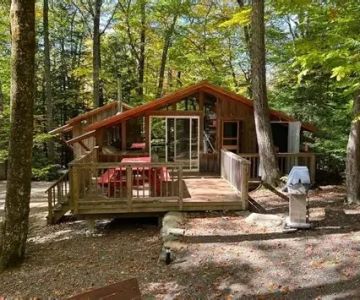
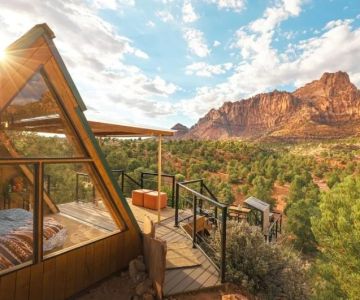
 Bluestone Acres4.0 (6 reviews)
 Tally Ho Estates0.0 (0 reviews)
 YMCA Hallmark Cabin5.0 (2 reviews)
 Muddy Run Park4.0 (301 reviews)
 The Retreat at King Cole Farm4.0 (24 reviews)
 Fellowship Camp4.0 (19 reviews)
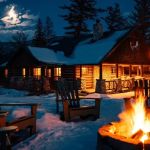 Why Winter is the Best Time for a Camping Cabin Getaway
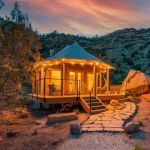 Best Remote Camping Cabins for Stargazing and Night Adventures in the U.S.
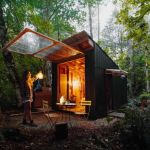 The 10 Must-Have Amenities for a Comfortable Stay in Your Camping Cabin
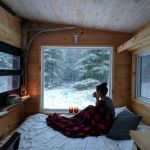 Winter Camping Cabins: How to Stay Cozy and Warm in the Cold
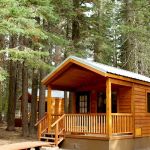 Best Camping Cabins with Stunning Views of National Parks and Forests
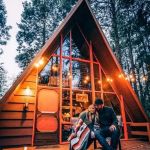 How to Create the Ultimate Outdoor Experience with a Camping Cabin