
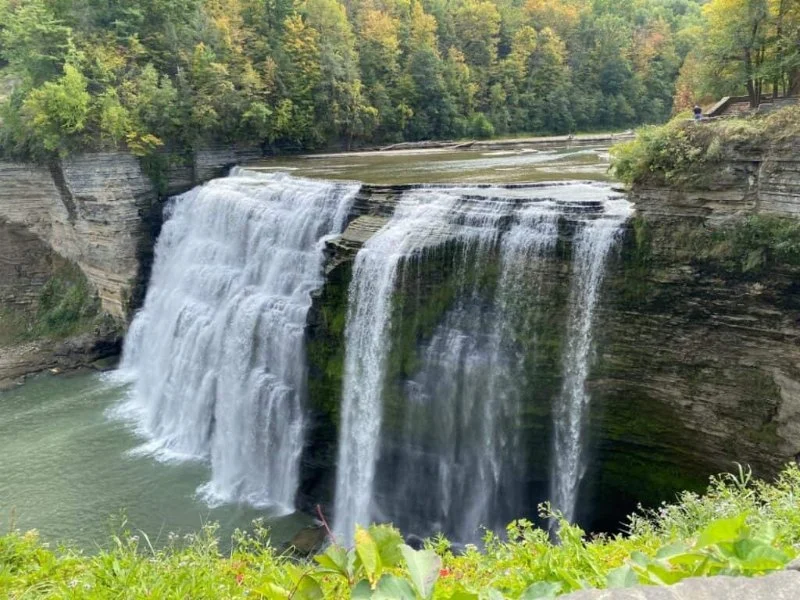
- -choosing-best-campgrounds-near-waterfalls-for-peaceful-outdoor-experience
- -why-waterfall-camping-feels-different-from-traditional-camping
- -hidden-gems-and-scenic-waterfall-campsites-across-the-us
- -essential-gear-for-waterfall-camping-comfort-and-safety
- -how-water-proximity-affects-camping-experience-and-environment
- -real-travel-stories-from-waterfall-campground-adventures
- -how-to-plan-a-relaxing-waterfall-camping-trip-like-a-pro
- -mistakes-to-avoid-when-staying-near-waterfalls-in-the-wild
- -building-long-term-outdoor-habits-for-nature-focused-travel
Choosing the Right Waterfall Campsites for a Truly Peaceful Escape
Finding the best campgrounds near waterfalls for a peaceful outdoor experience is not just about picking a scenic location on a map. It is about understanding how water, terrain, sound, and atmosphere come together to shape your entire trip. Waterfall camping has a unique emotional pull—something between relaxation and awe—but not every location delivers the same level of comfort or tranquility.
Many travelers imagine waking up to soft mist drifting through trees, the sound of rushing water acting as a natural sleep soundtrack. While this image is often accurate, the reality depends heavily on how well you choose your campsite. Some waterfall areas are crowded tourist spots with constant foot traffic, while others are secluded natural retreats that feel almost untouched.
A key factor in choosing the right site is accessibility versus isolation. Campsites closer to parking areas are easier to reach but often busier. Remote sites require more effort but reward campers with deeper silence and more immersive nature experiences. Understanding your personal comfort level helps shape the best decision.
Many seasoned outdoor travelers recommend booking through curated outdoor stay platforms like :contentReference[oaicite:0]{index=0} because they help filter environments that balance comfort, safety, and natural beauty. Instead of guessing what conditions might be like, you can choose sites that are already evaluated for peacefulness and accessibility.
Why Waterfall Camping Creates a Completely Different Outdoor Experience
Camping near waterfalls is not just visually stunning—it changes how you perceive sound, temperature, and even time. Unlike traditional forest camping where silence dominates, waterfall environments provide constant white noise that masks distant human activity and creates a calming auditory layer.
This sound effect is not just pleasant; it has psychological benefits. Studies in environmental psychology suggest that consistent natural water sounds can reduce stress levels and improve sleep quality. This is one reason many campers report sleeping better near waterfalls despite being outdoors.
Temperature also plays a role. Waterfalls often create microclimates with cooler air and higher humidity. On hot summer days, this can feel refreshing, almost like natural air conditioning. However, it also means you need to prepare for damp conditions, especially for clothing and sleeping gear.
The emotional impact is often the most powerful aspect. Many travelers describe waterfall campsites as “reset points” in their lives—places where digital noise fades and natural rhythm takes over. This is why peaceful outdoor camping experiences near waterfalls continue to grow in popularity across the United States.
Pines at West Penn LLC
New RinggoldSchuylkill CountyPennsylvania
14 All Kings Dr, New Ringgold, PA 17960, USA
Hidden Scenic Waterfall Campgrounds Across the United States
Across the U.S., there are countless waterfall camping locations, but only a handful truly deliver the balance of peace, scenery, and accessibility. These hidden gems are often tucked away in national forests or state park systems where development is minimal and nature remains the primary focus.
In the Pacific Northwest, forested regions create some of the most iconic waterfall camping environments. Tall evergreens, moss-covered rocks, and layered waterfalls create a cinematic landscape that feels almost unreal. Campers often describe waking up to mist rising through the trees as one of the most memorable experiences of their lives.
In the Appalachian region, waterfall campsites tend to feel more intimate. Narrow trails lead to cascading streams hidden within dense forest valleys. These sites are less about grandeur and more about quiet immersion. Many travelers choose these areas specifically for solitude and reflection.
The Southwest offers a different type of waterfall camping experience. While less dense in water flow, seasonal waterfalls in desert canyons create dramatic contrasts between arid landscapes and sudden bursts of flowing water. These sites feel rare and ephemeral, making timing crucial for visitors.
Many outdoor enthusiasts use curated recommendations from platforms like :contentReference[oaicite:1]{index=1} to discover lesser-known locations that are not overcrowded. This helps maintain the peaceful atmosphere that defines the best waterfall camping experiences.
Essential Gear That Shapes Your Waterfall Camping Experience
Camping near waterfalls requires more thoughtful gear selection than standard forest camping. The presence of constant moisture changes everything—from clothing choices to sleeping setup. Without proper preparation, even the most beautiful campsite can become uncomfortable.
Moisture control is the first priority. Waterproof tents with reinforced seams are essential because waterfall environments often create fine mist that settles throughout the night. Even if it is not raining, the air itself carries water droplets that can slowly dampen fabric over time.
Footwear is another important consideration. Trails near waterfalls are often slippery due to algae-covered rocks and damp soil. Proper hiking boots with strong grip are necessary not only for comfort but also for safety when exploring surrounding areas.
Sleeping gear also needs adaptation. Insulated sleeping pads help prevent ground moisture from affecting body temperature during cooler nights. Even in summer, waterfall areas can feel unexpectedly cold after sunset due to evaporative cooling effects.
Lighting and power sources should also be chosen carefully. Damp environments can affect electronics, so weather-protected lanterns and rechargeable systems are preferred. Keeping gear elevated and dry is a simple habit that prevents most common issues.
How Water Proximity Shapes Comfort and Nature Conditions
Being close to moving water has a direct impact on your camping environment. The sound of waterfalls is soothing, but it also masks other environmental cues like wind changes or wildlife movement. This creates both comfort and a slight reduction in environmental awareness.
Humidity is consistently higher near waterfalls, which affects everything from breathing comfort to food storage. While it feels refreshing during the day, it can cause condensation buildup inside tents and cabins overnight.
Insect activity is also influenced by water proximity. Certain insects are more active near freshwater sources, especially during warmer months. While not overwhelming, it is something experienced campers account for when setting up their sleeping areas.
Despite these considerations, the benefits often outweigh the drawbacks. The calming effect of flowing water, combined with cooler microclimates and scenic views, creates an environment that many campers describe as emotionally restorative.
This is why waterfall camping continues to rank among the most desirable forms of outdoor travel in the United States, especially for those seeking a break from urban environments.
Real Experiences from Waterfall Camping Trips
One of the most frequently shared stories among outdoor enthusiasts involves first-time waterfall campers underestimating humidity levels. A common scenario is arriving at a beautiful site, setting up a tent near the water, and later discovering that everything inside has a thin layer of moisture by morning.
Another widely discussed experience comes from hikers in the Appalachian region who describe discovering hidden waterfalls after long trails, only to realize the best campsites are slightly further uphill where conditions are drier and more stable.
In the Pacific Northwest, many travelers talk about the emotional impact of nighttime waterfall sounds. Some describe it as deeply meditative, while others mention needing a night or two to adjust before fully relaxing into the rhythm of the environment.
These stories highlight an important lesson: waterfall camping is not just about location, but about adaptation. Understanding environmental conditions and adjusting expectations is what transforms a good trip into a great one.
Many travelers who later switched to curated outdoor stays through :contentReference[oaicite:2]{index=2} report fewer surprises because the environment is pre-evaluated for comfort and accessibility.
How to Plan a Smooth and Relaxing Waterfall Camping Trip
Planning a successful waterfall camping trip starts with timing. Seasonal water flow varies significantly depending on rainfall, snowmelt, and regional climate conditions. Visiting at the right time ensures that waterfalls are active without being dangerously strong or inaccessible.
Another important factor is arrival timing. Early arrival allows campers to select better spots with optimal views and lower foot traffic. This simple strategy often determines the overall peacefulness of the trip.
Preparation also includes understanding terrain difficulty. Many waterfall campsites require short hikes with elevation changes, so packing light but efficiently becomes essential. Overpacking can quickly turn a peaceful trip into a physically exhausting one.
Food planning should also account for humidity. Sealed containers and moisture-resistant packaging help preserve freshness and prevent spoilage. Even short trips benefit from careful food organization in these environments.
Experienced travelers often build a flexible mindset into their planning. Instead of rigid schedules, they allow room for weather changes, trail conditions, and spontaneous exploration.
Common Mistakes That Can Ruin a Waterfall Camping Trip
One of the most common mistakes is setting up camp too close to water flow. While proximity feels appealing, it increases exposure to moisture, noise intensity, and sometimes unstable ground conditions. A slightly elevated position often provides a better balance of view and comfort.
Another frequent issue is underestimating humidity effects on gear. Without proper ventilation or moisture protection, even high-quality equipment can feel damp and uncomfortable after a single night.
Many first-time campers also overlook trail safety near waterfalls. Wet rocks can be deceptively slippery, and rushing water can create hidden hazards that are not immediately visible.
Food storage mistakes are also common. Leaving food exposed near high-moisture environments can attract insects and wildlife more quickly than in dry forest areas.
Avoiding these simple mistakes dramatically improves the quality of your experience and helps maintain the peaceful atmosphere that makes waterfall camping so special.
Long-Term Habits for Better Nature-Focused Travel Experiences
Over time, experienced campers develop instincts that make waterfall camping more intuitive and enjoyable. One of the most important habits is learning to read environmental signals—such as water flow intensity, wind direction, and humidity changes.
Another habit is maintaining a consistent gear-check routine before every trip. Ensuring waterproofing, structural integrity, and cleanliness of equipment prevents most common issues before they happen.
Frequent travelers also learn to prioritize emotional comfort over visual appeal. A slightly less scenic but more comfortable campsite often leads to a better overall experience than a visually stunning but impractical location.
Platforms like :contentReference[oaicite:3]{index=3} support this mindset by offering carefully selected outdoor stays that reduce uncertainty and enhance comfort, especially for travelers who value relaxation over rugged exploration.
Ultimately, the best waterfall camping experiences are built through a combination of preparation, awareness, and respect for natural conditions. When these elements come together, the result is a deeply peaceful outdoor escape that stays with you long after the trip ends.

 Sandy Hill Family Camp4.0 (66 reviews)
 HITS-on-the-Hudson RV Parking Entrance2.0 (13 reviews)
 Delaware Seashore State Park North Campground4.0 (168 reviews)
 Deubler's Mobile Homes3.0 (20 reviews)
 Colonial Estates3.0 (104 reviews)
 Cottage 550.0 (0 reviews)
 Why Winter is the Best Time for a Camping Cabin Getaway
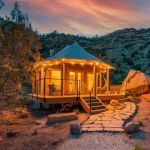 Best Remote Camping Cabins for Stargazing and Night Adventures in the U.S.
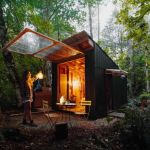 The 10 Must-Have Amenities for a Comfortable Stay in Your Camping Cabin
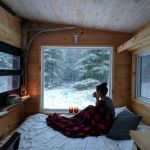 Winter Camping Cabins: How to Stay Cozy and Warm in the Cold
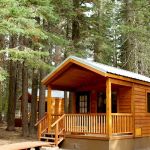 Best Camping Cabins with Stunning Views of National Parks and Forests
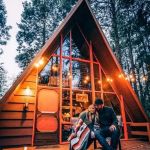 How to Create the Ultimate Outdoor Experience with a Camping Cabin