
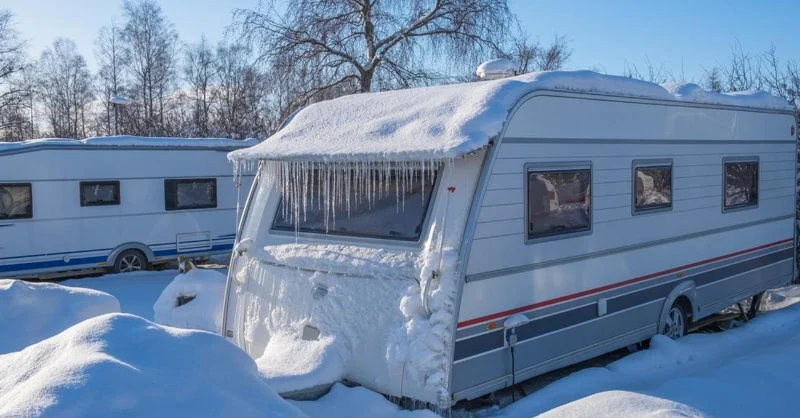
RV Winterization Steps to Prevent Damage from Freezing Temperatures
- 1- Why Winterization is Essential for Your RV
- 2- Step-by-Step Guide to Winterizing Your RV
- 3- Important Areas to Focus on During Winterization
- 4- Common Mistakes to Avoid During RV Winterization
- 5- How to Properly Store Your RV During Winter
- 6- Real-Life Example: Successful RV Winterization
- 7- Conclusion
1- Why Winterization is Essential for Your RV
Winterizing your RV is a crucial step in protecting your vehicle from the harsh effects of freezing temperatures. When temperatures drop, water inside your RV's plumbing system, tanks, and pipes can freeze and expand, causing cracks and leaks. These damages can be expensive to repair, and in some cases, they may require replacing parts of your RV altogether. Proper winterization prevents these issues and ensures your RV is ready to hit the road as soon as warmer weather arrives.

Robert C McDonell Campground
RockvilleMontgomery CountyMaryland
7701 Tuckerman Ln, Rockville, MD 20854, USA
2- Step-by-Step Guide to Winterizing Your RV
Winterizing your RV doesn’t have to be a complicated process, but it does require attention to detail. Here’s a step-by-step guide to help you prepare your RV for the cold season:
- Step 1: Drain the Water System - Begin by draining the fresh water tank, all pipes, and the water heater. This ensures that no water is left in the system, which could freeze and cause damage.
- Step 2: Add Antifreeze - Use RV antifreeze to protect your plumbing system. Make sure to add the antifreeze to the fresh water tank, the water pump, and all drains.
- Step 3: Clean and Protect the Exterior - Clean the exterior of your RV thoroughly, including windows, tires, and roof. Apply a protective cover to prevent damage from snow, ice, and harsh winter elements.
- Step 4: Disconnect the Batteries - Disconnect your RV’s batteries to prevent them from draining over the winter. Store them in a cool, dry place for the best results.
- Step 5: Seal All Vents and Windows - Check for any gaps in your RV's seals around windows, doors, and vents. Apply weatherstripping to ensure that cold air doesn’t enter and damage your RV.
By following these steps, you will be able to avoid common issues related to freezing temperatures and ensure your RV remains in good condition.
3- Important Areas to Focus on During Winterization
While all areas of your RV are important to winterize, certain components require extra attention to prevent freezing and potential damage:
- Plumbing System: The plumbing system is one of the most vulnerable areas to freezing temperatures. Make sure to drain the system and add antifreeze to prevent pipe bursts.
- Water Heater: Flush the water heater to remove any remaining water, and add antifreeze to protect it from freezing.
- Roof and Seals: The roof is exposed to harsh weather, so check for cracks or tears. Seal any openings to prevent water leaks or snow accumulation.
- Tires: Cold temperatures can cause tire pressure to drop. Inflate your tires to the correct pressure and cover them with tire covers to protect them from UV rays and the elements.
4- Common Mistakes to Avoid During RV Winterization
Many RV owners make common mistakes during the winterization process that can lead to damage or unnecessary repairs. Here are some mistakes to avoid:
- Not Draining the Water System Completely: Leaving even a small amount of water in the pipes or tanks can cause freezing and cracking. Make sure everything is fully drained.
- Using Automotive Antifreeze: Always use antifreeze specifically designed for RVs. Automotive antifreeze can be toxic and is not safe for RV plumbing systems.
- Skipping the Battery Care: Don’t forget to disconnect and store your RV’s batteries properly. Leaving them in the RV can cause them to drain or freeze.
- Ignoring Ventilation: While it’s important to seal the RV to keep cold air out, ensure there is still some ventilation to avoid mold and mildew buildup.
Avoiding these mistakes can save you time, money, and prevent potential headaches when you’re ready to use your RV again.
5- How to Properly Store Your RV During Winter
Properly storing your RV during winter is just as important as winterizing it. Here’s how you can ensure your RV stays in top shape during the off-season:
- Find a Covered Storage Spot: If possible, store your RV in a covered or indoor space to protect it from snow, ice, and extreme weather.
- Use a High-Quality RV Cover: Invest in a good-quality RV cover to shield your vehicle from dirt, debris, and harsh winter conditions.
- Check Your RV Periodically: Even in storage, it’s important to periodically check your RV for any signs of damage or moisture buildup.
By storing your RV in the right conditions, you will reduce the risk of winter-related damages and extend the lifespan of your vehicle.
6- Real-Life Example: Successful RV Winterization
Meet Mike, an experienced RV owner who learned the importance of winterizing his RV the hard way. Last year, Mike forgot to properly drain his RV’s water system, resulting in cracked pipes and costly repairs. This year, he made sure to follow a detailed winterization checklist, including draining the water system, adding antifreeze, and covering his RV with a high-quality protective cover. Mike’s RV was ready to go once the warm weather returned, and he avoided the costly mistakes he made in the past. His story highlights how careful preparation can save you time and money in the long run.
7- Conclusion
Winterizing your RV is a vital step in protecting your investment from freezing temperatures and preventing costly damages. By following the proper winterization steps, focusing on key areas such as plumbing, seals, and tires, and avoiding common mistakes, you can ensure your RV is ready for use when the temperatures rise again. Taking the time to winterize your RV properly will give you peace of mind during the colder months and help you avoid expensive repairs in the future.
If you’re preparing for your next RV adventure, visit Camping Cabins for the best camping gear and accessories to complement your RV trips.


 Ecology Village4.0 (16 reviews)
 Pine Cone Resort3.0 (268 reviews)
 Ponderosa Campground4.0 (470 reviews)
 Vernon Village Inc4.0 (53 reviews)
 Riverwoods Mobile Home Community3.0 (88 reviews)
 Harding Woods3.0 (137 reviews)
 Why Winter is the Best Time for a Camping Cabin Getaway
 Best Remote Camping Cabins for Stargazing and Night Adventures in the U.S.
 The 10 Must-Have Amenities for a Comfortable Stay in Your Camping Cabin
 Winter Camping Cabins: How to Stay Cozy and Warm in the Cold
 How to Create the Ultimate Outdoor Experience with a Camping Cabin
 Best Camping Cabins with Stunning Views of National Parks and Forests