
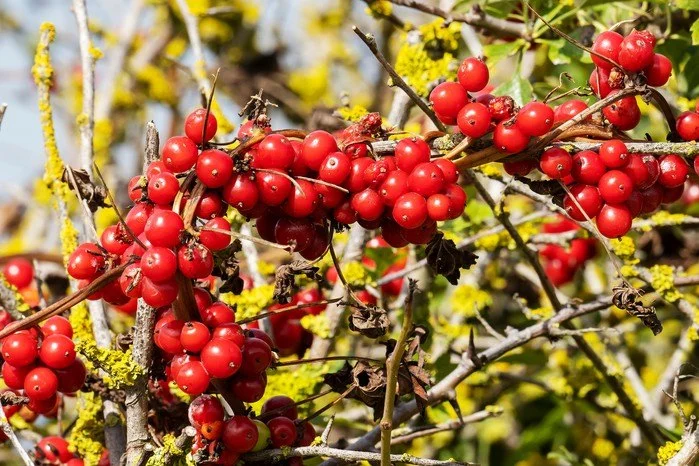
- 1. The Basics of Foraging: Identifying Edible and Poisonous Plants
- 2. Key Factors in Identifying Edible Berries and Plants
- 3. Common Edible Berries and Plants You Can Find
- 4. Common Poisonous Plants to Avoid
- 5. Safety Tips for Foraging and Eating Wild Plants
1. The Basics of Foraging: Identifying Edible and Poisonous Plants
Foraging for edible berries and plants can be a rewarding and nutritious experience, but it also requires caution. Many plants look similar, and it’s crucial to know the difference between edible and poisonous species. This guide will help you understand the basics of plant identification, so you can forage safely and enjoy the bounty of nature.

Evergreen Springs Manufactured Home Community
ClintonLower Connecticut River Valley Planning RegionConnecticut
229 Killingworth Turnpike, Clinton, CT 06413, USA
2. Key Factors in Identifying Edible Berries and Plants
Identifying edible plants involves several important factors. Here are the key elements to consider when foraging:

Down the Shore Seasonal Campground
DennisCape May CountyNew Jersey
561 Corsons Tavern Rd, Ocean View, NJ 08230, USA
2.1 Color and Shape
Many edible berries have vibrant colors such as red, purple, or blue. However, some poisonous berries can have similar colors, so it's essential to look at the entire plant. The shape of leaves, flowers, and fruits can provide clues to the plant’s identity. It’s important to cross-reference with reliable foraging guides to be sure.
2.2 Smell and Taste
Edible plants often have a distinct smell and flavor, which can help you identify them. However, tasting a small sample should only be done if you are 100% sure of the plant’s safety. Never consume large quantities of any plant before you are sure it’s safe, even if it seems familiar.
2.3 Seasonality and Location
Different plants thrive in different seasons and environments. Understanding the growing season and habitat of plants will help you know where and when to find them. For example, certain berries appear in late summer, while others are found in spring. Learning the regional plants of your area can help you become an expert forager.
3. Common Edible Berries and Plants You Can Find
Here are some of the most common edible berries and plants found in the wild:
3.1 Blueberries
Blueberries are one of the easiest edible berries to identify. They grow on shrubs, often in forests or along roadsides. Look for clusters of small, blue, round berries. Blueberries are packed with antioxidants and are delicious raw or cooked into jams and sauces.
3.2 Blackberries
Blackberries grow on thorny bushes, and their fruit turns a deep purple-black color when ripe. Be cautious of thorns, and make sure the berries are fully ripe before eating. They are sweet and can be used in desserts, smoothies, or eaten fresh.
3.3 Dandelion
Although often considered a weed, dandelions are entirely edible. From the roots to the flowers, dandelions provide many nutrients. The leaves are great for salads, and the flowers can be used to make dandelion wine or jelly.
3.4 Plantain
Plantain is a common wild plant with broad, ribbed leaves. The leaves are edible and can be eaten raw or cooked. Plantains are high in fiber and vitamins and can often be found in lawns or open fields.
4. Common Poisonous Plants to Avoid
While many plants are safe to eat, others are highly toxic. Here are some common poisonous plants that foragers should avoid:
4.1 Poison Ivy
Poison ivy is infamous for causing skin irritation upon contact. It has three glossy, pointed leaves and can be found in forests, fields, and even along the sides of roads. Be sure to avoid this plant, as it can cause painful rashes and allergic reactions.
4.2 Deadly Nightshade
Deadly nightshade, also known as belladonna, is a highly toxic plant that produces small, dark purple berries. It can be fatal if consumed. This plant is often found in woodlands and gardens. Always avoid any plant with shiny, dark berries unless you can confirm it is safe.
4.3 Foxglove
Foxglove is another toxic plant, known for its tall spikes of purple flowers. Although beautiful, every part of this plant is poisonous and can lead to severe poisoning if ingested. It’s best to admire foxglove from a distance and avoid contact with its flowers or leaves.
5. Safety Tips for Foraging and Eating Wild Plants
When foraging for edible berries and plants, it’s essential to keep safety in mind. Here are some tips to help you forage safely:
5.1 Research Before Foraging
Before heading out, research the plants in your area. Invest in a good plant identification book or app to help with the identification process. Always cross-reference multiple sources before consuming any plant.
5.2 Avoid Eating Unknown Plants
If you're unsure whether a plant is safe to eat, it’s best to err on the side of caution and avoid it. Some edible plants have poisonous lookalikes, so never rely on a single characteristic for identification.
5.3 Start Small
Even if a plant seems edible, start by eating only a small amount to see how your body reacts. Some people may be sensitive to certain plants, and eating a large amount can lead to stomach upset or allergic reactions.
For more information on identifying safe plants and berries, check out our full guide on foraging and edible plants at Camping Cabins.




 Lazy Acres Mobile Home Park3.0 (20 reviews)
 Bogert's Ranch Estates Inc4.0 (57 reviews)
 Murray Manor Manufactured Home Community3.0 (83 reviews)
 Campsite J400.0 (0 reviews)
 Duck Neck Campground4.0 (197 reviews)
 Allaire State Park Campground4.0 (123 reviews)
 Why Winter is the Best Time for a Camping Cabin Getaway
 Best Remote Camping Cabins for Stargazing and Night Adventures in the U.S.
 The 10 Must-Have Amenities for a Comfortable Stay in Your Camping Cabin
 Winter Camping Cabins: How to Stay Cozy and Warm in the Cold
 How to Create the Ultimate Outdoor Experience with a Camping Cabin
 Best Camping Cabins with Stunning Views of National Parks and Forests