
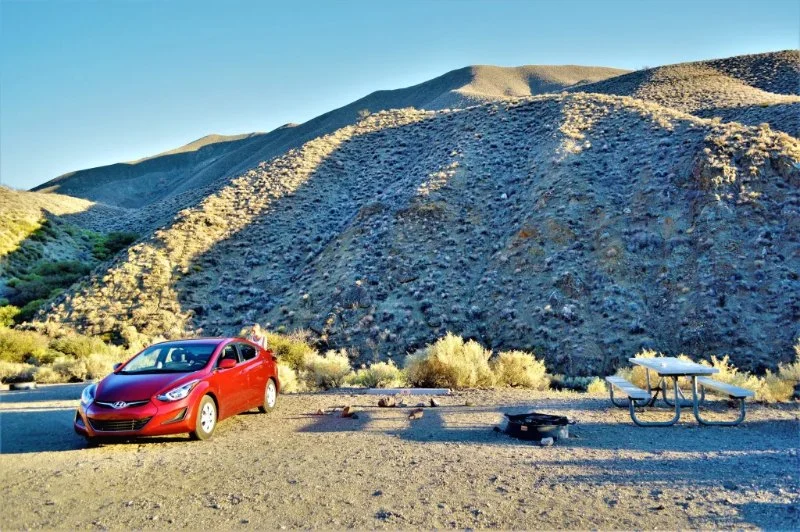
1. Touring the Death Valley National Park
Death Valley National Park is one of the most stunning and extreme landscapes in the United States. Known for its vast desert plains, towering mountains, and record-breaking heat, it's a destination that attracts adventure seekers and nature enthusiasts alike. But camping in this harsh environment requires careful planning and preparation to ensure a safe and enjoyable experience.
With summer temperatures regularly surpassing 110°F (43°C), the extreme heat is not to be taken lightly. Whether you're planning a one-night getaway or an extended stay, there are some important factors to consider to make your camping trip to Death Valley unforgettable.
- Planning Your Trip to Death Valley
- Essential Gear for Camping in Extreme Heat
- Best Camping Spots in Death Valley
- Safety Tips for Surviving Extreme Heat
2. Planning Your Trip to Death Valley
When planning your camping trip to Death Valley, timing is everything. The summer months can be dangerously hot, with daytime temperatures reaching over 120°F (49°C). If you're set on visiting during these months, make sure to choose campsites that are accessible in extreme heat and always plan your hikes for the early morning or late evening when temperatures are cooler.
In contrast, the fall and spring months offer milder temperatures, making them the best time for outdoor activities, especially camping. If you're hoping to avoid the extreme heat and crowds, consider visiting between late October and April, when the weather is more manageable and the desert landscape is just as stunning.
Galaxy Manor Manufactured Home Community
Toms RiverOcean CountyNew Jersey
150 NJ-70, Toms River, NJ 08755, USA
3. Essential Gear for Camping in Extreme Heat
Camping in Death Valley requires specialized gear to handle the extreme conditions. Here are some essential items you’ll need:
- Water: Dehydration is a major concern, so always carry several gallons of water per person. A good rule of thumb is to drink at least one gallon of water per day.
- Sun Protection: Bring wide-brimmed hats, sunglasses, sunscreen (SPF 30 or higher), and long sleeves to protect yourself from the harsh sun.
- Portable Shade: Consider bringing a canopy or large umbrella to create some shade at your campsite.
- Coolers and Insulated Containers: Keep your water and food cool in insulated coolers. Ice packs can be a lifesaver for keeping everything chilled in the hot desert environment.
- Lightweight and Breathable Clothing: Choose moisture-wicking fabrics and lightweight, breathable clothing to help keep you cool during the day. Opt for light-colored clothes that reflect sunlight.
By packing the right gear, you'll be better equipped to survive and enjoy your time in the valley's extreme conditions.
4. Best Camping Spots in Death Valley
Death Valley offers a range of campsites, each with its unique charm. Whether you're looking for developed sites with amenities or more remote, primitive campsites, here are a few top picks:
- Furnace Creek Campground: This is the most popular campground in Death Valley, offering both tent and RV camping with access to flush toilets and potable water. It's a great choice for first-time visitors who want easy access to key park attractions.
- Mesquite Spring Campground: Located near the northern part of the park, this campground is quieter and offers beautiful views of the Panamint Range. It’s a great spot for tent camping and has potable water and flush toilets.
- Wildrose Peak Trailhead: For those who want a more rugged experience, consider camping at the Wildrose Peak Trailhead. It's perfect for backpackers and adventurers seeking a remote, primitive site with stunning views of the valley.
- Desolation Canyon: This remote campsite is ideal for those who want solitude and an adventurous experience. It’s a bit harder to access but offers peace and spectacular desert landscapes.
5. Safety Tips for Surviving Extreme Heat
Surviving the extreme heat of Death Valley is all about preparation and being mindful of your health. Here are some safety tips to help you stay safe while camping in extreme conditions:
- Hydrate Frequently: Always have water on hand and drink it regularly, even if you're not thirsty. Dehydration can sneak up on you, so it's better to be proactive.
- Monitor the Weather: Keep an eye on the temperature and any potential weather changes. Avoid strenuous activities during the hottest parts of the day (usually from 10 a.m. to 4 p.m.).
- Know the Signs of Heat Stroke: Symptoms like dizziness, rapid heartbeat, and confusion are signs of heat stroke. If you experience any of these, seek shade and hydration immediately and call for medical help if necessary.
- Stay on Marked Trails: When hiking, stick to designated trails to avoid getting lost in the vast desert landscape. Carry a map and a GPS device for added safety.
By following these safety tips and being mindful of the conditions, you’ll be well-prepared for your adventure in Death Valley.
If you’re considering camping in one of the hottest places on Earth, make sure to check out Camping Cabins for the best camping gear and cabins that can help you survive the extreme conditions in style. Stay safe, stay hydrated, and enjoy the rugged beauty of Death Valley!
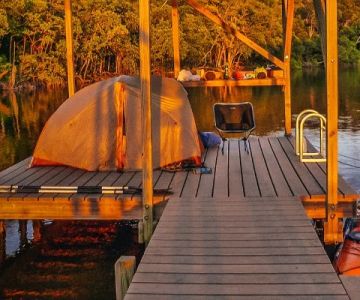
 Indy River5.0 (8 reviews)
 Texas Hall5.0 (5 reviews)
 Gulls Way Campground4.0 (273 reviews)
 Trestler Trails0.0 (0 reviews)
 Hawaiian isles5.0 (1 reviews)
 Top of the Ridge Inc3.0 (166 reviews)
 Why Winter is the Best Time for a Camping Cabin Getaway
 Best Remote Camping Cabins for Stargazing and Night Adventures in the U.S.
 The 10 Must-Have Amenities for a Comfortable Stay in Your Camping Cabin
 Winter Camping Cabins: How to Stay Cozy and Warm in the Cold
 How to Create the Ultimate Outdoor Experience with a Camping Cabin
 Best Camping Cabins with Stunning Views of National Parks and Forests