
Backpacking Meal Planning: Calorie Counting and Nutrition Basics
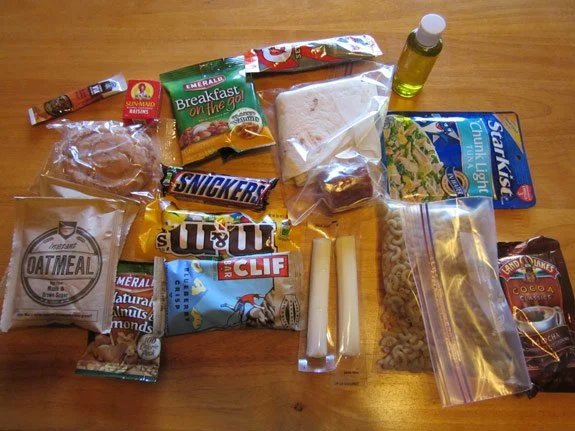
When you're out on the trails, your body needs fuel to keep you energized and ready for the next step. Proper meal planning is one of the most important aspects of a successful backpacking trip. Not only do you need food that’s lightweight, compact, and easy to cook, but you also need to ensure that you’re consuming enough calories and nutrients to support your physical exertion. In this guide, we’ll dive into backpacking meal planning, focusing on calorie counting and the basics of nutrition to help you stay healthy and energized during your outdoor adventures.
- Why Calorie Counting Is Important for Backpacking
- Key Nutritional Needs for Backpacking
- How to Calculate Calories for Backpacking
- Meal Prep Tips for Backpacking
- Recommended Foods for Backpacking
1. Why Calorie Counting Is Important for Backpacking
When you’re backpacking, your body is expending a lot of energy through physical activity like hiking, climbing, and setting up camp. Without proper calorie intake, your body won’t have enough fuel to sustain the energy levels needed for such demanding tasks. Calorie counting is essential because it helps you determine how much energy your body requires and ensures you're bringing enough food to meet those needs.
For example, a 150-pound hiker typically burns about 400 to 600 calories per hour depending on the terrain, weather, and the weight of their pack. If you aren’t consuming enough calories, you may feel fatigued, experience muscle cramps, or even face a higher risk of injury. On the other hand, over-consuming calories can lead to unnecessary weight, making your pack heavier than it needs to be.
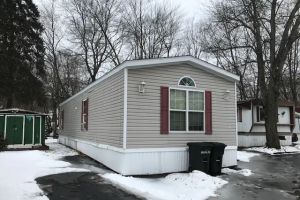
Creekside Estates
BristolNaugatuck Valley Planning RegionConnecticut
482 Broad St, Bristol, CT 06010, USA
2. Key Nutritional Needs for Backpacking
In addition to calorie counting, it’s important to focus on the nutritional balance of your meals. While calories are essential, you also need the right balance of macronutrients—carbohydrates, fats, and proteins—as well as micronutrients like vitamins and minerals. Here’s a breakdown of what you need to focus on:
- Carbohydrates: Carbs are your body’s primary source of energy, especially for endurance activities like hiking. They should make up a large portion of your backpacking meals. Opt for complex carbs like whole grains, oats, and quinoa, which provide slow-release energy throughout the day.
- Proteins: Protein is crucial for muscle repair and recovery. After long hours on the trail, your body needs protein to rebuild muscle tissue. Include protein sources like nuts, seeds, jerky, and dehydrated beans in your meal plan.
- Fats: Healthy fats are essential for longer-lasting energy and help keep you full during your hike. Avocados, olive oil, and nut butters are great options for packing in healthy fats without adding excessive weight to your pack.
- Micronutrients: Don’t forget to include foods rich in essential vitamins and minerals to support your immune system and overall health. Trail mix with dried fruits, leafy greens, and supplements like multivitamins can help keep you balanced and energized.
3. How to Calculate Calories for Backpacking
When planning your meals, it’s important to calculate the calories you’ll need each day based on your activity level. Here’s how to get a good estimate:
- Estimate Your Basal Metabolic Rate (BMR): This is the number of calories your body needs to function at rest. You can calculate your BMR using an online calculator based on factors like age, weight, height, and gender.
- Factor in Your Activity Level: Backpacking burns a significant amount of calories, so you'll need to add extra calories for the physical activity. On average, a person can burn between 3,000 to 5,000 calories per day on a strenuous backpacking trip. To account for this, add roughly 500-1,000 calories per hour of hiking.
- Account for Your Trail Conditions: The terrain, altitude, and climate can also affect how many calories you burn. Hiking in higher elevations or in extreme temperatures typically requires more energy.
- Plan Your Meals: Based on your total daily calorie requirements, break them down into breakfast, lunch, dinner, and snacks. Each meal should provide a balance of carbs, protein, and fats to keep you going throughout the day.
4. Meal Prep Tips for Backpacking
Proper meal preparation is key to a successful backpacking trip. You don’t want to spend precious time on the trail cooking complicated meals. Here are some meal prep tips to make your backpacking meals easier and more efficient:
- Freeze-Dried and Dehydrated Foods: These are lightweight, shelf-stable, and easy to prepare—just add hot water. Many outdoor gear shops offer freeze-dried meals that provide balanced nutrition.
- Pre-Pack Snacks: Pack calorie-dense snacks like trail mix, energy bars, and nut butter packets. These are perfect for snacking while on the move or to supplement your main meals.
- Batch Cooking: If you're preparing homemade meals, consider batch cooking and dehydrating them at home. This way, you’ll have ready-to-eat meals that are lightweight and easy to carry.
- Use Simple Cooking Tools: A compact stove and lightweight cookware are all you need for preparing simple meals. Opt for one-pot dishes to save time and minimize cleanup.
5. Recommended Foods for Backpacking
When it comes to food for backpacking, you want options that are high in calories, nutrient-dense, and easy to prepare. Some of the best foods for backpacking include:
- Instant Oatmeal: A quick, nutritious, and easy-to-make breakfast option packed with carbs and fiber.
- Dehydrated Vegetables: Packed with essential vitamins and minerals, these are great for adding flavor and nutrition to your meals without taking up much space.
- Beef Jerky or Plant-Based Jerky: A great protein source that doesn’t require refrigeration and is easy to snack on while hiking.
- Energy Bars and Granola: High-calorie bars that provide an energy boost and can be consumed on the go.
- Nut Butters: A calorie-dense source of healthy fats and protein that can be eaten alone or added to other meals.
For more backpacking meal ideas and camping gear, visit Camping Cabins, where we offer a variety of food and equipment to help make your backpacking trip as enjoyable as possible.
 East Hampton Village Manufactured Home Community4.0 (49 reviews)
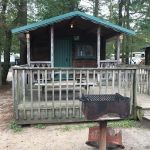 Wading Pines Camping Resort4.0 (435 reviews)
 Terry's Mobile Home Park3.0 (137 reviews)
 Delaware Seashore State Park North Campground4.0 (168 reviews)
 Marsden Tract Group Campground4.0 (38 reviews)
 Thousand Trails Chestnut Lake4.0 (299 reviews)
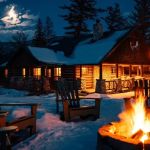 Why Winter is the Best Time for a Camping Cabin Getaway
 Best Remote Camping Cabins for Stargazing and Night Adventures in the U.S.
 The 10 Must-Have Amenities for a Comfortable Stay in Your Camping Cabin
 Winter Camping Cabins: How to Stay Cozy and Warm in the Cold
 How to Create the Ultimate Outdoor Experience with a Camping Cabin
 Best Camping Cabins with Stunning Views of National Parks and Forests