
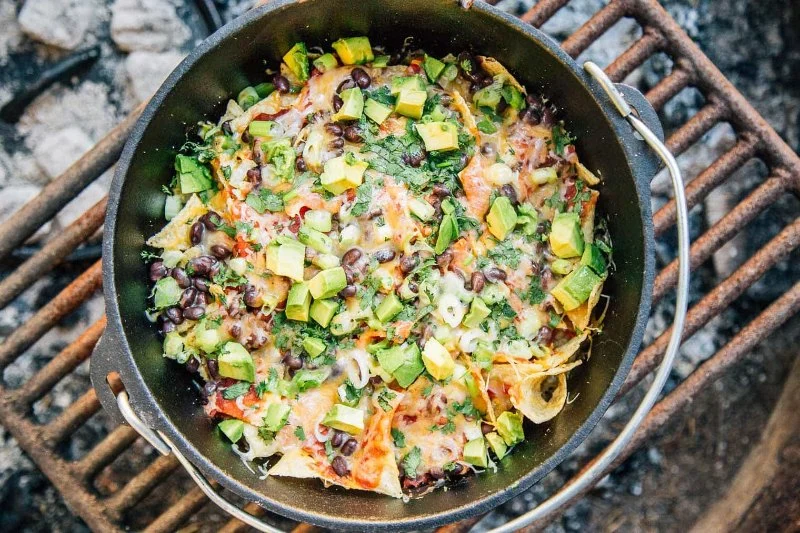
- meal-planning-basics-for-camping - Building a simple nutrition strategy before you leave
- limited-tool-cooking-techniques - Making the most out of minimal camping gear
- portable-ingredients-selection - Choosing food that travels well and stays fresh
- real-camp-cooking-experiences - Lessons from actual outdoor cooking situations
- health-focused-outdoor-eating - Keeping meals balanced and energizing in nature
- smart-camp-kitchen-setup - Organizing a compact but efficient cooking station
- practical-tips-and-safety - Avoiding common mistakes when cooking outdoors
Building a Realistic Approach to Healthy Eating Outdoors
Cooking in the wild always sounds romantic until you’re standing next to a small burner, a dull knife, and a half-empty cooler. The truth is that learning how to prepare healthy meals while camping with limited tools is less about fancy recipes and more about thinking differently. Instead of recreating a full kitchen outdoors, the goal is to simplify without sacrificing nutrition or satisfaction.
Many beginners overpack ingredients or bring complicated recipes that rely on equipment they don’t actually have. A more effective approach is to focus on flexible ingredients, adaptable cooking methods, and meals that can shift based on conditions. This mindset alone changes the entire camping food experience from stressful to enjoyable.

Meal Planning Basics That Actually Work in the Wild
Understanding Energy Needs in Outdoor Settings
Camping burns more energy than a normal day at home. Hiking, setting up tents, and handling weather conditions all increase calorie needs. This means meals should be both nutrient-dense and easy to prepare. Carbohydrates provide quick energy, proteins support muscle recovery, and healthy fats help maintain stamina throughout the day.

Beach Harbor Camper's Co-Op
GrasonvilleQueen Anne's CountyMaryland
111 Beach Harbor Rd Dr, Grasonville, MD 21638, USA
Simple Structure Instead of Complex Recipes
Instead of planning elaborate dishes, it helps to think in components: a protein base, a carb source, and a fresh or preserved vegetable. For example, grilled chicken wraps, oatmeal with nuts, or rice bowls with canned beans can all be assembled with minimal tools. This structure reduces cooking stress and improves flexibility when ingredients run low.
Choosing Ingredients That Survive Outdoor Conditions
Durable Foods That Don’t Require Heavy Refrigeration
One of the most overlooked parts of camping meal prep is ingredient durability. Foods like oats, rice, tortillas, nut butters, canned tuna, and dried fruits are staples for a reason—they remain stable even in unpredictable weather. These ingredients allow you to maintain a healthy diet even when refrigeration is limited or unavailable.
Fresh Additions That Elevate Simple Meals
While shelf-stable foods form the base, fresh ingredients like apples, carrots, or pre-washed greens can elevate meals significantly. They bring texture, nutrients, and freshness that balance heavier camping foods. A simple wrap can feel completely different with just a handful of fresh vegetables added.
Limited Tools Cooking Techniques That Actually Make Sense
One-Pot Cooking Strategy
When tools are limited, one-pot cooking becomes essential. A single pan or pot can handle breakfast scrambles, pasta dishes, or even stews. This method not only saves cleanup time but also reduces the need for multiple utensils.
A common real-world example comes from a group of hikers in Colorado who shared how they survived a three-day trip using only a small camping stove and one pot. Their meals rotated between rice bowls, oatmeal, and vegetable soups. The simplicity actually made their experience smoother and more enjoyable.
Foil Packet Cooking for Flexibility
Foil packets are another reliable method when tools are minimal. Ingredients can be wrapped together and placed over a fire or stove. This method locks in flavor and requires almost no cleanup. It’s especially useful for proteins and vegetables that cook at similar speeds.
Building a Smart and Portable Camping Kitchen Setup
Minimal Gear With Maximum Functionality
A well-designed camping kitchen doesn’t need to be large. A lightweight stove, one or two pots, a multi-use knife, and a cutting board are often enough. The key is selecting tools that serve multiple functions instead of single-use items.
Many experienced campers recommend testing your setup at home before heading out. This helps identify missing tools and prevents frustration in the field. It also ensures that your cooking flow feels natural even in outdoor conditions.
Organization Makes a Big Difference
Keeping ingredients grouped by meal type helps reduce confusion. For example, breakfast items in one bag, lunch supplies in another, and snacks separately stored. This method saves time and prevents unnecessary unpacking at the campsite.
Real Camping Experience: What Actually Happens
A family camping trip in Oregon once highlighted how unpredictable outdoor cooking can be. They planned elaborate grilled meals but ended up dealing with rain for two days. Instead of giving up, they shifted to simple soups and wraps using what they had. The experience taught them that flexibility matters more than perfection.
This is where the philosophy behind Camping Cabins becomes relevant. Having access to structured outdoor living spaces or resources can help campers focus more on experience and less on logistical stress. Whether it’s gear recommendations or cabin-based cooking setups, having guidance makes a noticeable difference.
Health-Focused Outdoor Eating Without Overcomplication
Balancing Nutrition Without Tracking Everything
Healthy camping meals don’t require strict calorie counting. Instead, focus on variety and balance. Mixing protein, fiber, and healthy fats naturally creates satisfying meals that sustain energy throughout outdoor activities.
Avoiding Common Nutritional Mistakes
Many campers rely too heavily on processed snacks or sugary foods for convenience. While these are useful for quick energy, they should not dominate your diet. Including real ingredients, even in simple forms, helps maintain energy stability and prevents fatigue.
Practical Safety and Cooking Tips in Outdoor Conditions
Food Storage and Temperature Awareness
Even in limited setups, food safety matters. Keeping perishables cool and avoiding prolonged exposure to heat reduces risks. Planning meals in order of perishability helps minimize waste.
Fire and Stove Safety in Campsites
Whether cooking over an open fire or portable stove, maintaining a safe cooking area is essential. Always ensure stable surfaces and keep flammable materials away from heat sources. These simple precautions prevent accidents and make cooking more relaxed.
Creating a Better Camping Food Experience Overall
The real secret to successful outdoor cooking is not complexity but adaptability. Once you understand how to prepare healthy meals while camping with limited tools, everything becomes easier—from packing to cooking to enjoying the trip itself.
Exploring different setups, testing recipes at home, and learning from each trip gradually builds confidence. Over time, even minimal tools feel like enough because you know how to make them work efficiently.
For campers looking to improve their experience further, platforms like Camping Cabins can offer ideas, equipment suggestions, and inspiration for more comfortable and efficient outdoor living setups. Exploring these resources can help you refine your camping meals and overall adventure planning in meaningful ways.
 Brookside Mobile Estates4.0 (50 reviews)
 Butterfly Camping Resort4.0 (288 reviews)
 Deer Run3.0 (32 reviews)
 Maple Glen Mobile Home Park2.0 (24 reviews)
 Acorn Campground4.0 (180 reviews)
 Friendly Mobile Park3.0 (8 reviews)
 Why Winter is the Best Time for a Camping Cabin Getaway
 Best Remote Camping Cabins for Stargazing and Night Adventures in the U.S.
 The 10 Must-Have Amenities for a Comfortable Stay in Your Camping Cabin
 Winter Camping Cabins: How to Stay Cozy and Warm in the Cold
 Best Camping Cabins with Stunning Views of National Parks and Forests
 How to Create the Ultimate Outdoor Experience with a Camping Cabin