
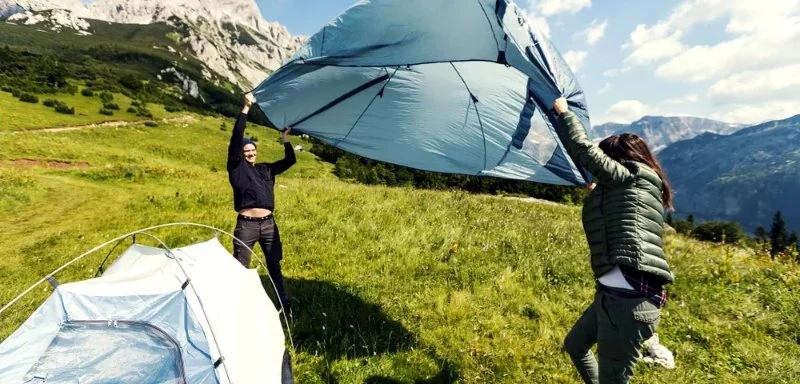
How to Camp in a Tent During Windy Conditions
- 1. Choosing the Right Tent for Windy Conditions
- 2. Securing Your Tent Properly
- 3. Windproofing Your Tent
- 4. Preparing for Windy Weather
- 5. What to Do During Extreme Winds
1. Choosing the Right Tent for Windy Conditions
The foundation of any successful windy camping experience begins with selecting the right tent. Look for tents that are designed to handle gusty conditions, such as those with low profiles, strong poles, and sturdy materials. A four-season tent is usually the best option for heavy winds, as these are built to withstand harsher weather. Ensure the tent you choose has robust guy lines and reinforced stitching to prevent damage in high winds.

2. Securing Your Tent Properly
One of the most important steps to ensure your tent stays upright during windy conditions is securing it properly. Use high-quality stakes that are long enough to anchor your tent securely into the ground. Hammer them at an angle, which will help increase stability. In areas with very soft ground, consider using sandbags or rocks to further weigh down the tent. Double-check that all guy lines are tight and attached to solid anchors, such as large rocks or trees.

Lazy River Campground
Estell ManorAtlantic CountyNew Jersey
102 Cumberland Ave, Estell Manor, NJ 08319, USA
3. Windproofing Your Tent
Windproofing your tent can greatly improve your comfort during a windy camping trip. Consider adding a windbreak around your tent, such as setting up a tarp or using natural terrain features like boulders or trees to shield your tent from the wind. If you're camping in an open area, using a tent with a strong, aerodynamic shape can help reduce wind resistance. Some tents are designed with additional wind vents to help prevent the buildup of pressure inside, which can cause instability.
4. Preparing for Windy Weather
Before heading out for your camping trip, always check the weather forecast for wind conditions. If strong winds are expected, prepare by packing items that can help protect you from the elements. Bring extra ground coverings, such as a footprint or tarp, to protect the bottom of your tent. Additionally, pack heavy-duty outdoor equipment such as windbreakers, heavy-duty sleeping bags, and insulation layers to ensure comfort throughout the night. Staying warm and dry is essential, especially when battling cold, windy conditions.
5. What to Do During Extreme Winds
When the winds start picking up, there are a few steps you should take to ensure your safety. First, make sure you are in a sheltered location, away from dangerous areas like cliffs or trees that could be affected by the wind. Inside your tent, make sure all doors and windows are sealed to prevent wind from getting inside. If the winds become dangerously strong, it's best to wait it out inside the tent and avoid unnecessary risks. If you're camping in a group, make sure everyone is accounted for and stay close together to ensure safety.
If you're looking for the best camping gear and advice for windy conditions, visit Camping Cabins for expert recommendations and top-quality products that will enhance your outdoor experience.



 Oak Grove4.0 (3 reviews)
 Chapman Manufactured Housing4.0 (106 reviews)
 Cedar Grove Park4.0 (22 reviews)
 Cedar Grove Manufactured Home Community2.0 (6 reviews)
 Salisbury Camping and Adventure Park4.0 (3 reviews)
 Delaware City Mobile Home Community3.0 (46 reviews)
 Why Winter is the Best Time for a Camping Cabin Getaway
 Best Remote Camping Cabins for Stargazing and Night Adventures in the U.S.
 The 10 Must-Have Amenities for a Comfortable Stay in Your Camping Cabin
 Winter Camping Cabins: How to Stay Cozy and Warm in the Cold
 How to Create the Ultimate Outdoor Experience with a Camping Cabin
 Best Camping Cabins with Stunning Views of National Parks and Forests