
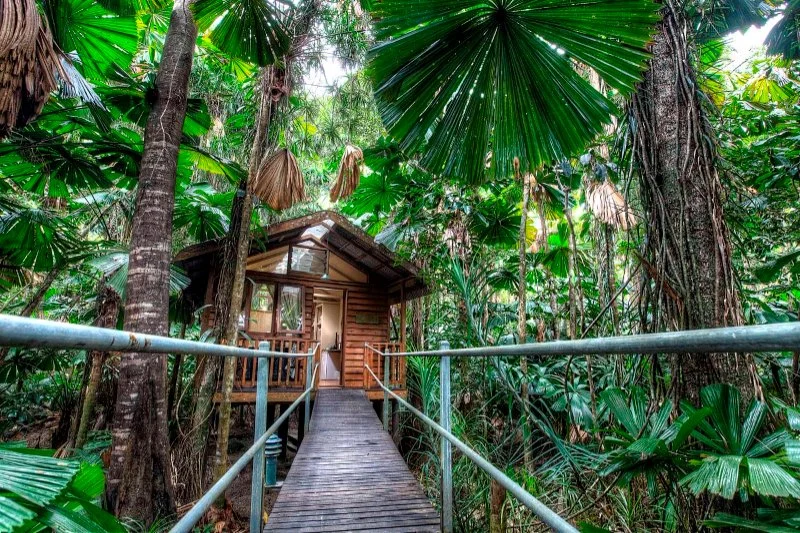
- understanding-the-connection-between-camping-cabins-and-sustainability
- eco-friendly-practices-while-staying-in-camping-cabins
- sustainable-materials-and-energy-efficient-cabin-design
- real-life-examples-of-sustainable-camping-getaways
- how-to-choose-eco-conscious-camping-destinations
1. Understanding the Connection Between Camping Cabins and Sustainability
In today’s eco-conscious world, travelers are seeking ways to enjoy nature without leaving a heavy footprint. That’s where the idea of camping cabins and sustainability beautifully intersect. Unlike traditional RV camping or tent setups that often require portable gear and energy-heavy support systems, camping cabins—especially eco-built ones—offer a lower-impact solution to wilderness stays.
1.1 Why Cabins Make Sense Environmentally
Well-designed cabins reduce the need for single-use products, minimize waste, and can operate on renewable energy. Unlike massive resort-style accommodations, most cabins are built with the intention of merging into the natural environment, not disrupting it. From composting toilets to rainwater collection systems, cabins can serve as small eco-havens in the heart of nature.

Turkey Swamp Campground
Freehold TownshipMonmouth CountyNew Jersey
5MXW+7H, Freehold Township, NJ 07728, USA
2. Eco-Friendly Practices While Staying in Camping Cabins
It’s not just about where you stay—it’s how you stay. Sustainability during a camping cabin experience depends largely on the decisions you make as a guest. The good news? Small changes go a long way.
2.1 Respect the Waste System
Many camping cabins use compost toilets, graywater systems, or offer minimal garbage disposal. Be sure to pack out all non-biodegradable waste and separate recyclables where possible. If the cabin offers composting, only discard items approved by the host—never assume all food scraps qualify.
2.2 Cook Clean, Eat Smart
Bring reusable dishware, cloth napkins, and if you’re cooking outdoors, use a propane stove instead of making a fire unless firewood is locally sourced and fire bans are lifted. Choose local, organic foods to reduce packaging waste and support regional farms.
2.3 Leave No Trace—Seriously
Staying in a cabin doesn’t exempt you from the Leave No Trace principles. Always leave the space better than you found it. Don’t pick wildflowers or disturb wildlife, and if hiking is part of your stay, stick to marked trails to reduce erosion and ecosystem disruption.
3. Sustainable Materials and Energy-Efficient Cabin Design
What makes a cabin truly “green” isn’t just its location—it’s how it’s built and maintained. If you’re renting or building your own, look out for these elements.
3.1 Renewable Resources in Construction
Cabins constructed with reclaimed wood, recycled metal roofing, or non-toxic insulation help lower the environmental cost. Sustainably sourced lumber and bamboo flooring are now common in eco-conscious designs. Look for cabins certified by LEED or those built using passive solar principles.
3.2 Energy and Water Efficiency
Solar panels, rainwater harvesting systems, and LED lighting are hallmarks of sustainable camping cabins. Some also feature solar-heated showers and low-flow plumbing, helping reduce water and energy consumption without compromising comfort.
3.3 Off-Grid Capabilities
Many eco-friendly camping cabins are completely off-grid—meaning they generate their own power and manage waste independently. These cabins are designed for minimal impact and often blend seamlessly with the forest or desert surroundings.
4. Real-Life Examples of Sustainable Camping Getaways
Take the example of the Greenridge Eco Cabins in Northern California. Powered entirely by solar energy and built with reclaimed barnwood, they offer a full immersion in nature with minimal footprint. Guests rave about the fresh mountain air, stargazing decks, and peace of mind knowing their vacation supports responsible tourism.
4.1 A Family’s Experience in Colorado
The Jamesons, a family of four from Denver, stayed in an off-grid cabin near Estes Park. “It was the first trip where our kids actually asked questions about composting and solar panels,” said Tom Jameson. “It was more than a vacation—it was a teaching moment.”
4.2 How One Business Went Fully Green
One owner in upstate New York transformed an old hunting cabin into a fully sustainable rental, featuring a wood-fired hot tub, solar roof, and zero-waste kitchen. She partnered with local artisans to furnish the space and now runs workshops on sustainable living during guest weekends.
5. How to Choose Eco-Conscious Camping Destinations
5.1 Look Beyond the Brochure
It’s easy for any business to claim they’re “green,” but real sustainability efforts should be transparent. Check for third-party certifications or customer reviews that highlight specific eco-initiatives. Terms like “off-grid,” “solar-powered,” and “zero waste” should be more than marketing lingo.
5.2 Consider the Impact of Your Travel
Traveling responsibly includes how you get to your cabin. Consider carpooling, renting electric vehicles, or choosing cabins closer to home to reduce emissions. Once you arrive, bike or walk wherever possible.
5.3 Explore Trusted Platforms
To make your search easier, Camping Cabins offers eco-friendly listings with clear sustainability details. Whether you're looking for a solar-powered mountain escape or a rustic woodland retreat that follows zero-waste policies, Camping Cabins helps you find the perfect spot without the guesswork.


 East Hampton Village Manufactured Home Community4.0 (49 reviews)
 Wading Pines Camping Resort4.0 (435 reviews)
 Terry's Mobile Home Park3.0 (137 reviews)
 Delaware Seashore State Park North Campground4.0 (168 reviews)
 Marsden Tract Group Campground4.0 (38 reviews)
 Thousand Trails Chestnut Lake4.0 (299 reviews)
 Why Winter is the Best Time for a Camping Cabin Getaway
 Best Remote Camping Cabins for Stargazing and Night Adventures in the U.S.
 The 10 Must-Have Amenities for a Comfortable Stay in Your Camping Cabin
 Winter Camping Cabins: How to Stay Cozy and Warm in the Cold
 How to Create the Ultimate Outdoor Experience with a Camping Cabin
 Best Camping Cabins with Stunning Views of National Parks and Forests