
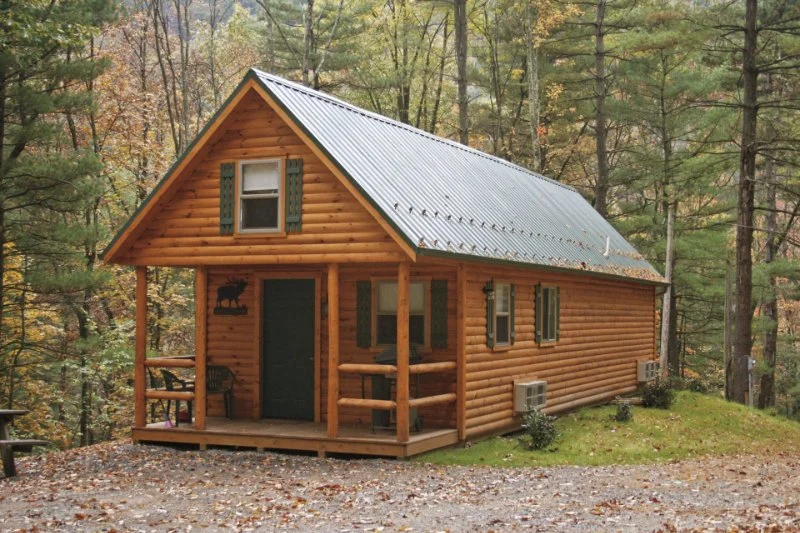
- why-camping-cabins-are-perfect-for-beginners
- choosing-the-right-location-for-first-timers
- essential-packing-tips-for-cabin-camping
- navigating-amenities-and-comfort-levels
- beginner-mistakes-and-how-to-avoid-them
1. Why Camping Cabins Are Perfect for Beginners
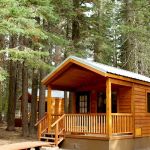
For those new to outdoor living, camping cabins for beginners offer a gentle and welcoming entry point into nature. Unlike tent camping, which can be intimidating and gear-intensive, cabins provide a more structured experience without stripping away the charm of the wild.

1.1. Shelter from Unpredictable Weather
First-time campers often worry about the elements. Cabins provide reliable shelter from rain, wind, and cold, allowing you to enjoy your trip regardless of the forecast.

TIngles Island Camp, Assateague National Park
BerlinWorcester CountyMaryland
Unnamed Road, Berlin, MD 21811, USA
1.2. A Comfortable Learning Curve
Staying in a cabin removes the pressure of mastering tent setup or campfire cooking right away. You still get a taste of nature—waking to birdsong, stargazing at night—but with access to walls, beds, and sometimes even electricity.
1.3. Personal Stories from First-Timers
One beginner from Colorado shared how her family of four booked their first cabin through Camping Cabins and found it far less stressful than expected. “It gave us a real feel for camping without worrying about the gear,” she said. “Now we’re hooked.”
2. Choosing the Right Location for First-Timers
The success of your trip depends largely on where you go. Not all cabins are created equal—some are deep in the backcountry, while others are nestled near family-friendly trails and conveniences.
2.1. Proximity to Trails and Attractions
Look for cabins located near beginner-friendly hiking trails or lakes for fishing and paddling. Parks like Shenandoah National Park in Virginia or Great Smoky Mountains in Tennessee offer beginner-accessible trails with stunning views.
2.2. Access to Emergency Services
For peace of mind, it’s wise to choose a cabin that’s not too far from a ranger station, visitor center, or town. This can make a huge difference if you're unfamiliar with outdoor challenges like wildlife or minor injuries.
2.3. Booking Through Reputable Platforms
Websites like Camping Cabins offer curated listings with verified reviews, so you can book with confidence and find beginner-appropriate properties with helpful amenities and clear expectations.
3. Essential Packing Tips for Cabin Camping
While cabins make packing simpler, beginners still need to bring key items to ensure a smooth and enjoyable trip. Think in terms of comfort, safety, and entertainment.
3.1. Bedding and Linens
Some cabins provide basic mattresses, but not always bedding. Pack sleeping bags or fitted sheets, blankets, and pillows just in case—especially if you're unsure of the setup.
3.2. Lighting and Power
Even with electric outlets, bring lanterns or headlamps. Power outages can happen in remote areas, and a flashlight becomes your best friend at night.
3.3. Food and Cooking Gear
If your cabin doesn’t have a kitchen or grill, a small portable stove or cooler for perishables can be invaluable. Plan simple meals like sandwiches, pre-cooked pasta, or foil-pack veggies.
4. Navigating Amenities and Comfort Levels
Understanding what to expect from a cabin stay will reduce surprises and increase enjoyment. Cabins can range from rustic one-room shelters to modern lodges with full bathrooms and Wi-Fi.
4.1. What “Rustic” Really Means
A “rustic” cabin may not have indoor plumbing, insulation, or even electricity. Make sure to read descriptions carefully, and don't hesitate to ask questions when booking.
4.2. Making Yourself at Home
Bring some homey touches to ease into your first cabin experience—like a deck of cards, your favorite snacks, or a journal. Small comforts go a long way in creating a positive first impression of outdoor life.
4.3. Using Technology Wisely
Download maps, trail apps, or entertainment before your trip, especially if you’ll be in a low-signal area. But don’t be afraid to unplug and enjoy the digital detox.
5. Beginner Mistakes and How to Avoid Them
Everyone learns from experience, but being aware of common beginner errors can help you sidestep them on your first trip.
5.1. Underestimating the Cold
Even in summer, cabin temperatures can dip at night. Always pack layers and a warm blanket or sleeping bag. A portable propane heater (when safe and allowed) can be helpful.
5.2. Overpacking the Wrong Gear
Beginners often bring too much or not the right stuff. Avoid bulky items like full cookware sets if your cabin has a grill or kitchen. Focus on lightweight, multi-use items.
5.3. Not Researching Cabin Rules
Every property has different rules—no pets, no fires, quiet hours. Be sure to check all policies before booking to avoid surprises or fees. Sites like Camping Cabins provide detailed listings and house rules for every location.
Whether you’re taking your first steps into cabin camping or introducing your family to the outdoors, starting with a well-equipped, beginner-friendly cabin is key. Visit Camping Cabins to find locations, tips, and the perfect setup to match your comfort level and adventure goals.


 East Hampton Village Manufactured Home Community4.0 (49 reviews)
 Wading Pines Camping Resort4.0 (435 reviews)
 Terry's Mobile Home Park3.0 (137 reviews)
 Delaware Seashore State Park North Campground4.0 (168 reviews)
 Marsden Tract Group Campground4.0 (38 reviews)
 Thousand Trails Chestnut Lake4.0 (299 reviews)
 Why Winter is the Best Time for a Camping Cabin Getaway
 Best Remote Camping Cabins for Stargazing and Night Adventures in the U.S.
 The 10 Must-Have Amenities for a Comfortable Stay in Your Camping Cabin
 Winter Camping Cabins: How to Stay Cozy and Warm in the Cold
 How to Create the Ultimate Outdoor Experience with a Camping Cabin
 Best Camping Cabins with Stunning Views of National Parks and Forests