
- 1-Why Repurpose Everyday Items for Camping
- 2-Common Household Items with Camping Potential
- 3-Creative Uses for Everyday Items Outdoors
- 4-Safety and Preparation Tips
- 5-Real-World Examples and Stories
- 6-Additional Resources and Recommendations
1. Why Repurpose Everyday Items for Camping
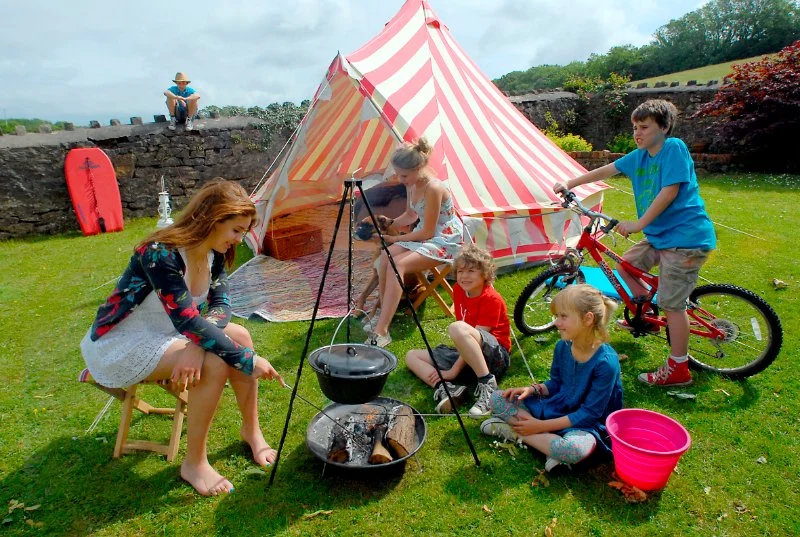
Repurposing everyday household items for camping is a practical and resourceful way to enhance your outdoor experience. Instead of purchasing specialized gear, many items you already own can serve multiple functions, saving money and reducing packing space. This approach encourages creativity and problem-solving while keeping your camping trips efficient and enjoyable.
For example, a family in Colorado used an old cereal container as a portable utensil holder, keeping their campsite organized without needing specialized containers. Camping Cabins emphasizes smart packing strategies that utilize what you already have to simplify outdoor living.
2. Common Household Items with Camping Potential
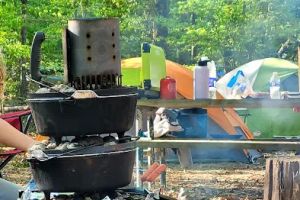
Many everyday items can be adapted for outdoor use, including:
- Plastic bottles – Can be converted into water filters or portable storage for liquids.- Aluminum foil – Useful for cooking, creating makeshift trays, or insulating items.- Old socks or mittens – Can serve as protective grips or padding for equipment.- Binder clips and rubber bands – Handy for securing tents, tarps, or loose items.- Mason jars – Excellent for storing dry foods, spices, or even creating lanterns with candles.
Recognizing the hidden potential of these common items encourages campers to be innovative and prepared without overloading their packs.
Seaville Shores
Upper TownshipCape May CountyNew Jersey
98 Corsons Tavern Rd, Ocean View, NJ 08230, USA
3. Creative Uses for Everyday Items Outdoors
Repurposing items can extend beyond basic functionality. Some creative ideas include:
- Cereal containers as trash bins – Keeps your campsite clean and organized.- Soda can lids as mini cooking surfaces – Perfect for heating small portions or melting chocolate.- Tennis balls as tent pole protectors – Prevents poles from sinking into soft ground.- Plastic hangers for drying wet gear – Provides an instant drying solution without additional hooks.- Old T-shirts as multipurpose rags – Use for cleaning, padding, or even temporary shade.
These simple hacks have proven popular among campers in the Pacific Northwest, where unpredictable weather and diverse terrain require flexible solutions.
4. Safety and Preparation Tips
While repurposing items is useful, safety should remain a top priority. Tips include:
- Ensure containers used for food or water are clean and free from contaminants.- Avoid flammable items near open flames or campfires.- Test improvised cooking surfaces or supports before relying on them.- Keep sharp objects safely stored to prevent injuries.- Always follow Leave No Trace principles to minimize environmental impact.
Implementing these precautions ensures that creative hacks enhance the camping experience without introducing risk.
5. Real-World Examples and Stories
Real-life camping experiences highlight the effectiveness of repurposing items. In Michigan, a group used binder clips to secure a tarp over their picnic area during unexpected rain, preventing soggy gear. Another camper in Oregon converted old mason jars into lanterns, illuminating the campsite while adding a cozy, rustic feel. Stories like these demonstrate how everyday items can solve common camping challenges efficiently.
Camping Cabins encourages campers to experiment with their surroundings and items at hand, creating innovative solutions that improve both convenience and enjoyment.
6. Additional Resources and Recommendations
For campers looking to expand their repertoire of hacks and gear ideas, consider these strategies:
- Consult online camping communities for creative ideas and tested hacks.- Keep a list of items at home that could have multiple outdoor applications.- Explore compact, multi-purpose tools that complement repurposed items.- Camping Cabins offers curated recommendations for equipment and accessories that integrate well with everyday items for seamless camping experiences.


 Huguenot Estates Manufactured Home Community3.0 (69 reviews)
 Colonial Estates3.0 (104 reviews)
 Lakeshore Mobile Village3.0 (22 reviews)
 Terry's Mobile Home Park3.0 (137 reviews)
 Campsites4.0 (68 reviews)
 Pine Grove Campground4.0 (162 reviews)
 Why Winter is the Best Time for a Camping Cabin Getaway
 Best Remote Camping Cabins for Stargazing and Night Adventures in the U.S.
 The 10 Must-Have Amenities for a Comfortable Stay in Your Camping Cabin
 Winter Camping Cabins: How to Stay Cozy and Warm in the Cold
 How to Create the Ultimate Outdoor Experience with a Camping Cabin
 Best Camping Cabins with Stunning Views of National Parks and Forests