
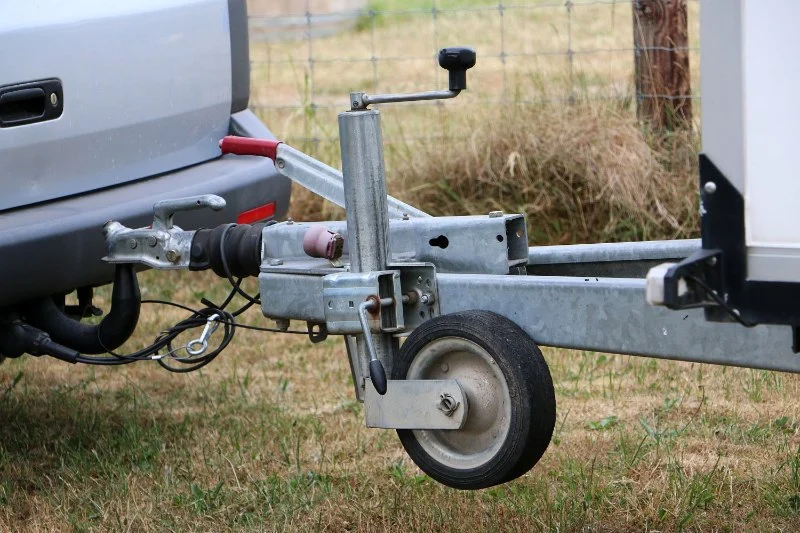
- Understanding the Impacts of Wind on Towing
- Preparing Your Vehicle and Trailer
- Driving Tips for Crosswinds
- What to Do in Emergency Wind Situations
1. Understanding the Impacts of Wind on Towing
Towing a trailer in strong winds or crosswinds can be a challenging experience, as wind forces can affect the stability of both the vehicle and the trailer. Crosswinds, in particular, can push your trailer from side to side, which can cause swaying or even uncontrollable fishtailing if not managed properly.
Wind affects trailers differently depending on their size, weight, and shape. Lighter trailers are more prone to being influenced by the wind, whereas larger, heavier trailers tend to handle better but can still be affected by gusts. It's essential to understand how wind impacts your specific setup before heading out on the road.

2. Preparing Your Vehicle and Trailer for Towing
Before you hit the road in windy conditions, it’s crucial to ensure your vehicle and trailer are properly prepared. Here are a few tips to ensure safe towing in challenging weather:

2.1 Check Your Tires
Proper tire pressure is essential for maintaining control over your vehicle and trailer in windy conditions. Make sure that both the vehicle and trailer tires are properly inflated to the manufacturer’s specifications. Over-inflated or under-inflated tires can lead to instability, especially in gusty winds.
2.2 Load Your Trailer Properly
Properly distributing the load in your trailer is crucial. Ensure that the weight is evenly distributed and that the load is securely tied down. A poorly balanced trailer can become even more susceptible to the effects of wind, causing dangerous swaying or fishtailing.
3. Driving Tips for Crosswinds
When driving in crosswinds with a trailer, it’s important to adjust your driving techniques to maintain control and reduce the risk of accidents.
3.1 Reduce Speed
One of the most important steps in driving in windy conditions is to slow down. High speeds increase the force of the wind on the trailer, making it harder to maintain control. Driving at a slower, more controlled speed allows you to react quickly to wind gusts and maintain better stability.
3.2 Keep a Firm Grip on the Steering Wheel
In crosswinds, it’s essential to keep both hands on the steering wheel and make small, controlled adjustments. Sudden steering movements can cause the trailer to sway, making the situation worse. Keep the vehicle steady and avoid abrupt maneuvers.
3.3 Stay Calm and Focused
Strong winds can be nerve-wracking, especially if you’re not used to towing a trailer. However, staying calm and focused will help you react appropriately. If you feel the trailer starting to sway, gently steer into the wind to counteract the movement. Avoid overcorrecting, as this can lead to more instability.
4. What to Do in Emergency Wind Situations
Even with the best preparations, there may be times when you’re caught in a situation where the wind is too strong to continue towing safely. Here’s what to do in case of an emergency:
4.1 Pull Over Safely
If the wind becomes too overwhelming and you lose control of the trailer, the best thing to do is to pull over to a safe location. Look for an area away from traffic where you can stop and reassess the situation. It’s better to wait until the wind calms down than to risk driving in unsafe conditions.
4.2 Seek Shelter
If possible, seek shelter from the wind by pulling off the road into a parking lot or a protected area. If you’re on a highway and there’s no safe place to stop, slow down gradually and pull over to the shoulder when it’s safe to do so. Never stop on the side of the road in a way that could put you at risk from other drivers.


 Bunk Haus Lodging & RV Park4.0 (79 reviews)
 Little Flower Estates3.0 (150 reviews)
 Shawn's Hideaway4.0 (85 reviews)
 Trap Pond4.0 (220 reviews)
 Moorgate Mobile Home Park0.0 (0 reviews)
 Olde Forge Campground4.0 (60 reviews)
 Why Winter is the Best Time for a Camping Cabin Getaway
 Best Remote Camping Cabins for Stargazing and Night Adventures in the U.S.
 The 10 Must-Have Amenities for a Comfortable Stay in Your Camping Cabin
 Winter Camping Cabins: How to Stay Cozy and Warm in the Cold
 How to Create the Ultimate Outdoor Experience with a Camping Cabin
 Best Camping Cabins with Stunning Views of National Parks and Forests