
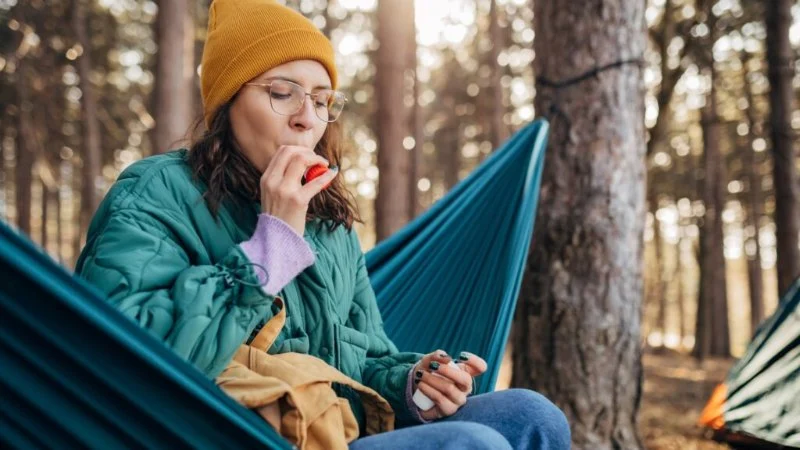
Dealing with Allergies and Asthma While Camping
Camping is a great way to reconnect with nature and enjoy some outdoor adventure, but for those who suffer from allergies or asthma, it can also present some challenges. Whether it's pollen, dust, or sudden temperature changes, exposure to outdoor allergens can trigger discomfort and breathing problems. In this article, we’ll discuss essential tips for managing allergies and asthma while camping and how you can still enjoy your time outdoors.
- Understanding Allergies and Asthma in the Outdoors
- Preparation Tips Before You Camp
- What to Do During Your Camping Trip
- How Camping Cabins Can Help with Allergies and Asthma
1. Understanding Allergies and Asthma in the Outdoors
Allergies and asthma are common conditions that can be triggered by exposure to outdoor elements. While the fresh air and beautiful landscapes are a highlight of camping, certain environmental factors can cause discomfort for those with respiratory conditions.

Deluxe Cabin 306
East Greenwich TownshipGloucester CountyNew Jersey
111 Timberlane Rd, Clarksboro, NJ 08020, USA
Common Allergens in the Outdoors
There are many common outdoor allergens that can trigger allergic reactions and asthma symptoms, including:
- Pollen – From trees, grasses, and weeds, pollen is one of the most common triggers for seasonal allergies.
- Mold – Damp areas, especially near lakes or streams, can foster mold growth, which can aggravate asthma.
- Dust and Dirt – Dust in campgrounds or on hiking trails can trigger both asthma and allergy symptoms.
- Animal Dander – Pets or wildlife around your campsite can release dander, which can be a significant trigger for some people.
Understanding these allergens is the first step in managing your symptoms effectively while camping. Knowing what to avoid and how to prepare is key to a successful outdoor experience.
2. Preparation Tips Before You Camp
Being well-prepared before your camping trip is essential when dealing with allergies and asthma. Proper planning can help you avoid triggers and ensure that you’re ready to manage any issues that arise during your trip.
1. Check the Pollen Forecast
Before you head out, check the pollen count for the area you plan to visit. If pollen levels are particularly high, you might want to adjust your trip or prepare for extra precautions, such as bringing allergy medications or staying in a location with less exposure to allergens.
2. Pack Allergy and Asthma Medications
Make sure to pack all necessary medications, including:
- Your daily asthma inhaler or any rescue inhalers you may need.
- Allergy medications such as antihistamines or nasal sprays.
- Any other prescribed medication or treatments specific to your allergies or asthma.
Consider bringing extras in case of delays or extended stays, and always store medications in an easily accessible place.
3. Choose a Good Campsite
Select a campsite that minimizes exposure to allergens. Try to avoid areas with high pollen counts, damp conditions (which can lead to mold), or high levels of dust. It’s also a good idea to camp away from areas where wildlife or pets are common.
3. What to Do During Your Camping Trip
Even with the best preparations, it’s important to continue managing your asthma and allergies while you’re camping. Here are some tips to stay comfortable and avoid flare-ups:
1. Create an Allergy-Free Zone
Set up your campsite in a way that minimizes allergens. Use tarps or tents with proper ventilation to keep dust and pollen out. A well-sealed tent can also help keep mold spores at bay. For those with asthma or severe allergies, consider using an air purifier if space allows.
2. Stay Inside During Peak Pollen Hours
Pollen counts are often highest in the early morning and late afternoon. If you’re particularly sensitive, consider staying inside during these hours and taking the opportunity to rest, read, or relax in your tent or cabin.
3. Keep Hydrated
Drinking plenty of water can help thin mucus and make it easier to breathe. Dehydration can worsen allergy and asthma symptoms, so stay hydrated throughout your camping trip, especially in dry or dusty conditions.
4. Avoid Smoke and Strong Odors
Campfires are a great part of camping, but smoke can trigger asthma symptoms. If you're sensitive to smoke, try to keep your distance from the fire or limit your exposure. Additionally, be cautious of strong smells from nearby plants or flowers that could trigger allergies.
4. How Camping Cabins Can Help with Allergies and Asthma
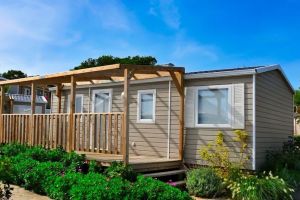
If you're concerned about outdoor allergens or the difficulties of camping with asthma, consider staying in a camping cabin. A cabin provides more control over the environment compared to traditional tent camping. Here are a few benefits of opting for a camping cabin:
1. Climate Control
Camping cabins often feature climate control, such as air conditioning or heating, which allows you to avoid exposure to extreme temperatures or humidity. This is especially helpful for those with asthma, as drastic temperature changes can trigger symptoms.
2. Allergy-Free Environment
Cabins offer a more enclosed space, which helps to keep out allergens like pollen, mold, and dust. Many cabins are also located in less humid, well-ventilated areas, which reduces the likelihood of mold growth.
3. Comfort and Convenience
With the amenities provided in a cabin, such as comfortable bedding and fully equipped kitchens, you can focus on enjoying the experience rather than worrying about outdoor allergens. Plus, cabins often offer cleaner, more controlled environments compared to traditional camping.
For those with allergies and asthma, staying in a cabin can significantly enhance the camping experience, allowing you to enjoy nature without compromising your health. Visit Camping Cabins for the perfect getaway in a comfortable and allergen-friendly environment.
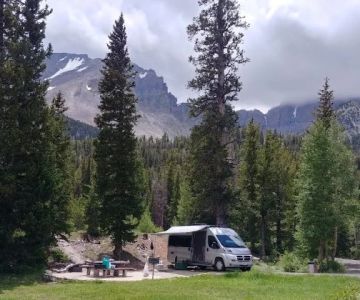
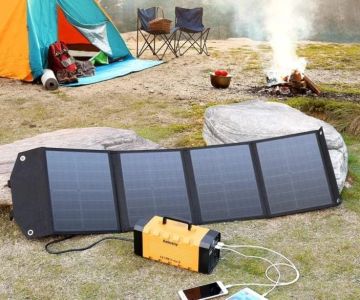


 Crampton Gap Cabin PATC4.0 (4 reviews)
 Chincoteague Bay RV Resort & Cottages4.0 (141 reviews)
 Mobile Estates of Southampton4.0 (116 reviews)
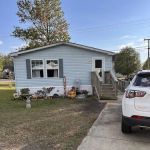 Cedar Grove Park4.0 (22 reviews)
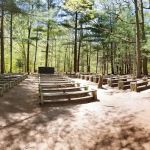 Baiting Hollow Scout Camp- Boy Scouts of America4.0 (92 reviews)
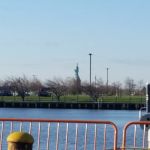 Liberty Harbor RV Park3.0 (930 reviews)
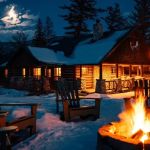 Why Winter is the Best Time for a Camping Cabin Getaway
 Best Remote Camping Cabins for Stargazing and Night Adventures in the U.S.
 The 10 Must-Have Amenities for a Comfortable Stay in Your Camping Cabin
 Winter Camping Cabins: How to Stay Cozy and Warm in the Cold
 How to Create the Ultimate Outdoor Experience with a Camping Cabin
 Best Camping Cabins with Stunning Views of National Parks and Forests