
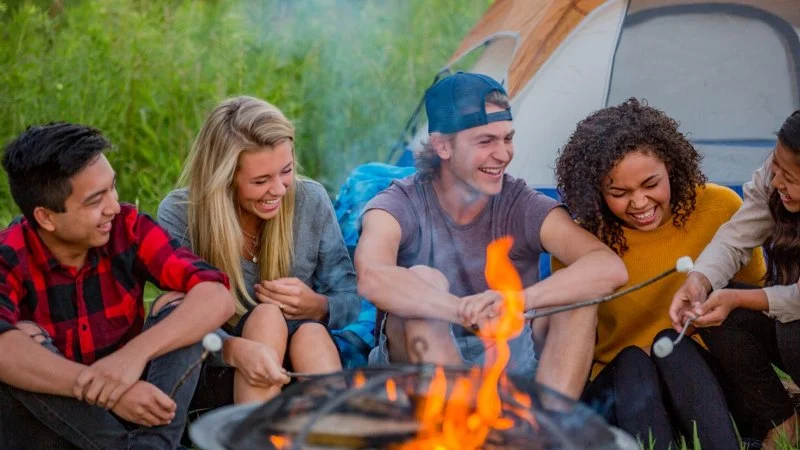
Why Camping with Teens Feels More Challenging Today
Camping with teens can feel very different from camping with younger kids. Teenagers are more independent, more socially connected, and far more attached to their phones. For many parents, the biggest fear is spending a weekend outdoors only to watch their teen scroll endlessly instead of engaging with nature or family.
This challenge is especially common in the US, where teens are used to constant connectivity. Camping removes familiar comforts, which can trigger boredom or resistance at first. Understanding this mindset is the first step toward creating a trip that feels meaningful rather than forced.

Goethals Community
2701 Goethals Rd N Apartment D15, Staten Island, NY 10303, USA
Setting the Tone Before You Even Leave Home
One of the most effective ways to get teens off their phones during camping is to start the conversation early. Expectations matter more than rules.

Salisbury Camping and Adventure Park
SalisburyWicomico CountyMaryland
Camping and Adventure Park, 27157 Riverside Dr Ext, Salisbury, MD 21801, USA
1. Involving Teens in the Planning Process
When teens help choose the destination, activities, or even meals, they feel a sense of ownership. A trip that feels like their idea is far more likely to hold their attention.
Ask what they want to try, whether it is hiking, kayaking, photography, or campfire cooking. This shifts the trip from a parental directive to a shared experience.
2. Setting Reasonable Phone Boundaries
Instead of banning phones outright, many families find success by setting clear but flexible guidelines. For example, phones might be allowed for photos, music, or a short check-in window, but not constant use.
This approach reduces resistance and makes teens more open to unplugging.
Activities That Naturally Pull Teens Away from Screens
The key to engagement is offering experiences that compete with digital stimulation, not lecturing against it.
1. Challenge-Based Outdoor Activities
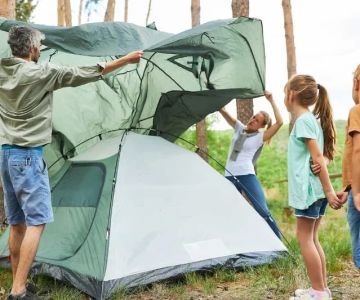
Teens respond well to challenges. Activities like trail navigation, setting up camp independently, or learning fire-building techniques tap into their desire for competence and autonomy.
These moments create focus and pride, two things phones rarely provide in the same way.
2. Creative and Social Experiences
Encouraging teens to document the trip through photography, journaling, or even short video clips gives them a creative outlet that still feels familiar. The difference is that the phone becomes a tool, not the destination.
Campfire conversations, group games, and shared meals often become the highlight once teens relax into the environment.
Real Family Stories: What Actually Worked
A family from Colorado shared that their teenage son resisted a weekend camping trip until they agreed he could plan one day entirely. He chose a longer hike and a campfire cooking challenge. By the second night, he forgot to check his phone altogether.
Another family found success by staying in Camping Cabins rather than traditional tents. The added comfort helped their teens ease into the outdoor experience without feeling overwhelmed, making them more open to activities and group time.
These stories show that flexibility often leads to better engagement than strict control.
Creating Space for Independence Without Losing Connection
Teens value independence, even on family trips. Allowing appropriate freedom, such as solo walks near camp or responsibility for certain tasks, builds trust and confidence.
At the same time, shared routines like morning coffee, evening campfires, or planning the next day together maintain connection without forcing it.
Camping with teens works best when it respects who they are becoming. By balancing structure with freedom and replacing phone time with meaningful experiences, families can turn a potentially frustrating trip into one that creates lasting memories.


 Wappinger Falls Manufactured Housing4.0 (11 reviews)
 Craft Haven Campground & Marina4.0 (121 reviews)
 Shore Park Campground Aberdeen4.0 (40 reviews)
 Allaire State Park Campground4.0 (123 reviews)
 Spencer Guest Cottages5.0 (2 reviews)
 NEVERLAND Cabin Wilder4.0 (5 reviews)
 Why Winter is the Best Time for a Camping Cabin Getaway
 Best Remote Camping Cabins for Stargazing and Night Adventures in the U.S.
 The 10 Must-Have Amenities for a Comfortable Stay in Your Camping Cabin
 Winter Camping Cabins: How to Stay Cozy and Warm in the Cold
 How to Create the Ultimate Outdoor Experience with a Camping Cabin
 Best Camping Cabins with Stunning Views of National Parks and Forests