
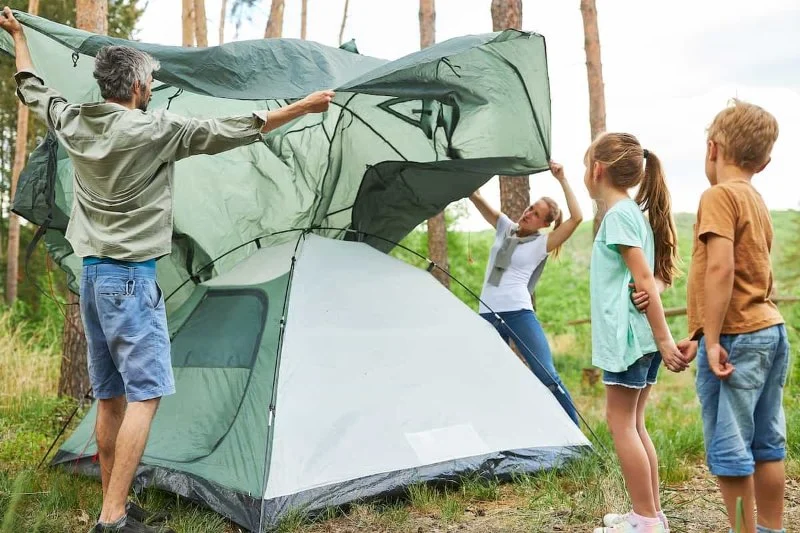
1. Why You Need a Camping Emergency Plan
When camping with your family, being prepared for an emergency is crucial. Whether you're hiking through dense forests or setting up camp by a peaceful lake, things can change in an instant. An emergency plan is essential for ensuring your family's safety in unexpected situations, such as sudden weather changes, medical emergencies, or getting lost. Having a well-thought-out emergency plan provides peace of mind, knowing that everyone knows what to do in case of an emergency.
Families who camp without a plan are at greater risk of mishandling emergencies. Imagine a situation where you or a family member falls ill or an unexpected storm approaches. Without clear instructions and prior preparation, panic can easily set in. With a solid camping emergency plan, your family will know exactly how to handle any situation calmly and effectively.
2. Key Components of a Camping Emergency Plan
Creating an emergency plan for camping involves several important components that should be covered. Here’s a breakdown of the key elements you need to include in your plan:
- Communication Plan: Determine how you will communicate with each other, especially if you get separated. Make sure everyone has a whistle, a walkie-talkie, or a fully charged mobile phone (if service is available). Establish meeting points in case you need to regroup.
- Medical Emergencies: Identify potential medical risks in the area (e.g., wildlife encounters, allergies) and make a list of necessary medications. Ensure you have a well-stocked first-aid kit and know the location of the nearest medical facility.
- Evacuation Routes: Research the area before your trip and mark out possible evacuation routes. Know where the nearest roads or exits are in case you need to leave the campsite quickly.
- Emergency Contact Information: Have a list of emergency contacts, including local authorities and loved ones back home. Share your itinerary and expected return date with someone who isn't going on the trip.
3. Steps to Create an Effective Emergency Plan
Once you understand the key components of your emergency plan, it’s time to put it into action. Here’s how you can create a comprehensive plan:
- Assess the Risks: Start by considering the location and the possible risks you might face. Research the camping area for wildlife dangers, weather forecasts, and natural hazards such as rivers or cliffs.
- Gather Your Family and Discuss the Plan: Hold a family meeting before the trip. Ensure everyone knows their role in the event of an emergency. This is a good time to practice emergency procedures, like signaling with a whistle or how to use a first-aid kit.
- Designate a Leader: Appoint a family member as the leader to make decisions in case of emergencies. This will prevent confusion and help streamline actions.
- Plan for Communication: Set up a clear communication plan, including how to use devices and the location of your emergency kit. Make sure every family member knows how to use any tools that will aid in the emergency plan.
- Prepare for Evacuations: If necessary, ensure your family is comfortable with evacuation procedures. Practice the evacuation route and ensure everyone knows where to go in case of a fire or other emergency.
4. Staying Prepared with Essential Camping Gear
Having the right camping gear is crucial to ensure safety and comfort during your outdoor adventure. Essential camping gear should include the following:
- First-Aid Kit: A complete first-aid kit with bandages, antiseptics, gauze, pain relievers, and any personal medications you may need.
- Emergency Blankets: Compact, thermal emergency blankets can provide warmth in case of unexpected weather conditions or if you need to wait for help.
- Survival Tools: A multi-tool, flashlight, fire starter, and waterproof matches are essential in any emergency kit. Make sure they’re easily accessible at all times.
- Portable Power Bank: If you rely on electronics for communication or navigation, a portable charger can ensure your devices stay powered throughout the trip.
Remember, the more prepared you are, the safer and more enjoyable your camping trip will be. Make sure you review and update your camping emergency plan and gear regularly.
5. Real-Life Emergency Camping Cases
Learning from real-life emergencies can help you plan more effectively. For example, a family in the Pacific Northwest had their camping trip interrupted when an unexpected storm rolled in, leaving them stranded without clear communication. Fortunately, they had a pre-established emergency plan, which allowed them to quickly contact emergency services and evacuate safely.
Another case involved a group of campers who got separated during a hike in the mountains. Because they had set up clear meeting points and knew how to use their walkie-talkies, they were able to regroup and avoid further danger. These stories highlight the importance of preparation and being proactive with your camping emergency plan.
6. Finding the Right Camping Accommodations
Once you have your emergency plan in place, finding the right camping accommodations is the next step. Whether you're interested in tents, RVs, or cabin rentals, choosing the right setup will contribute to a safer and more comfortable camping experience. Consider using services like Camping Cabins, which offers a variety of options, from rustic cabins to fully-equipped camping sites, ideal for your next family adventure.
By selecting accommodations that are safe, comfortable, and well-equipped with essential amenities, you can further reduce the chances of needing your emergency plan. It’s always a good idea to choose a campsite with easy access to help in case of emergencies, such as proximity to medical facilities or rangers.

 Green Acres3.0 (168 reviews)
 Amelia Beach4.0 (14 reviews)
 West Street Village Mobile Home Community3.0 (3 reviews)
 Fawn Valley3.0 (4 reviews)
 Campsite J410.0 (0 reviews)
 Holiday Park Campground4.0 (81 reviews)
 Why Winter is the Best Time for a Camping Cabin Getaway
 Best Remote Camping Cabins for Stargazing and Night Adventures in the U.S.
 The 10 Must-Have Amenities for a Comfortable Stay in Your Camping Cabin
 Winter Camping Cabins: How to Stay Cozy and Warm in the Cold
 How to Create the Ultimate Outdoor Experience with a Camping Cabin
 Best Camping Cabins with Stunning Views of National Parks and Forests