
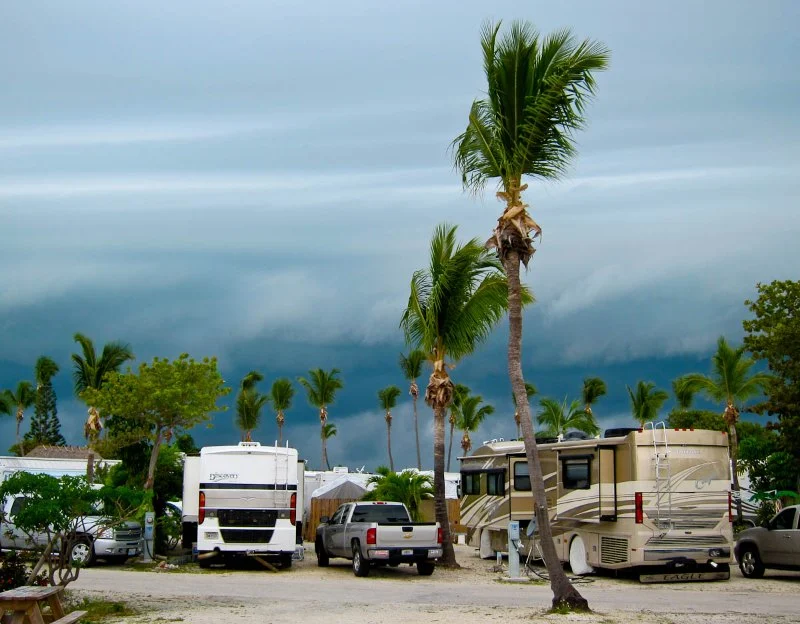
How to Camp in an RV During a Thunderstorm and Stay Safe
- Understanding Thunderstorms and Their Risks
- How Thunderstorms Affect RV Camping
- Safety Tips for RV Camping During a Thunderstorm
- Real-Life Story of Camping During a Thunderstorm
- Why Choose Camping Cabins for Safe and Comfortable Camping
Understanding Thunderstorms and Their Risks
Thunderstorms are a natural weather phenomenon that can bring heavy rain, lightning, and even high winds. When camping in an RV, thunderstorms can pose significant risks to your safety, especially if you're not prepared. Understanding how thunderstorms form and how to respond during one is key to staying safe while enjoying the outdoors.
Thunderstorms occur when warm, moist air rises rapidly, creating instability in the atmosphere. As the air rises, it cools and condenses, forming clouds and releasing energy in the form of lightning and thunder. While these storms can be beautiful to watch from a distance, they can quickly turn dangerous if you’re caught unprepared in an RV.
Singh Estates
ClintonLower Connecticut River Valley Planning RegionConnecticut
16 Stony Point Rd, Clinton, CT 06413, USA
How Thunderstorms Affect RV Camping
RV camping offers a unique experience by combining the freedom of the outdoors with the comfort of a mobile home. However, when thunderstorms strike, they can quickly disrupt your plans and pose risks to your safety.

Pocono Point RV & Campground
LehightonCarbon CountyPennsylvania
1500 Rock St, Lehighton, PA 18235, USA
1. Lightning Strikes
One of the most dangerous aspects of a thunderstorm is lightning. RVs, especially those made of metal, can attract lightning, and a direct strike can cause serious injury or even be fatal. Even if lightning doesn’t directly strike your RV, nearby strikes can cause power surges that damage your electrical systems.
2. Flash Flooding
Thunderstorms often bring heavy rain, which can lead to flash flooding, especially in low-lying areas. If you're camping near a river or in a flood-prone area, it’s essential to know how to move your RV to higher ground quickly. Flash floods can occur with little warning, and getting to safety is paramount.
3. Strong Winds
High winds during a thunderstorm can pose risks to your RV. These winds can overturn smaller RVs, uproot trees, or blow debris into your RV, damaging windows or even causing structural damage. It's crucial to anchor your RV properly and park it in a secure location to minimize wind damage.
Safety Tips for RV Camping During a Thunderstorm
While it may not always be possible to avoid a thunderstorm, there are several precautions you can take to ensure your safety while camping in your RV.
1. Find a Safe Location
When setting up camp, try to park your RV in an area that minimizes the risk of lightning, flooding, and high winds. Avoid parking under trees or near tall structures that could attract lightning. Choose a flat, elevated area that’s not prone to flooding.
2. Disconnect Electrical Appliances
To protect yourself from power surges caused by lightning strikes, it’s important to unplug electrical appliances in your RV during a thunderstorm. This will help prevent damage to your RV’s electrical system and any devices connected to it.
3. Stay Inside During the Storm
Once the storm begins, stay inside your RV and avoid touching metal surfaces, including door handles, window frames, and appliances, as these can conduct electricity in the event of a lightning strike. It’s also a good idea to stay away from windows to prevent injury from flying debris.
4. Use a Weather Radio or App
Stay informed about weather conditions by using a weather radio or app. This will allow you to track the storm’s progress and be aware of any tornado warnings or other severe weather alerts. Being prepared and informed will help you make quick decisions if the storm worsens.
5. Prepare for Evacuation
Know the evacuation routes from your campsite and have an emergency plan in place. If the storm becomes dangerous or if you are in a flood-prone area, you may need to move your RV quickly to a safer location. Having your RV ready for quick departure can make all the difference.
Real-Life Story of Camping During a Thunderstorm
One summer, a family of four was camping in their RV at a scenic campsite when a sudden thunderstorm rolled in. They were parked in a low-lying area near a river, and the heavy rains quickly caused flash flooding. Fortunately, the family had prepared by listening to weather updates and had moved their RV to higher ground just in time.
The storm brought strong winds, but the RV held up well due to their careful choice of parking spot and the fact that they had secured their outdoor gear. Despite the intense storm, the family remained safe inside their RV, watching the lightning from a distance and staying connected to weather alerts. The experience taught them the importance of being prepared and aware of their surroundings when RV camping during a thunderstorm.
Why Choose Camping Cabins for Safe and Comfortable Camping
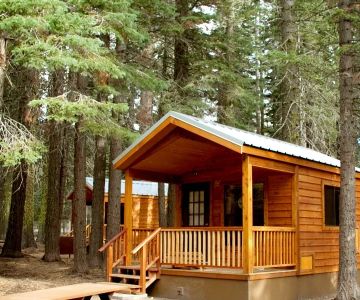
If you’re looking for a safer and more secure alternative to RV camping during storms, consider staying in a camping cabin. Camping cabins offer shelter from the elements and provide a more stable environment during adverse weather conditions, like thunderstorms. Many camping cabins are equipped with modern amenities, including heating, cooling, and reliable electricity, making them a comfortable option during bad weather.
For more information about booking camping cabins in your area, visit Camping Cabins for the best selection and deals. Enjoy a safer, more comfortable camping experience during thunderstorms without the worry of RV risks.


 East Hampton Village Manufactured Home Community4.0 (49 reviews)
 Wading Pines Camping Resort4.0 (435 reviews)
 Terry's Mobile Home Park3.0 (137 reviews)
 Delaware Seashore State Park North Campground4.0 (168 reviews)
 Marsden Tract Group Campground4.0 (38 reviews)
 Thousand Trails Chestnut Lake4.0 (299 reviews)
 Why Winter is the Best Time for a Camping Cabin Getaway
 Best Remote Camping Cabins for Stargazing and Night Adventures in the U.S.
 The 10 Must-Have Amenities for a Comfortable Stay in Your Camping Cabin
 Winter Camping Cabins: How to Stay Cozy and Warm in the Cold
 How to Create the Ultimate Outdoor Experience with a Camping Cabin
 Best Camping Cabins with Stunning Views of National Parks and Forests