
- 1. Why Minimal Impact Camping Matters
- 2. Eco-Friendly Camping Tips
- 3. How to Choose Sustainable Camping Gear
- 4. Real-Life Examples of Minimal Impact Camping
1. Why Minimal Impact Camping Matters
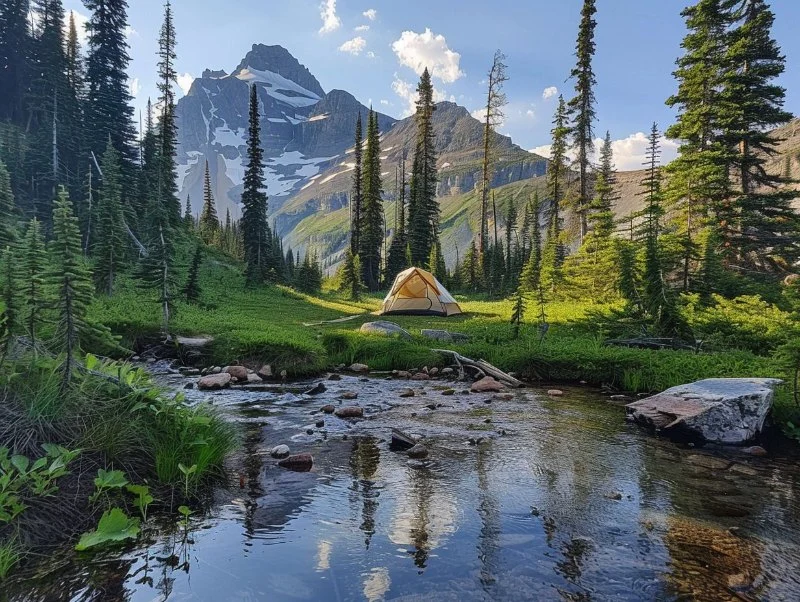
Camping allows us to reconnect with nature, but it also carries the responsibility of preserving the very environment we enjoy. As outdoor enthusiasts, it's crucial to reduce our impact on the ecosystems we visit. Minimal impact camping is all about enjoying the outdoors while minimizing damage to the environment. With the increasing popularity of camping, it’s more important than ever to adopt eco-friendly practices that protect the land, wildlife, and natural resources.
When we camp without considering the environmental consequences, it can lead to issues like pollution, damage to wildlife habitats, and the depletion of natural resources. By practicing minimal impact camping, we can ensure that future generations will also have the opportunity to enjoy these pristine environments. Plus, adopting sustainable camping practices allows us to be part of the solution rather than the problem.

2. Eco-Friendly Camping Tips
Whether you're an experienced camper or new to the outdoors, there are several ways to reduce your environmental impact while camping. Here are some practical tips to help you get started:
- Leave No Trace: Always follow the Leave No Trace principles. These seven principles help campers reduce their environmental impact by promoting actions like cleaning up after yourself, avoiding damage to plants and trees, and respecting wildlife.
- Respect Wildlife: Keep your distance from animals and avoid feeding them. Human food can be harmful to wildlife, and feeding animals disrupts their natural behaviors. Make sure to store food securely to prevent animals from scavenging.
- Choose Campgrounds That Practice Sustainability: Many campgrounds are adopting sustainable practices, such as composting toilets, eco-friendly waste management, and using renewable energy. By choosing these campgrounds, you support businesses that prioritize environmental stewardship.
- Minimize Water Usage: Be mindful of your water usage while camping. Use water sparingly, especially in areas where water is scarce. Consider bringing water purification tablets or a filtration system to avoid using disposable plastic bottles.
3. How to Choose Sustainable Camping Gear
When shopping for camping gear, it’s important to choose items that are both durable and eco-friendly. Sustainable camping gear can last longer and has less impact on the environment. Here are some tips for selecting the right gear:
- Opt for Reusable Items: Instead of disposable items like plastic plates and cups, choose reusable alternatives made of stainless steel, bamboo, or other sustainable materials. This will reduce waste and lessen your environmental footprint.
- Choose Gear with Minimal Packaging: Look for camping gear that comes in minimal or recyclable packaging. This reduces waste and helps prevent the accumulation of non-biodegradable materials in nature.
- Go for Eco-Friendly Materials: Look for camping products made from sustainable materials such as organic cotton, recycled polyester, or biodegradable items. Many companies now offer products that prioritize sustainability without compromising on quality or performance.
- Buy High-Quality, Durable Gear: Investing in high-quality camping gear ensures that it will last longer and reduce the need for frequent replacements. Durable gear helps conserve resources by reducing the amount of waste generated by disposable items.
4. Real-Life Examples of Minimal Impact Camping
Many campers and organizations have embraced minimal impact camping and are setting excellent examples. For instance, in the Pacific Northwest, several eco-conscious campsites have adopted composting toilets, solar-powered showers, and water-saving techniques, helping to preserve the surrounding wilderness. Similarly, organizations like the Leave No Trace Center for Outdoor Ethics provide educational programs that teach campers how to enjoy the outdoors sustainably.
In addition, outdoor groups and camping communities are coming together to clean up trails, remove litter, and restore damaged habitats. These real-life examples show how small changes, such as picking up trash or choosing eco-friendly products, can make a big difference in the long run. By following in the footsteps of these leaders, you can contribute to the preservation of the natural world while still enjoying the beauty of the outdoors.
Adopting minimal impact camping practices is simple and rewarding. Whether you're hiking through the mountains, camping by a lake, or exploring a national park, there are countless ways to reduce your environmental footprint. Start by following these tips, and you'll be able to enjoy nature responsibly while preserving it for future generations.
Looking for eco-friendly camping gear? Visit Camping Cabins for sustainable products and expert recommendations to enhance your camping experience!






 Hearst Cabin4.0 (7 reviews)
 Red Oak Shores Campground4.0 (42 reviews)
 Tri-State RV Park4.0 (324 reviews)
 Walnut Lane Mobile Home Park5.0 (1 reviews)
 eastwood mobile home park | groton, ct 063404.0 (19 reviews)
 Peconicview Mobile Home Park3.0 (16 reviews)
 Why Winter is the Best Time for a Camping Cabin Getaway
 Best Remote Camping Cabins for Stargazing and Night Adventures in the U.S.
 The 10 Must-Have Amenities for a Comfortable Stay in Your Camping Cabin
 Winter Camping Cabins: How to Stay Cozy and Warm in the Cold
 How to Create the Ultimate Outdoor Experience with a Camping Cabin
 Best Camping Cabins with Stunning Views of National Parks and Forests