
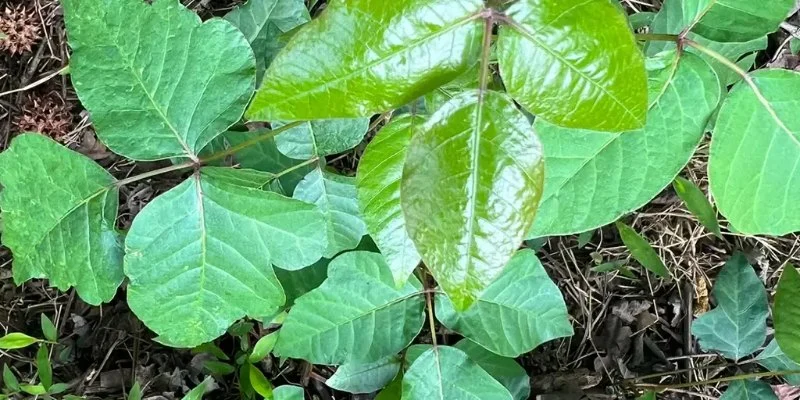
- Introduction to Poisonous Plants
- What is Poison Ivy?
- How to Identify Poison Ivy
- What is Poison Oak?
- How to Identify Poison Oak
- What is Poison Sumac?
- How to Identify Poison Sumac
- Tips to Avoid Poison Ivy, Oak, and Sumac
- How to Treat Poison Ivy, Oak, and Sumac Rash
Introduction to Poisonous Plants
Poison ivy, poison oak, and poison sumac are three of the most common poisonous plants in North America. They cause uncomfortable rashes when their oil, called urushiol, comes in contact with the skin. While these plants are a common hazard in outdoor activities like hiking and camping, learning how to identify them can help you avoid the painful reactions they cause. In this guide, we will cover tips and images to help you stay safe and prevent exposure to these harmful plants.

Breezy Point Beach & Campground
Chesapeake BeachCalvert CountyMaryland
5300 Breezy Point Rd, Chesapeake Beach, MD 20732, USA
What is Poison Ivy?
Poison ivy is a shrub or vine found throughout North America. It’s notorious for causing a rash when its oils come into contact with the skin. The plant typically has three leaves, which is why you may have heard the saying, "Leaves of three, let it be." However, poison ivy can grow in different shapes, from creeping vines to small shrubs, making it tricky to identify.

Lake Kandle
Washington TownshipGloucester CountyNew Jersey
250 Chapel Heights Rd, Sewell, NJ 08080, USA
How to Identify Poison Ivy
1. The "Leaves of Three" Rule
Poison ivy leaves usually grow in groups of three. The central leaf is the largest, with two smaller leaves on either side. The edges of the leaves may be smooth, jagged, or slightly lobed. It’s important to note that the shape of the leaves can vary depending on the plant’s environment and the season.
2. The Color of the Leaves
In spring and summer, poison ivy leaves are typically bright green, while in the fall, they turn red or orange. During winter, poison ivy can still be identified by its woody vines or bare branches.
3. Location and Growth Patterns
Poison ivy can grow as a ground cover, a shrub, or a vine that climbs trees. It’s commonly found in wooded areas, along trails, and in the underbrush. The plant thrives in areas with direct sunlight and moist soil.
What is Poison Oak?
Poison oak is another plant that causes a similar rash to poison ivy. It is found primarily in the western United States but can also be found in other regions. Poison oak has leaves that resemble oak leaves, which is where it gets its name. Like poison ivy, poison oak produces urushiol oil, which causes a rash when it touches the skin.
How to Identify Poison Oak
1. Leaf Shape
Poison oak leaves are often lobed, similar to oak tree leaves. The leaves grow in clusters of three, but they can have a variety of shapes and sizes. In the spring and summer, the leaves are usually green, and in the fall, they can turn red or yellow.
2. Leaf Surface
The surface of poison oak leaves is often hairy, giving them a rough texture. This feature is a good identifying characteristic that sets them apart from other plants.
3. Growth Habit
Poison oak can grow as a shrub or as a vine, similar to poison ivy. It is commonly found in areas with disturbed soil, like the edges of forests, fields, and trails.
What is Poison Sumac?
Poison sumac is less common than poison ivy and oak but is more dangerous because it can grow as a tree in swampy, wet areas. It produces a potent oil that can cause severe rashes upon contact. Unlike poison ivy and oak, poison sumac typically has more than three leaflets, with seven to 13 leaflets on each stem.
How to Identify Poison Sumac
1. Leaf Arrangement
Poison sumac has long, compound leaves with several leaflets on each stem. These leaves are smooth-edged and arranged in pairs along the stem. Unlike poison ivy and oak, which usually have three leaflets, poison sumac has more leaflets that can number up to 13 per stem.
2. Color and Texture
The leaves of poison sumac are glossy and usually have a red or orange color when young, turning green as they mature. In the fall, the leaves turn yellow, orange, or red. Poison sumac grows in wet, swampy areas, so it’s commonly found in areas like bogs or along riverbanks.
Tips to Avoid Poison Ivy, Oak, and Sumac
1. Learn to Identify the Plants
The best way to avoid a rash is to familiarize yourself with how poison ivy, poison oak, and poison sumac look. Use pictures and guides to identify these plants while hiking or camping.
2. Wear Protective Clothing
When spending time outdoors in areas where these plants are common, wear long sleeves, pants, gloves, and boots to prevent skin contact. It’s also helpful to wash your clothing and gear after coming into contact with these plants.
3. Wash Immediately
If you come into contact with poison ivy, oak, or sumac, wash the affected area as soon as possible with soap and water to remove the oils before they can cause a rash. The longer you wait, the more likely the rash will appear.
How to Treat Poison Ivy, Oak, and Sumac Rash
If you do get a rash from one of these plants, there are several treatments you can try. Over-the-counter hydrocortisone creams, calamine lotion, and antihistamines can help reduce itching and inflammation. In severe cases, you may need to see a doctor for prescription treatment or a steroid shot.
For more helpful outdoor products and camping essentials, visit Camping Cabins to find everything you need for your next outdoor adventure, including gear to help you avoid poison ivy, oak, and sumac!






 Old Mill Stream Campground4.0 (460 reviews)
 Mill Creek Camping Area4.0 (35 reviews)
 Breezy Hills5.0 (1 reviews)
 Ledgewood Heights MHC4.0 (3 reviews)
 Murray Manor Manufactured Home Community3.0 (83 reviews)
 Three Gardens4.0 (7 reviews)
 Why Winter is the Best Time for a Camping Cabin Getaway
 Best Remote Camping Cabins for Stargazing and Night Adventures in the U.S.
 The 10 Must-Have Amenities for a Comfortable Stay in Your Camping Cabin
 Winter Camping Cabins: How to Stay Cozy and Warm in the Cold
 How to Create the Ultimate Outdoor Experience with a Camping Cabin
 Best Camping Cabins with Stunning Views of National Parks and Forests