
- 1. Understanding the Dutch Oven
- 2. Importance of Temperature in Dutch Oven Cooking
- 3. Dutch Oven Temperature Chart
- 4. Signature Dutch Oven Recipes
- 5. Tips for Perfect Dutch Oven Cooking
1. Understanding the Dutch Oven
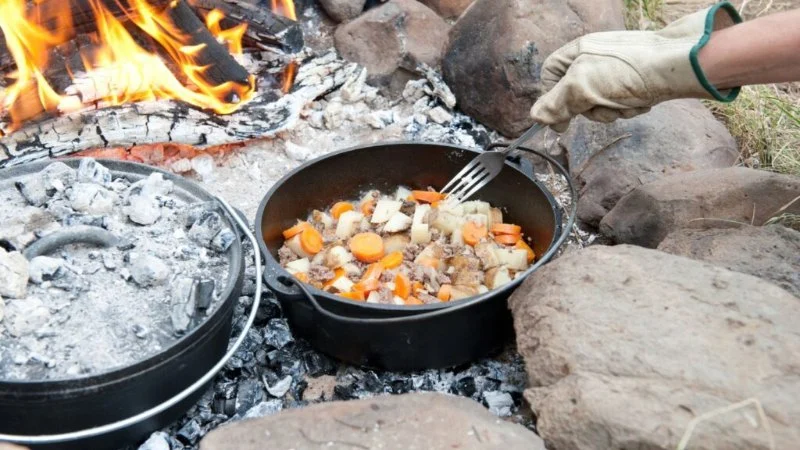
The Dutch oven is one of the most versatile pieces of cookware, cherished by home cooks and professional chefs alike. Known for its ability to retain and distribute heat evenly, the Dutch oven is perfect for slow-cooking, roasting, braising, baking, and even frying. Whether you're making a hearty stew, baking fresh bread, or cooking a roast, a Dutch oven can do it all.
Made from heavy cast iron and often coated with enamel, Dutch ovens are built to withstand high heat and retain it for long periods, making them ideal for cooking foods that require slow, even heating. They can be used both on the stovetop and in the oven, giving them a unique flexibility in the kitchen.

2. Importance of Temperature in Dutch Oven Cooking
Temperature control is key to mastering Dutch oven cooking. Because the material is heavy and retains heat well, it’s important to understand how to manage the temperature for the best results. Too high of a temperature can burn food, while too low can lead to undercooked dishes.
Whether you're braising meats, simmering soups, or baking bread, temperature is a crucial factor in ensuring your dishes come out perfectly. The Dutch oven's ability to hold consistent temperatures allows you to cook dishes slowly and evenly, preserving flavors and tenderness.

Holly Village Holly Michigan
MillvilleCumberland CountyNew Jersey
350 Silver Run Rd, Millville, NJ 08332, USA
3. Dutch Oven Temperature Chart
To get the most out of your Dutch oven, it’s helpful to know the ideal cooking temperatures for different types of dishes. Here's a basic Dutch oven temperature chart to guide your cooking:
Low Heat (200°F - 250°F)
Perfect for slow braising, simmering soups, and stews. Low heat helps tenderize tougher cuts of meat and allows flavors to meld together over time.
Medium Heat (300°F - 350°F)
This range is ideal for most roasting, baking, and braising recipes. It’s great for cooking dishes like roasted chicken, pot roast, or baked casseroles.
High Heat (375°F - 450°F)
Use high heat for dishes that require a quick sear, such as frying or baking crusty bread. This is also the ideal temperature for caramelizing vegetables or getting a nice crispy skin on meats.
Preheating
If you’re baking with a Dutch oven, such as for bread, preheating the oven and the Dutch oven itself is important for achieving the perfect crust. Always follow the specific recipe’s temperature recommendations for optimal results.
4. Signature Dutch Oven Recipes
Now that you have a good understanding of temperature control, let’s explore some signature recipes you can try in your Dutch oven. These recipes highlight the versatility of the Dutch oven, whether you’re in the mood for savory comfort food or sweet treats.
Beef Stew
A classic dish for Dutch oven cooking, beef stew benefits from the even heat distribution of the Dutch oven, making the meat tender and flavorful. The long, slow cooking process allows the vegetables and meat to absorb the savory broth.
Ingredients:
- 2 lbs beef chuck, cut into chunks
- 4 medium carrots, sliced
- 3 potatoes, cubed
- 1 onion, diced
- 4 cups beef broth
- 1 cup red wine
- 2 tbsp tomato paste
- 1 tsp thyme
- Salt and pepper to taste
Directions:
1. Preheat your Dutch oven over medium heat and add a bit of olive oil. Brown the beef chunks on all sides. 2. Remove the beef and sauté the onions, carrots, and potatoes until soft. 3. Add the tomato paste and cook for 2 minutes. 4. Return the beef to the pot and pour in the wine, scraping any browned bits from the bottom. 5. Add the beef broth, thyme, salt, and pepper. Bring to a simmer. 6. Cover and place in a 325°F (163°C) oven. Cook for 2-3 hours until the beef is tender and the stew is rich and flavorful.
Bread Baking in a Dutch Oven
One of the best things you can make in your Dutch oven is a loaf of crusty, rustic bread. The Dutch oven’s heavy lid traps steam, creating the perfect environment for bread to rise and develop a golden, crisp crust.
Ingredients:
- 3 cups all-purpose flour
- 1 tsp salt
- 1/2 tsp yeast
- 1 1/2 cups warm water
Directions:
1. Mix the flour, salt, and yeast in a large bowl. Gradually add warm water until a dough forms. 2. Knead the dough for 10 minutes, then let it rest for 1-2 hours until doubled in size. 3. Preheat your Dutch oven at 450°F (230°C). 4. Shape the dough into a ball and place it in the preheated Dutch oven. Cover with the lid. 5. Bake for 30-35 minutes, removing the lid halfway through to allow the top to brown. Let cool before slicing.
5. Tips for Perfect Dutch Oven Cooking
To make sure you get the best results from your Dutch oven, here are some helpful tips:
1. Don’t Overcrowd
When cooking in your Dutch oven, don’t overcrowd the pot. Allow enough room for food to cook evenly and for heat to circulate properly.
2. Use the Right Size Dutch Oven
Choose a Dutch oven that suits the amount of food you plan to cook. For small meals, a 4-quart Dutch oven works well, while larger meals may require a 6- or 7-quart size.
3. Preheat When Necessary
For recipes like bread or crispy meats, preheating your Dutch oven is essential for getting the right texture and crust.
4. Use Low to Medium Heat
For most recipes, cooking over low to medium heat helps to maintain consistent temperature and prevents burning or overcooking.
If you’re interested in expanding your Dutch oven cooking collection or need quality cookware for your outdoor adventures, be sure to check out Camping Cabins for the best products and services to enhance your cooking experience.





 Forest Hill4.0 (11 reviews)
 Camp Wilson4.0 (30 reviews)
 McKinney Falls State Park Campground4.0 (12 reviews)
 Woodlawn Campground4.0 (46 reviews)
 Cedar Springs4.0 (8 reviews)
 New England Village2.0 (3 reviews)
 Why Winter is the Best Time for a Camping Cabin Getaway
 Best Remote Camping Cabins for Stargazing and Night Adventures in the U.S.
 The 10 Must-Have Amenities for a Comfortable Stay in Your Camping Cabin
 Winter Camping Cabins: How to Stay Cozy and Warm in the Cold
 How to Create the Ultimate Outdoor Experience with a Camping Cabin
 Best Camping Cabins with Stunning Views of National Parks and Forests