
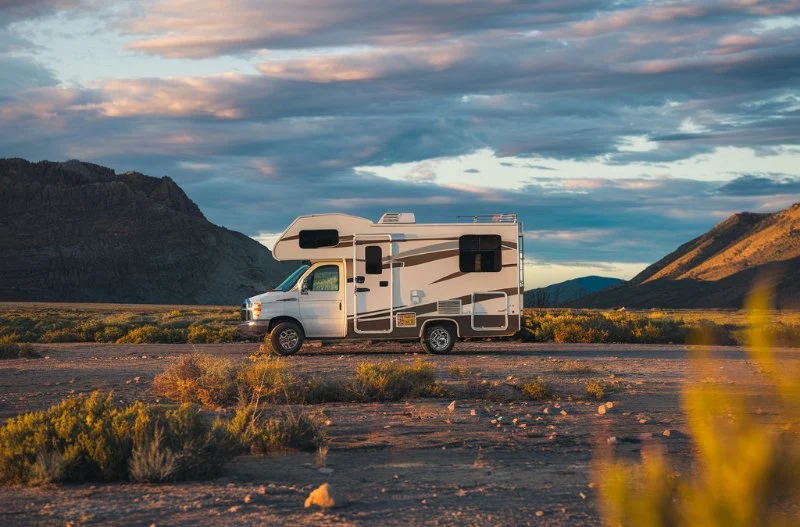
1. Why Connection Matters While Boondocking
For many people, boondocking is all about escaping into nature, enjoying solitude, and getting away from the hustle and bustle of modern life. However, in today’s world, staying connected—whether for work, safety, or simply keeping in touch with loved ones—is increasingly important, even when off the grid. Whether you're out camping, RVing, or just seeking a remote getaway, understanding how to get internet and cell phone signal while boondocking can help you maintain those important connections.
vbnetCopy codeStaying in Touch for Safety
Having a reliable connection can be essential in emergencies. While boondocking in remote areas, cell phone signal can help you stay in touch with emergency services if needed. Furthermore, it allows you to inform family and friends of your whereabouts for safety purposes.
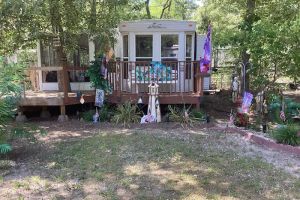
Sleepy Hollow Campground
Egg Harbor TownshipAtlantic CountyNew Jersey
132 Bevis Mill Rd, Egg Harbor Township, NJ 08234, USA
Maintaining Work-Life Balance
For those working remotely or needing to check in with work, boondocking with internet and cell service can be essential for productivity. While many people disconnect from their devices on vacation, some prefer or need to stay connected while enjoying nature.

Milltown Landing Campsite
BrandywinePrince George's CountyMaryland
17403 Milltown Landing Rd, Brandywine, MD 20613, USA
2. What Is Boondocking and Why It Can Affect Signal
Boondocking refers to camping or RVing without the conveniences of hook-ups, such as water, electricity, and sewer. While it offers the freedom to camp in remote and scenic areas, it can also present challenges when it comes to staying connected. Many remote locations lack the infrastructure needed for strong cell phone or internet service, which can leave you struggling to get a signal.
Challenges of Boondocking
The biggest challenge with boondocking is the lack of infrastructure. Remote areas often don’t have access to the same network towers as more populated locations, meaning the signal can be weak or even non-existent. Additionally, natural obstacles like mountains and dense forests can interfere with signals, making it harder to stay connected.
3. How to Get Cell Phone Signal While Boondocking
While getting a cell phone signal while boondocking can be tricky, there are several ways to improve your chances of staying connected, even in remote areas.
1. Choose the Right Carrier
Not all cell phone carriers are created equal when it comes to coverage. Before heading out, research which providers have the best service in the area you plan to camp in. Some carriers, like Verizon and AT&T, offer better coverage in rural and remote areas, while others may struggle.
2. Use a Signal Booster
A cell phone signal booster is one of the most effective tools for increasing your signal strength. These devices amplify weak signals from nearby cell towers, improving your ability to make calls and access data even in remote areas. Signal boosters can be installed on your vehicle or used with a portable antenna for more flexibility.
3. Find Higher Ground
If you’re struggling with a weak signal, try moving to higher ground. Cell signals travel better when you're on higher terrain, away from obstacles like mountains or dense trees. A little elevation can make a significant difference in the strength of your connection.
4. Best Internet Solutions for Boondocking
Getting reliable internet while boondocking requires some creativity. While traditional Wi-Fi and broadband may not be available, several internet options can help you stay connected while on the go.
1. Mobile Hotspot
A mobile hotspot is one of the most popular solutions for internet access while boondocking. Using a device like a MiFi or a dedicated mobile hotspot, you can share your cell phone’s data connection with your laptop, tablet, or other devices. Just be sure to check the coverage area of your carrier before relying on this solution, as service can be spotty in remote areas.
2. Satellite Internet
For those who venture far off the beaten path, satellite internet might be the best option. Satellite internet doesn’t rely on cellular towers, so it can provide coverage even in the most remote locations. Services like Starlink offer high-speed internet via satellite, perfect for RVers or campers who need internet access no matter where they are.
3. Public Wi-Fi
If you’re camping near a small town or popular campsite, you might be able to find public Wi-Fi available at local businesses or public areas. It’s worth checking ahead of time to see if there are nearby locations that offer free internet access. Just be aware that public Wi-Fi can be less secure, so be cautious when using it for sensitive activities.
5. How to Boost Your Signal When Boondocking
Even with the right tools, you might need to boost your signal to get the best connection possible while boondocking. Here are some tips for maximizing your internet and cell phone signal:
1. Use a Signal Booster for Wi-Fi
If you're relying on public Wi-Fi or a weak cellular signal, a Wi-Fi extender can boost your reception. These devices can amplify Wi-Fi signals from distant sources, allowing you to stay connected from further away.
2. Avoid Interference
Electronics, weather conditions, and even physical obstructions like trees can interfere with your signal. Try to set up your equipment away from large metal structures or thick walls, and check your surroundings to minimize any potential signal disruptions.
3. Use a Directional Antenna
If you're using a mobile hotspot or satellite connection, a directional antenna can help focus the signal in the right direction, improving your overall speed and connection strength.
6. Real-Life Experiences and Tips for Staying Connected
One camper shared their experience of using a signal booster while boondocking in the mountains of Colorado. They were able to get reliable cell service and internet access even in a remote, forested area. Another boondocker shared how using a satellite dish for internet access allowed them to stay connected while traveling across the country, even in areas with no cell service.
If you’re planning a boondocking trip and want to ensure you stay connected, make sure you do some research beforehand to find the best signal options for your specific location. Using a combination of the tips above, you can enjoy the best of both worlds—connecting with nature while still staying in touch with the world.
For all your boondocking needs, check out Camping Cabins for a wide range of products and services to enhance your experience and keep you connected while you explore the great outdoors!


 East Hampton Village Manufactured Home Community4.0 (49 reviews)
 Wading Pines Camping Resort4.0 (435 reviews)
 Terry's Mobile Home Park3.0 (137 reviews)
 Delaware Seashore State Park North Campground4.0 (168 reviews)
 Marsden Tract Group Campground4.0 (38 reviews)
 Thousand Trails Chestnut Lake4.0 (299 reviews)
 Why Winter is the Best Time for a Camping Cabin Getaway
 Best Remote Camping Cabins for Stargazing and Night Adventures in the U.S.
 The 10 Must-Have Amenities for a Comfortable Stay in Your Camping Cabin
 Winter Camping Cabins: How to Stay Cozy and Warm in the Cold
 How to Create the Ultimate Outdoor Experience with a Camping Cabin
 Best Camping Cabins with Stunning Views of National Parks and Forests