
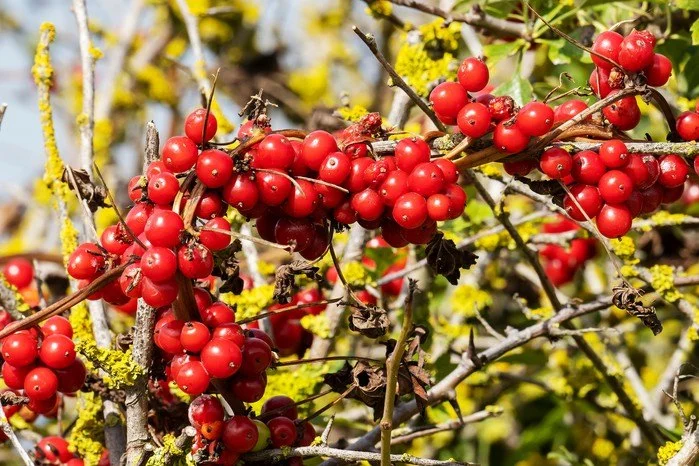
1. The Basics of Foraging for Edible Berries and Plants
Foraging for edible berries and plants is a rewarding activity that connects us with nature and provides a sustainable way to gather food. However, while it can be exciting, it’s essential to be cautious. Many plants and berries look similar to edible varieties but can be poisonous. Knowing how to identify the difference between safe and dangerous plants is crucial for anyone interested in foraging. In this article, we’ll guide you through how to identify edible berries and plants while avoiding poisonous ones.
pgsql复制代码2. How to Identify Edible Plants and Berries
Identifying edible plants and berries can seem daunting at first, but with some basic knowledge and attention to detail, anyone can learn how to forage safely. Here’s a step-by-step approach to identifying edible plants and berries:

Beechwood
KillingworthLower Connecticut River Valley Planning RegionConnecticut
6 Beechwood Dr, Killingworth, CT 06419, USA
2.1 Learn Key Identification Features
Start by learning the key features of the plants and berries you’re interested in. This includes observing the color, shape, size, and texture of the leaves, stems, and berries. The more details you can gather, the easier it will be to differentiate between edible and poisonous varieties. Consider investing in a field guide or using foraging apps to help with plant identification.

2.2 Cross-Reference with Trusted Sources
Before consuming any plant or berry, make sure to cross-reference your findings with trusted sources. This can include foraging books, reliable websites, or even local experts in edible plants. Never rely on a single source of information when identifying plants—multiple confirmations are crucial to safety.
2.3 Use the "One Bite Rule" with Caution
While some foragers follow the "one bite rule" (trying a small amount of a new food to test for adverse reactions), this method can be risky. It’s better to start by identifying plants that are known to be safe and avoid experimenting with potentially harmful species until you’re more experienced.
3. Common Edible Berries You Can Forage
When it comes to foraging for berries, there are many delicious and nutritious options available. Here are a few common edible berries you might encounter in the wild:
3.1 Blueberries
Blueberries are easy to spot with their small, round, and blue or purple berries. They grow in clusters on shrubs and thrive in acidic soil. Blueberries are rich in antioxidants and make a great addition to any foraged meal or snack.
3.2 Blackberries
Blackberries are another popular berry for foragers. They grow on thorny bushes with dark purple to black berries. They are sweet and tangy, and can be eaten raw or used in various recipes like jams and pies.
3.3 Raspberries
Raspberries, similar to blackberries, grow on bushes and come in a variety of colors, such as red, black, and golden. Raspberries are packed with vitamins and antioxidants, making them a delicious and healthy foraged treat.
3.4 Mulberries
Mulberries are often found growing on trees, and their berries can range in color from red to purple to black. They are sweet and juicy, perfect for snacking or making preserves.
4. Dangerous Plants to Avoid While Foraging
While there are plenty of edible plants and berries to forage, it’s equally important to know which ones are dangerous. Here are a few poisonous plants that can be easily mistaken for edible varieties:
4.1 Poison Ivy
Poison ivy is easily identifiable by its three leaflets, often with a glossy surface. It causes severe skin irritation upon contact and should be avoided at all costs. The saying "leaves of three, let it be" can help you remember to stay away from this plant.
4.2 Deadly Nightshade
Deadly nightshade, or belladonna, is a highly toxic plant with small, round berries that can look similar to edible berries. Its berries are shiny and black, and although it may look appealing, consuming any part of this plant can be deadly.
4.3 Hemlock
Hemlock is another poisonous plant that can resemble some edible herbs. It has fern-like leaves and small white flowers. Consuming even small amounts of hemlock can be fatal, so it’s crucial to learn how to differentiate it from safe plants.
5. Real-Life Case Study: Safe Foraging in the Wild
Take the example of John, an experienced forager who decided to teach his family about the art of foraging during their camping trip in the Canadian wilderness. After teaching his children how to properly identify safe plants, they gathered wild blueberries and raspberries for a delicious dessert. Unfortunately, they almost picked a few poisonous berries by mistake, but thanks to John’s knowledge, they were able to avoid a dangerous situation. John’s story highlights the importance of proper education and preparation when foraging for food in the wild.
6. Tips for Safe Foraging and Avoiding Mistakes
Foraging can be an enriching experience, but safety should always come first. Here are some additional tips to ensure you’re foraging safely:
6.1 Always Carry a Field Guide
Carrying a foraging field guide or using foraging apps can help you identify plants and berries on the go. Make sure to choose a guide that is specific to your region to get accurate information.
6.2 Join Foraging Groups
Consider joining a local foraging group or taking a guided tour with an expert. This way, you’ll learn from experienced foragers who can teach you how to safely identify plants and avoid poisonous varieties.
6.3 Start Small
If you’re new to foraging, start with a few easy-to-identify plants and gradually expand your knowledge. Familiarize yourself with plants that are common in your area and always double-check your findings before consuming anything.
7. Conclusion: Mastering the Art of Foraging
Foraging for edible berries and plants can be a fun and rewarding activity, but it requires careful attention and knowledge. By learning how to properly identify edible plants and berries and avoiding poisonous ones, you can safely enjoy nature’s bounty. Always remember to carry a guide, ask for help from experts, and take your time to ensure that the plants you gather are safe to eat.
If you’re planning a camping trip or foraging adventure, visit Camping Cabins to find the perfect gear and supplies for your journey into nature.





 Cabins at Camp Margaritaville RV Resort Lanier Islands4.0 (7 reviews)
 Fairchild Heights Inc3.0 (19 reviews)
 Maplewood Village3.0 (30 reviews)
 Mountain Top Mobile Home Park3.0 (24 reviews)
 Urban Acres4.0 (18 reviews)
 Grove Beach4.0 (6 reviews)
 Why Winter is the Best Time for a Camping Cabin Getaway
 Best Remote Camping Cabins for Stargazing and Night Adventures in the U.S.
 The 10 Must-Have Amenities for a Comfortable Stay in Your Camping Cabin
 Winter Camping Cabins: How to Stay Cozy and Warm in the Cold
 How to Create the Ultimate Outdoor Experience with a Camping Cabin
 Best Camping Cabins with Stunning Views of National Parks and Forests