
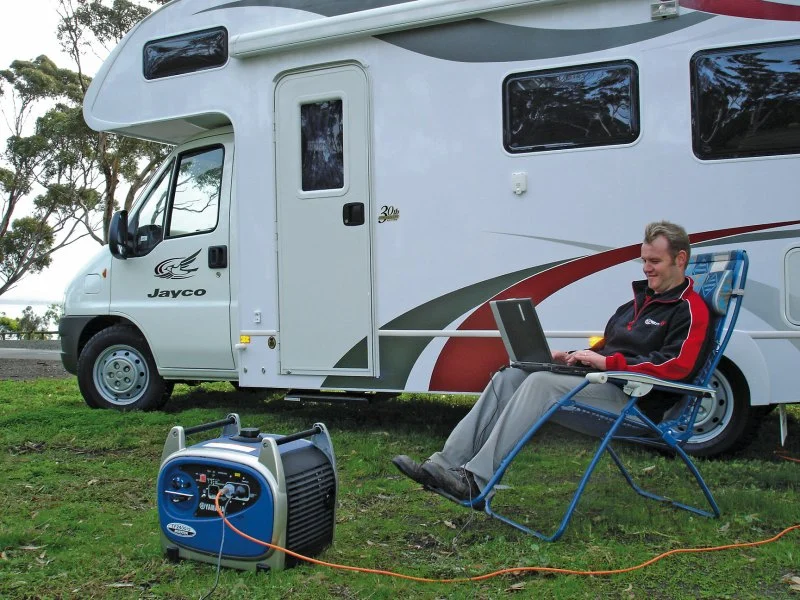
- Understanding RV Camping with a Generator
- The Importance of Good Neighbor Etiquette
- Tips for Controlling Generator Noise
- Choosing the Right Generator for Your RV
- Alternatives to Generator Use for a Quieter Experience
1. Understanding RV Camping with a Generator
Camping in an RV with a generator is a popular choice for those seeking flexibility and comfort while exploring the outdoors. Generators allow you to power your RV’s appliances, lights, and other essentials, making it possible to camp in remote locations where hookups are not available. However, using a generator can create noise, and it’s important to understand how to use it responsibly to maintain harmony with fellow campers.
While generators are incredibly useful, being considerate of your neighbors is a key component of a great camping experience. It’s essential to follow proper RV camping etiquette to ensure everyone enjoys their time outdoors.
2. The Importance of Good Neighbor Etiquette
Being a good neighbor while camping in an RV is about respect and consideration. The camping community thrives on mutual respect, and when you’re parked close to others, it’s essential to be mindful of how your actions might affect them. RV parks and campgrounds are often designed to be shared spaces, and keeping the peace can help everyone have a more enjoyable experience.
Good neighbor etiquette extends beyond just noise control. It includes maintaining cleanliness, respecting quiet hours, and ensuring that your generator’s exhaust doesn’t negatively impact your surroundings. The key is to balance your needs with the needs of those around you, especially when using a generator that might otherwise disrupt the peaceful ambiance of the campsite.
3. Tips for Controlling Generator Noise
One of the biggest concerns when camping with a generator is the noise it generates. Fortunately, there are several ways to minimize the noise and ensure your generator doesn’t disturb fellow campers:
- Choose a Quiet Generator: Some generators are specifically designed to operate quietly. Look for models labeled as “quiet” or “super-silent” to reduce the noise. Many of these models are designed for RV camping and can operate at much lower decibel levels compared to traditional generators.
- Use Soundproofing Techniques: If your generator doesn’t come with noise-reducing features, you can improve its sound insulation. Consider placing it on a soundproof mat or building a makeshift enclosure using materials designed to absorb noise. Be sure the generator has proper ventilation and is not obstructed while being insulated.
- Position Your Generator Wisely: Position your generator away from your neighbors’ RVs and tents. If possible, place it in an area where the sound will be less intrusive, such as behind your RV or in a sheltered spot where the noise won’t travel as far.
- Run Your Generator During Daylight Hours: Many campgrounds have designated quiet hours, typically in the evening and early morning. To be a good neighbor, try to run your generator only during acceptable hours—usually during the day—and avoid using it at night when campers are resting.
4. Choosing the Right Generator for Your RV
When selecting a generator for your RV, consider factors such as power output, noise levels, and portability. Here’s a breakdown of key considerations when choosing the right generator for your needs:
- Power Needs: Make sure the generator has enough power to meet your RV’s electrical requirements. Look at the wattage rating of your appliances and devices to determine how much power you’ll need. It’s often best to opt for a generator with a slightly higher wattage than your total needs.
- Noise Levels: As mentioned earlier, noise is a key factor in being a good neighbor. Look for generators that are specifically designed to operate quietly, typically around 50-60 decibels. The lower the decibel level, the less intrusive the sound.
- Portability: If you plan to move your generator frequently, look for a lightweight and portable model. Some generators come with wheels or handles to make transportation easier, which can be particularly helpful when camping in remote areas.
- Fuel Type: Consider the fuel efficiency and type of fuel your generator uses. Common fuel types include gasoline, propane, and diesel. Each has its advantages and disadvantages, so think about what will work best for your travel plans.
5. Alternatives to Generator Use for a Quieter Experience
If you’re looking for a quieter camping experience without relying on a generator, there are several alternatives to consider:
- Solar Power: Solar panels are an excellent alternative to generators for powering your RV’s lights, appliances, and electronics. While solar power may not completely replace a generator, it can significantly reduce your reliance on noisy fuel-powered options.
- Battery-Powered Devices: Many RV appliances, such as lights, fans, and small refrigerators, now come in battery-powered models. This can reduce the need for a generator entirely and keep your camping experience peaceful.
- Campground Amenities: Many RV parks offer electrical hookups, so if you’re staying in a park, you may not need a generator at all. Always check the campground’s amenities before you arrive to determine if you’ll need to bring a generator or if you can plug into their system.
Exploring these alternatives can help you enjoy a quieter, more environmentally friendly camping experience, without the noise of a traditional generator.
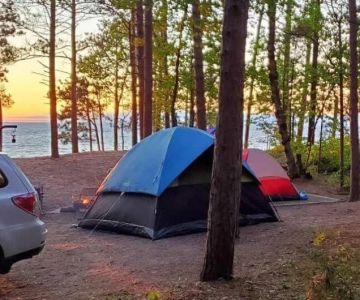

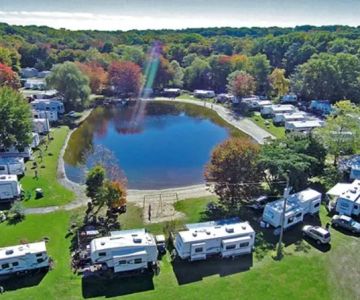
 Tall Pines Campground Resort4.0 (484 reviews)
 Steve's Mobile Home Park-Sales4.0 (23 reviews)
 Laux Lakeview Park4.0 (49 reviews)
 Lil Wolf3.0 (202 reviews)
 Frederick Lodge Manufactured Home Community3.0 (36 reviews)
 Campsite J410.0 (0 reviews)
 Why Winter is the Best Time for a Camping Cabin Getaway
 Best Remote Camping Cabins for Stargazing and Night Adventures in the U.S.
 The 10 Must-Have Amenities for a Comfortable Stay in Your Camping Cabin
 Winter Camping Cabins: How to Stay Cozy and Warm in the Cold
 How to Create the Ultimate Outdoor Experience with a Camping Cabin
 Best Camping Cabins with Stunning Views of National Parks and Forests