
- understanding-bad-weather-camping-challenges
- choosing-the-right-shelter-and-location
- essential-gear-for-comfort-in-bad-weather
- staying-warm-and-dry-throughout-the-trip
- food-and-cooking-strategies-in-harsh-conditions
- real-life-story-rainy-camping-experience
- mental-preparation-and-safety-tips
Understanding Bad Weather Camping Challenges
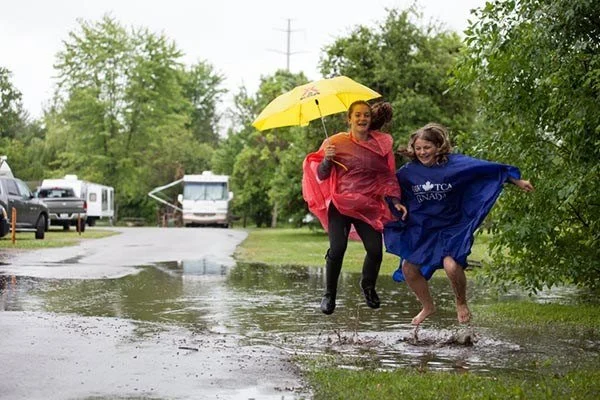
Camping is often associated with sunshine, clear skies, and peaceful nights under the stars. But the reality is that weather can be unpredictable, especially across many parts of the United States. Rainstorms, strong winds, and unexpected temperature drops can quickly turn a relaxing trip into a stressful experience.
Knowing how to make your camping trip more comfortable in bad weather starts with understanding these challenges. Wet gear, cold temperatures, and muddy terrain are not just inconvenient—they can impact your safety and enjoyment if you’re not prepared properly.
Choosing the Right Shelter and Location
Your comfort during bad weather begins long before you arrive at the campsite. It starts with choosing the right location and setting up proper shelter.
1. Pick Elevated Ground
Avoid low-lying areas where water can collect. Even a light rain can turn a flat campsite into a puddle. Slightly elevated ground helps water drain away from your tent.
2. Invest in a High-Quality Tent
A waterproof tent with a durable rainfly is essential. Look for tents with sealed seams and a strong frame that can withstand wind. A vestibule area can also help keep muddy shoes and wet gear outside your sleeping space.
3. Use a Ground Tarp
Placing a tarp under your tent adds an extra layer of protection against moisture. It prevents water from seeping through the tent floor and keeps your sleeping area dry.
Essential Gear for Comfort in Bad Weather
Having the right gear can make the difference between a miserable trip and an enjoyable adventure.
1. Waterproof Clothing Layers
Layering is key. Start with moisture-wicking base layers, add insulating layers like fleece, and finish with a waterproof outer shell. This combination keeps you warm while preventing sweat buildup.
2. Insulated Sleeping System
A high-quality sleeping bag rated for lower temperatures than expected is crucial. Pair it with an insulated sleeping pad to prevent heat loss from the ground.
3. Portable Shelter Add-ons
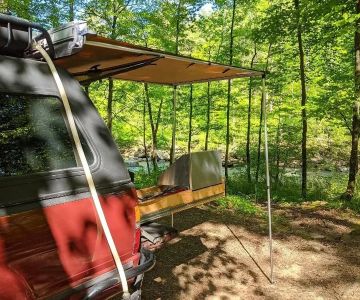
Consider bringing a tarp or canopy to create a dry communal area. This gives you space to cook, relax, or organize gear without staying inside the tent all day.
Staying Warm and Dry Throughout the Trip
Once you’re at the campsite, maintaining warmth and dryness becomes your top priority.
1. Keep Clothes Dry at All Times
Always pack extra clothing in waterproof bags. Changing into dry clothes after getting wet can dramatically improve your comfort and prevent illness.
2. Ventilate Your Tent
It might seem counterintuitive, but proper ventilation reduces condensation inside the tent. Moisture buildup can make everything feel damp even if it’s not raining.
3. Use Heat Sources Safely
Hand warmers, thermal blankets, and safe camping heaters can help maintain warmth. Always follow safety guidelines to avoid hazards.
Food and Cooking Strategies in Harsh Conditions
Food plays a huge role in staying comfortable during bad weather camping.
1. Choose Easy-to-Cook Meals
Opt for meals that require minimal preparation. One-pot dishes and pre-prepped ingredients reduce the time spent cooking in the cold or rain.
2. Bring Warm Drinks
Hot beverages like coffee, tea, or soup can boost morale and help regulate body temperature during chilly conditions.
3. Protect Cooking Equipment
Keep your stove and fuel dry by storing them in waterproof containers. A small tarp setup can serve as a makeshift outdoor kitchen.
Real-Life Story: Rainy Camping Experience
A family camping in the Pacific Northwest once faced three straight days of rain during their trip. Instead of packing up early, they adapted. They set up an extra tarp between trees, creating a dry hangout space. They rotated dry clothes carefully and focused on simple, warm meals.
By the end of the trip, what started as a disappointing forecast turned into one of their most memorable adventures. Their experience shows that preparation and mindset can transform even the worst weather into something enjoyable.
Mental Preparation and Safety Tips
Comfort in bad weather isn’t just physical—it’s mental too. Staying positive and flexible can greatly improve your experience.
1. Adjust Expectations
Bad weather changes your plans, and that’s okay. Focus on smaller moments, like listening to rain on the tent or enjoying a warm meal.
2. Monitor Weather Updates
Stay informed about weather conditions using a reliable app or radio. This helps you prepare for sudden changes and stay safe.
3. Know When to Pack Up
If conditions become dangerous, such as severe storms or flooding, it’s always better to prioritize safety and leave early.
If you’re planning your next outdoor adventure and want a more comfortable experience regardless of weather, explore options from Camping Cabins to find gear, shelters, and services designed for all conditions.



 Back Country Camping-Tingles Island Campground5.0 (1 reviews)
 Travel Camp4.0 (187 reviews)
 Deep Branch Family Campground4.0 (170 reviews)
 Woodlands Camping Resort4.0 (208 reviews)
 Big Oaks Campground4.0 (538 reviews)
 Nomoco Activity Area4.0 (19 reviews)
 Why Winter is the Best Time for a Camping Cabin Getaway
 Best Remote Camping Cabins for Stargazing and Night Adventures in the U.S.
 The 10 Must-Have Amenities for a Comfortable Stay in Your Camping Cabin
 Winter Camping Cabins: How to Stay Cozy and Warm in the Cold
 Best Camping Cabins with Stunning Views of National Parks and Forests
 How to Create the Ultimate Outdoor Experience with a Camping Cabin