
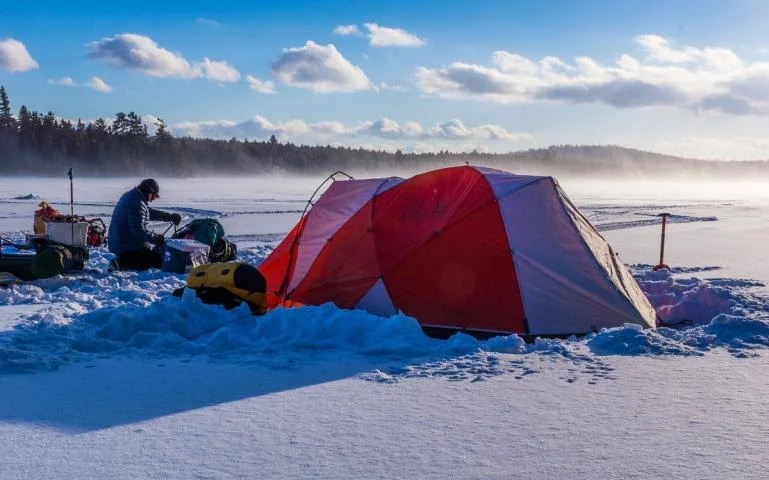
- understanding-winter-cabin-camping-basics - Understanding Winter Cabin Camping Basics
- packing-smart-essential-gear-and-clothing - Packing Smart: Essential Gear and Clothing
- staying-warm-inside-the-cabin - Staying Warm Inside the Cabin
- planning-meals-for-cold-weather - Planning Meals for Cold Weather
- safety-considerations-you-shouldnt-ignore - Safety Considerations You Shouldn't Ignore
- real-experiences-from-first-time-winter-campers - Real Experiences from First-Time Winter Campers
- find-the-perfect-winter-cabin-retreat - Find the Perfect Winter Cabin Retreat
1. Understanding Winter Cabin Camping Basics
Winter camping in a cabin is a vastly different experience compared to summer camping. For first-timers, it’s essential to understand that while cabins offer shelter from wind and snow, they still require preparation. Most winter cabins are heated but not insulated to residential standards. Some may be off-grid or require hiking in, especially in national forests.
Unlike tent camping, cabin stays offer amenities like beds, wood stoves, and sometimes even small kitchens. But don't let that fool you—nature still rules, and you must respect the winter environment.

2. Packing Smart: Essential Gear and Clothing
2.1 Layering for Warmth and Mobility
The key to comfort is layering. Start with moisture-wicking base layers, followed by insulation (like down or fleece), and finish with a waterproof shell. Don't forget wool socks, insulated boots, gloves, and a warm hat. Even inside a cabin, temperatures can fluctuate at night.

Camp Fellowship - Chestnut House
EveshamBurlington CountyNew Jersey
290 Chestnut Ave, Marlton, NJ 08053, USA
2.2 Cabin-Ready Equipment Checklist
Even if your cabin has power, bring essentials like headlamps, extra batteries, a small first-aid kit, and backup food. A thermos and collapsible water jug are underrated heroes. And if the cabin requires firewood or kindling, plan ahead—it’s not fun gathering it in deep snow.
3. Staying Warm Inside the Cabin
3.1 Fire Management Tips
If your cabin has a wood stove, make sure you know how to safely operate it. Keep the fire going before bed, but never overload it. Pro tip: bring a portable carbon monoxide detector if one isn't already installed.
3.2 Personal Heating Hacks
Use hot water bottles inside your sleeping bag for added warmth. Consider wool blankets in addition to sleeping bags. Some experienced campers even recommend using reflective blankets on cabin windows for extra insulation.
4. Planning Meals for Cold Weather
4.1 High-Calorie, Low-Fuss Foods
Your body burns more calories staying warm, so hearty meals are a must. Think chili, stews, oatmeal, and hot drinks. Freeze-dried meals with a reliable stove or cabin kitchenette can also work well. Pre-chopping and storing ingredients in labeled zip bags will save effort and dishes.
4.2 Keeping Food Safe
In subzero temps, items can freeze unexpectedly—even inside the cabin. Store perishables in insulated bags or coolers. And always secure food to prevent animals from sniffing around, especially in remote locations.
5. Safety Considerations You Shouldn't Ignore
5.1 Watch the Weather
Winter storms can change fast. Always check local forecasts and park alerts. If the cabin is remote, let someone know your plans and check for cell coverage.
5.2 Navigating Snow and Ice
If driving, make sure your vehicle is winter-ready. Keep tire chains, a shovel, and emergency blankets in your trunk. For hiking access cabins, microspikes or snowshoes may be essential. Slips and hypothermia are two of the most common risks for unprepared winter campers.
6. Real Experiences from First-Time Winter Campers
“I thought staying in a cabin would be just like renting a winter Airbnb—but it was much more adventurous,” shared Alex from Colorado. “We had to chop our own firewood, the cabin was a 20-minute hike uphill, and I’ve never appreciated hot cocoa so much in my life.”
Another guest, Maria from Vermont, described waking up to snow-covered pine branches brushing against her window: “It felt like a postcard—quiet, white, and so peaceful. It was cold, yes, but absolutely magical.”
7. Find the Perfect Winter Cabin Retreat
If you're ready to experience winter camping in a cabin for the first time, make sure to explore curated and well-reviewed options at Camping Cabins. Whether you're planning a weekend getaway in the Rockies or a forest hideaway in the Adirondacks, the right cabin can make all the difference between a challenging trip and an unforgettable adventure.


 East Hampton Village Manufactured Home Community4.0 (49 reviews)
 Wading Pines Camping Resort4.0 (435 reviews)
 Terry's Mobile Home Park3.0 (137 reviews)
 Delaware Seashore State Park North Campground4.0 (168 reviews)
 Marsden Tract Group Campground4.0 (38 reviews)
 Thousand Trails Chestnut Lake4.0 (299 reviews)
 Why Winter is the Best Time for a Camping Cabin Getaway
 Best Remote Camping Cabins for Stargazing and Night Adventures in the U.S.
 The 10 Must-Have Amenities for a Comfortable Stay in Your Camping Cabin
 Winter Camping Cabins: How to Stay Cozy and Warm in the Cold
 How to Create the Ultimate Outdoor Experience with a Camping Cabin
 Best Camping Cabins with Stunning Views of National Parks and Forests