
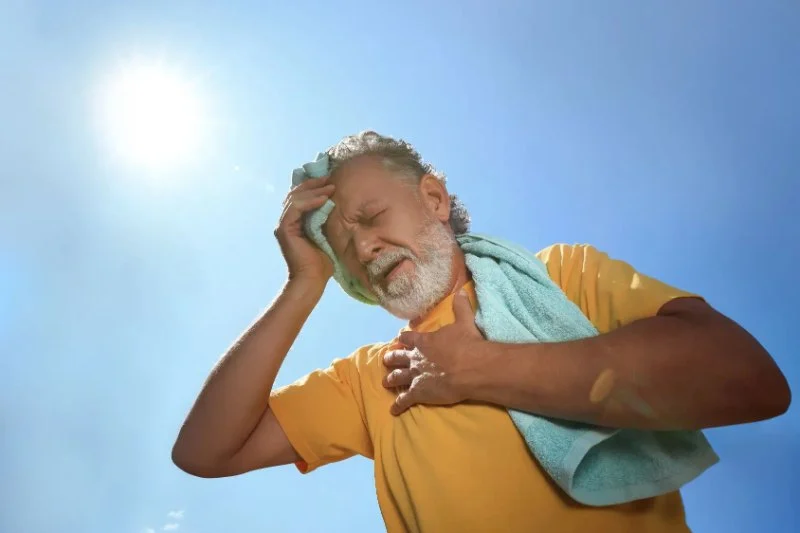
- Understanding Sunburn and Heat Exhaustion
- How to Prevent Sunburn
- How to Treat Sunburn
- How to Prevent Heat Exhaustion
- How to Treat Heat Exhaustion
1. Understanding Sunburn and Heat Exhaustion
Spending time outdoors can be refreshing and enjoyable, but exposure to the sun and heat can lead to sunburn and heat exhaustion, both of which are common health risks during outdoor activities. Understanding these conditions is crucial to preventing and addressing them effectively.
Sunburn occurs when the skin is exposed to the sun's ultraviolet (UV) rays for too long, causing damage to the skin cells. This results in redness, pain, and in severe cases, blisters. Sunburn can happen even on cloudy days, as UV rays can penetrate through clouds.
Heat exhaustion is caused by prolonged exposure to high temperatures, especially when combined with physical exertion. Symptoms include heavy sweating, weakness, dizziness, nausea, and muscle cramps. If not treated, heat exhaustion can escalate into heatstroke, a more severe and life-threatening condition.
By recognizing the symptoms and taking proactive steps, you can avoid these issues and safely enjoy outdoor activities.

2. How to Prevent Sunburn
Preventing sunburn is all about protecting your skin from harmful UV rays. Here are key steps to prevent sunburn while enjoying the outdoors:
- Use Sunscreen: Apply a broad-spectrum sunscreen with an SPF of 30 or higher to all exposed skin, even on cloudy days. Reapply every two hours and more frequently if swimming or sweating.
- Avoid Peak Sun Hours: The sun’s rays are strongest between 10 AM and 4 PM. Try to limit direct sun exposure during these hours, or seek shade when possible.
- Wear Protective Clothing: Lightweight, long-sleeved shirts, hats with wide brims, and UV-protective sunglasses can help protect your skin from UV exposure.
- Seek Shade: When you’re outside, try to stay in the shade, especially during peak sunlight hours. Natural shade from trees or a portable sunshade can reduce exposure significantly.
- Stay Hydrated: Drink plenty of water throughout the day. Dehydration can make your skin more sensitive to the sun.
By following these simple preventive measures, you can enjoy your time outdoors without putting your skin at risk.

3. How to Treat Sunburn
Even with precautions, sunburn can sometimes happen. If you do get sunburned, it’s important to take immediate action to relieve pain and promote healing. Here’s how you can treat sunburn:
- Cool the Skin: Apply a cold compress or take a cool bath to soothe the burned area. Avoid using ice directly on the skin, as it can cause further damage.
- Moisturize: After cooling the skin, apply a gentle, alcohol-free moisturizer or aloe vera gel to the sunburned area to help keep the skin hydrated and reduce redness.
- Hydrate: Drink plenty of water to help rehydrate your skin and body. Sunburn dehydrates the body, so it’s important to replace lost fluids.
- Avoid Further Sun Exposure: Stay out of the sun until your skin has fully healed. Cover up any sunburned areas if you must go outside.
- Pain Relief: If necessary, over-the-counter pain relievers like ibuprofen or aspirin can help reduce pain and inflammation. Be sure to follow the instructions on the packaging.
If the sunburn is severe, or if you develop blisters or other signs of heat injury, it’s important to consult a healthcare professional for proper treatment.
4. How to Prevent Heat Exhaustion
Heat exhaustion can occur during hot, humid conditions, especially when you’re physically active outdoors. To prevent heat exhaustion, follow these essential tips:
- Stay Hydrated: Drink plenty of water before, during, and after outdoor activities. Avoid sugary, caffeinated, or alcoholic beverages, as they can increase dehydration.
- Take Frequent Breaks: Rest in shaded or cool areas regularly to allow your body to cool down. Avoid overexertion in the heat, especially if you’re not acclimated to the conditions.
- Wear Light Clothing: Choose lightweight, light-colored, and loose-fitting clothes that allow your body to breathe. Avoid dark colors, as they absorb more heat.
- Use Cooling Products: Consider using cooling towels, fans, or sprays to help regulate your body temperature during outdoor activities.
- Monitor the Weather: Check the temperature and humidity levels before heading outside. If the heat index is too high, postpone outdoor activities or reduce their intensity.
By taking these preventive steps, you can significantly reduce the risk of heat exhaustion and stay safe while enjoying the outdoors.
5. How to Treat Heat Exhaustion
If you or someone you’re with begins showing signs of heat exhaustion—such as heavy sweating, weakness, dizziness, nausea, or muscle cramps—it’s important to act quickly to prevent the condition from worsening. Here’s how to treat heat exhaustion:
- Move to a Cooler Place: Get the affected person out of the sun and into a cool, shaded area or an air-conditioned space.
- Hydrate: Offer cool water or an electrolyte-replenishing drink to help rehydrate the person. Avoid giving sugary or caffeinated drinks, as these can worsen dehydration.
- Cool the Body: Use a cool, damp cloth or spray water on the person’s skin to help bring down their body temperature. Fans and air conditioning can also assist in cooling them down.
- Rest: Have the person rest and avoid any physical activity until they have fully recovered. If symptoms worsen or do not improve, seek medical attention immediately.
Heat exhaustion is a serious condition, but with prompt treatment, most individuals recover fully. However, if left untreated, it can develop into heatstroke, which is a life-threatening emergency.
Whether you’re out hiking, camping, or just enjoying a day at the beach, being mindful of sunburn and heat exhaustion risks is crucial. By following the prevention and treatment tips in this guide, you can ensure that your outdoor activities remain fun and safe. For the best camping gear and advice on staying safe outdoors, visit Camping Cabins for products and resources that support your adventure.


 East Hampton Village Manufactured Home Community4.0 (49 reviews)
 Wading Pines Camping Resort4.0 (435 reviews)
 Terry's Mobile Home Park3.0 (137 reviews)
 Delaware Seashore State Park North Campground4.0 (168 reviews)
 Marsden Tract Group Campground4.0 (38 reviews)
 Thousand Trails Chestnut Lake4.0 (299 reviews)
 Why Winter is the Best Time for a Camping Cabin Getaway
 Best Remote Camping Cabins for Stargazing and Night Adventures in the U.S.
 The 10 Must-Have Amenities for a Comfortable Stay in Your Camping Cabin
 Winter Camping Cabins: How to Stay Cozy and Warm in the Cold
 How to Create the Ultimate Outdoor Experience with a Camping Cabin
 Best Camping Cabins with Stunning Views of National Parks and Forests