
- -Understanding-Windy-Camping-Conditions
- -Selecting-the-Right-Campfire-Site
- -Fire-Preparation-and-Firewood-Selection
- -Building-and-Lighting-the-Campfire
- -Safety-Precautions-and-Wind-Management
- -Real-Life-Camping-Experiences
- -Camping-Cabins-Recommendations
1. Understanding Windy Camping Conditions
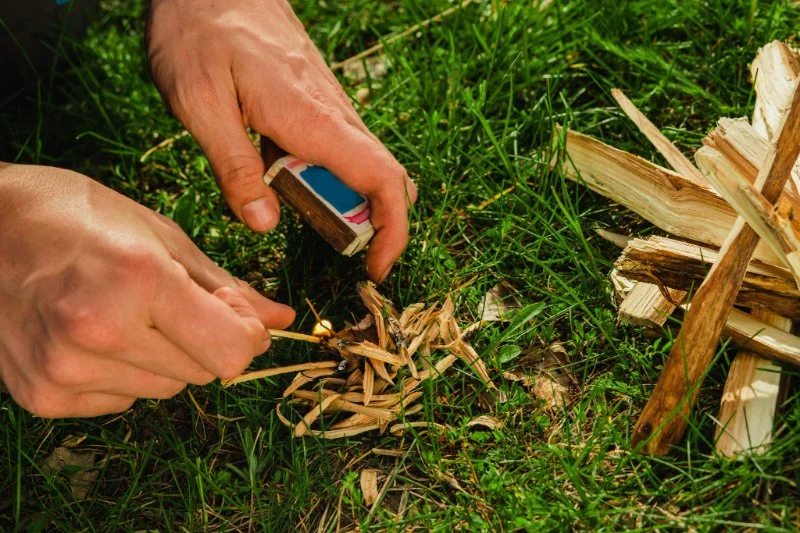
Windy conditions can make starting and maintaining a campfire challenging and potentially dangerous. Before attempting to build a fire, assess wind speed, direction, and surrounding hazards such as dry brush or overhanging trees. Understanding these factors helps prevent accidents and ensures that your campfire remains under control.
Experienced campers emphasize that preparation is key. Observing the environment and knowing how wind patterns change in your campsite can make a significant difference in fire management.

Holly Village Holly Michigan
MillvilleCumberland CountyNew Jersey
350 Silver Run Rd, Millville, NJ 08332, USA
2. Selecting the Right Campfire Site
2.1 Finding a Protected Location
Choose a site shielded from strong gusts, such as behind large rocks, low embankments, or established fire rings. Avoid open plains or areas with tall grass that could catch fire.
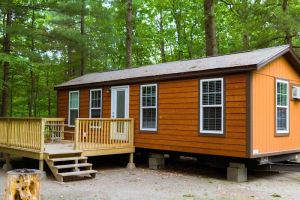
Adventure Bound Camping Resorts - Cape May
Middle TownshipCape May CountyNew Jersey
240 W Shell Bay Ave, Cape May Court House, NJ 08210, USA
2.2 Creating a Safe Fire Ring
Even in windy conditions, building a proper fire ring with stones or a metal fire pit helps contain flames and embers. Clear a wide area around the fire of debris, leaves, and flammable materials to prevent accidental spread.
3. Fire Preparation and Firewood Selection
3.1 Dry Firewood and Kindling
Wind increases the difficulty of ignition, so using dry, well-seasoned wood is crucial. Smaller kindling and tinder can help get the fire started quickly. Avoid damp or green wood, as it produces smoke and may be hard to light in windy conditions.
3.2 Wind-Resistant Arrangements
Stack wood in a teepee or lean-to formation to shield flames and allow airflow. This structure helps the fire sustain itself while reducing exposure to gusts that might extinguish it.
4. Building and Lighting the Campfire
4.1 Controlled Ignition
Use long matches or windproof lighters to ignite the fire safely. Lighting the fire from the side opposite the wind can help it catch and grow steadily. Start small, gradually adding larger logs as the flames stabilize.
4.2 Maintaining the Fire
Constant supervision is necessary in windy conditions. Adjust logs carefully and monitor ember spread to ensure the fire remains contained. Avoid leaving the fire unattended, even briefly.
5. Safety Precautions and Wind Management
5.1 Fire Extinguishing Tools
Always keep a bucket of water, sand, or a fire extinguisher nearby. Wind can carry embers, so quick access to suppression tools is essential for safety.
5.2 Clothing and Personal Safety
Wear non-flammable, snug-fitting clothing while tending the fire. Keep a safe distance and teach all campers proper fire management practices to minimize risk.
6. Real-Life Camping Experiences
A recent example from a camping group in Colorado demonstrates practical application: facing gusty winds, they selected a naturally sheltered site, built a reinforced fire ring, and used dry pine kindling stacked in a teepee formation. Their fire stayed lit throughout the evening, allowing for cooking and warmth safely. Stories like these highlight the importance of preparation, proper wood selection, and vigilant supervision.
7. Camping Cabins Recommendations
For those seeking a safer alternative while still enjoying campfire experiences, Camping Cabins offers locations with controlled fire pits and professional guidance. Their cabins provide shelter, fire safety resources, and convenient access to outdoor activities. Camping Cabins also offers gear recommendations and expert advice to ensure that your camping experience remains safe, enjoyable, and memorable even in windy conditions.


 MWR Heritage Cottages0.0 (0 reviews)
 Mullica River Campground4.0 (32 reviews)
 High Manor3.0 (38 reviews)
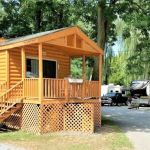 Mill Bridge Village & Camp Resort4.0 (384 reviews)
 Shiloh Valley Camping0.0 (0 reviews)
 Steve's Mobile Home Park-Sales4.0 (23 reviews)
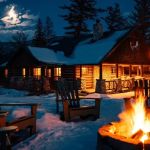 Why Winter is the Best Time for a Camping Cabin Getaway
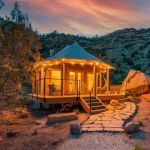 Best Remote Camping Cabins for Stargazing and Night Adventures in the U.S.
 The 10 Must-Have Amenities for a Comfortable Stay in Your Camping Cabin
 Winter Camping Cabins: How to Stay Cozy and Warm in the Cold
 How to Create the Ultimate Outdoor Experience with a Camping Cabin
 Best Camping Cabins with Stunning Views of National Parks and Forests